Most travelers assume Kyoto shuts down when temple gates latch at 17:00. In reality, night life unfolds along narrow flagstone lanes, in communal bathhouses, and over bowls of shoyu broth served past midnight. Once tour buses leave, the city drops its daytime reserve.
1. Fushimi Inari Taisha — The Torii Gate Path Without the Crowds
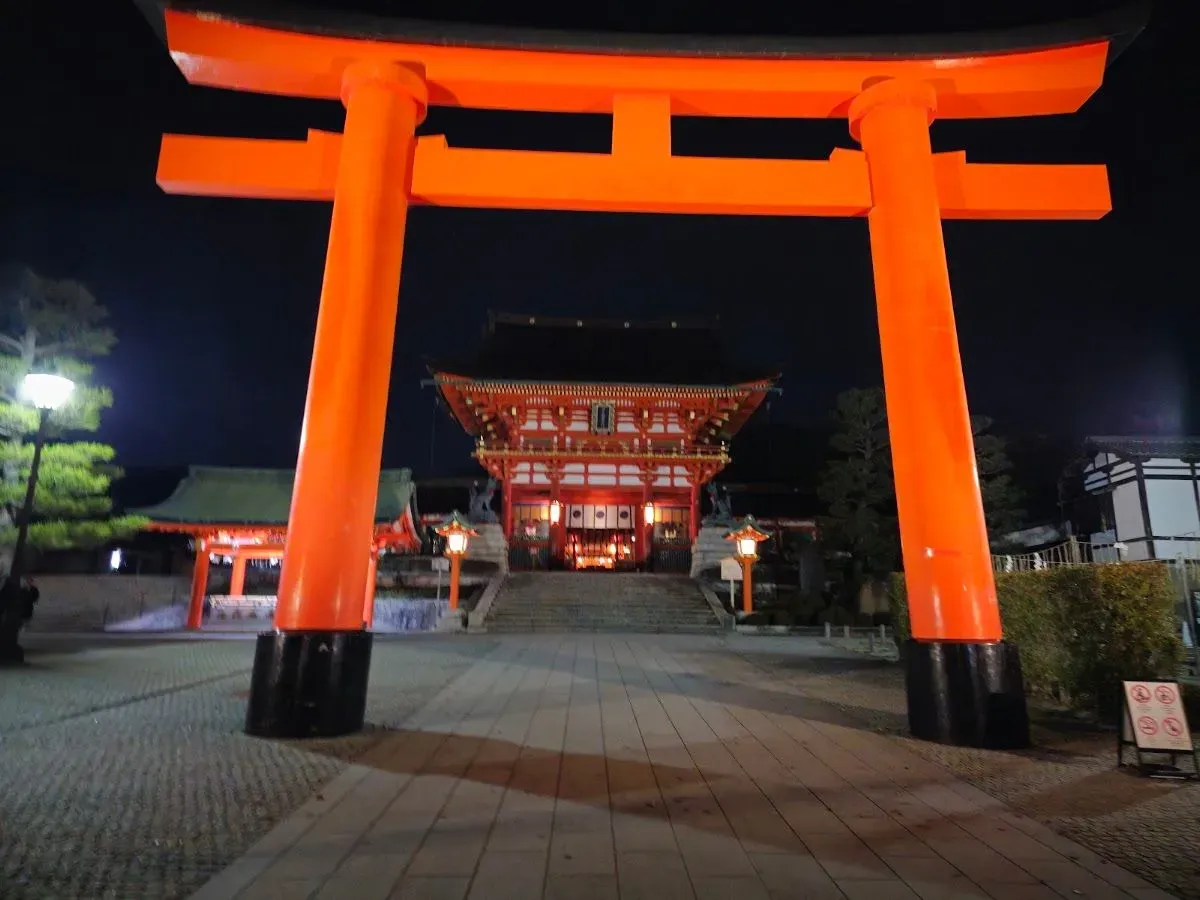
Fushimi Inari Taisha stays open 24 hours with free admission. Hike the four-kilometer mountain trail beneath thousands of vermilion torii gates at night, free of tour groups and selfie sticks. Arrive after 20:00 to tackle the first kilometer up Mount Inari in near-total solitude. Soft lanterns light the scarlet corridors, throwing sharp shadows behind stone foxes clutching granary keys. The loop to the 233-meter summit takes roughly two hours, though the Yotsutsuji intersection already offers clear night views over southern Kyoto.
2. Yasaka Shrine — Gion's Lantern-Lit Gathering Point
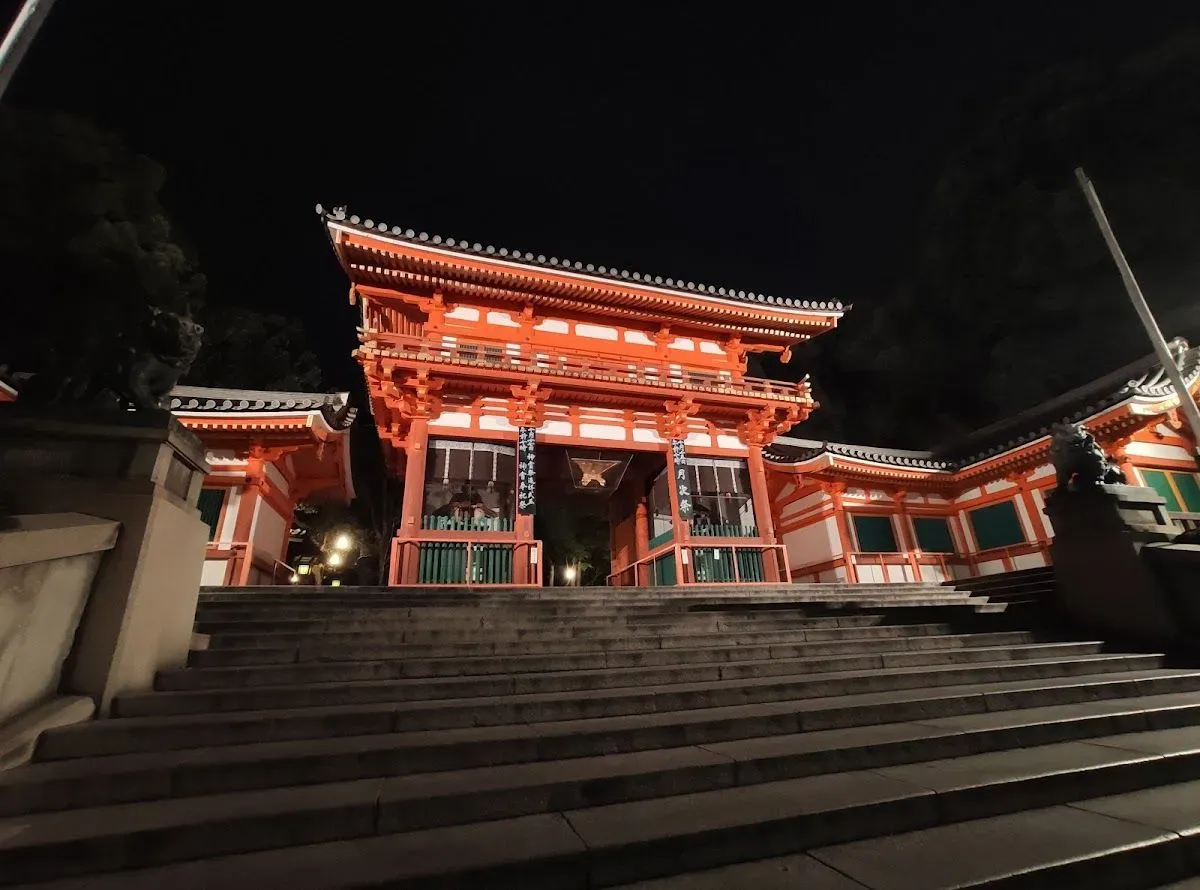
Yasaka Shrine stays open all night with free admission at the eastern foot of Shijo-dori. While Kiyomizu-dera and Ginkaku-ji lock up before dusk, Yasaka's central budoden dance stage lights hundreds of paper lanterns donated by Gion merchants, casting an amber glow over the courtyard until morning. To unpack the surrounding geisha and merchant quarters before twilight, book the Private Kyoto Introduction Tour — Gion & Historic Streets, which ends near the shrine gates.
3. Pontocho Park & Kamogawa Riverbank — Evening Riverside Gathering
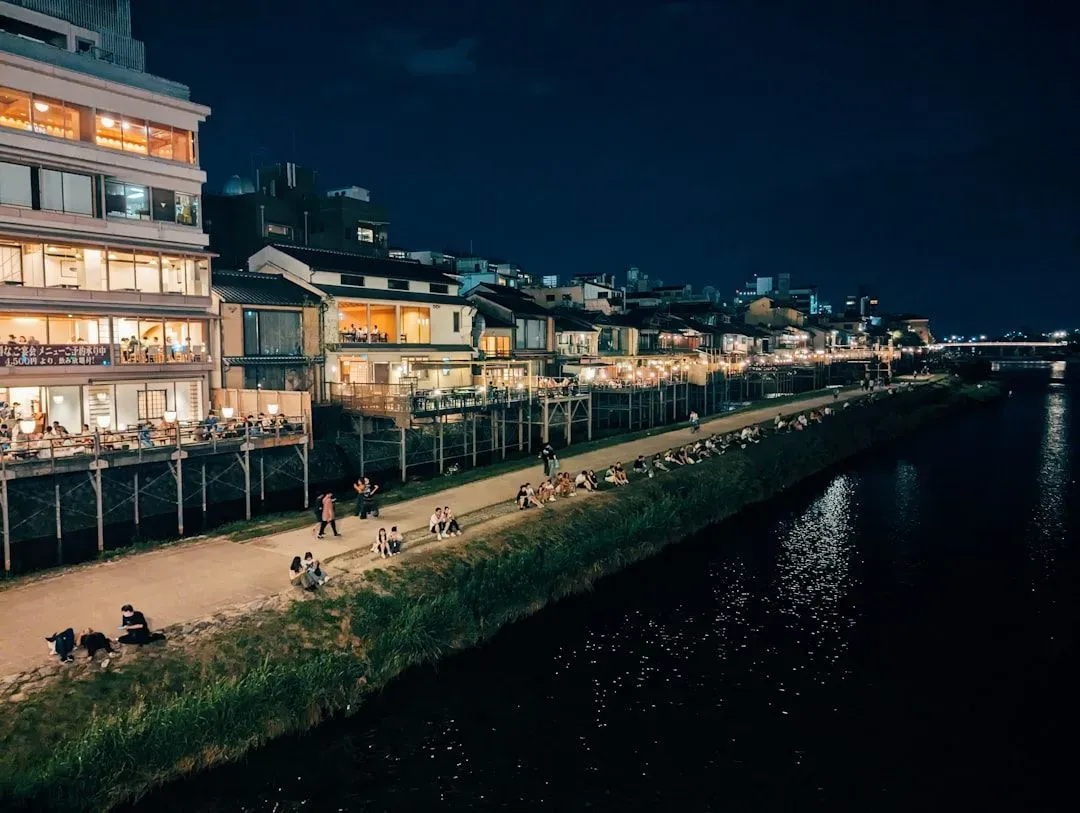
Along the Kamogawa riverbank beside Pontocho Park, locals and visitors sit in polite two-meter intervals to drink, listen to buskers, and watch the illuminated dining balconies between Sanjo and Shijo bridges. From May through September, temporary wooden terraces called kawayuka project directly over the water from Pontocho's rear kitchens. The Kyoto Walking Tour unpacks the surrounding Higashiyama temples by day, but the riverbank after dark shows the city off-duty.
4. Jazz In Rokudenashi — Deep Vinyl Listening in Kiyamachi
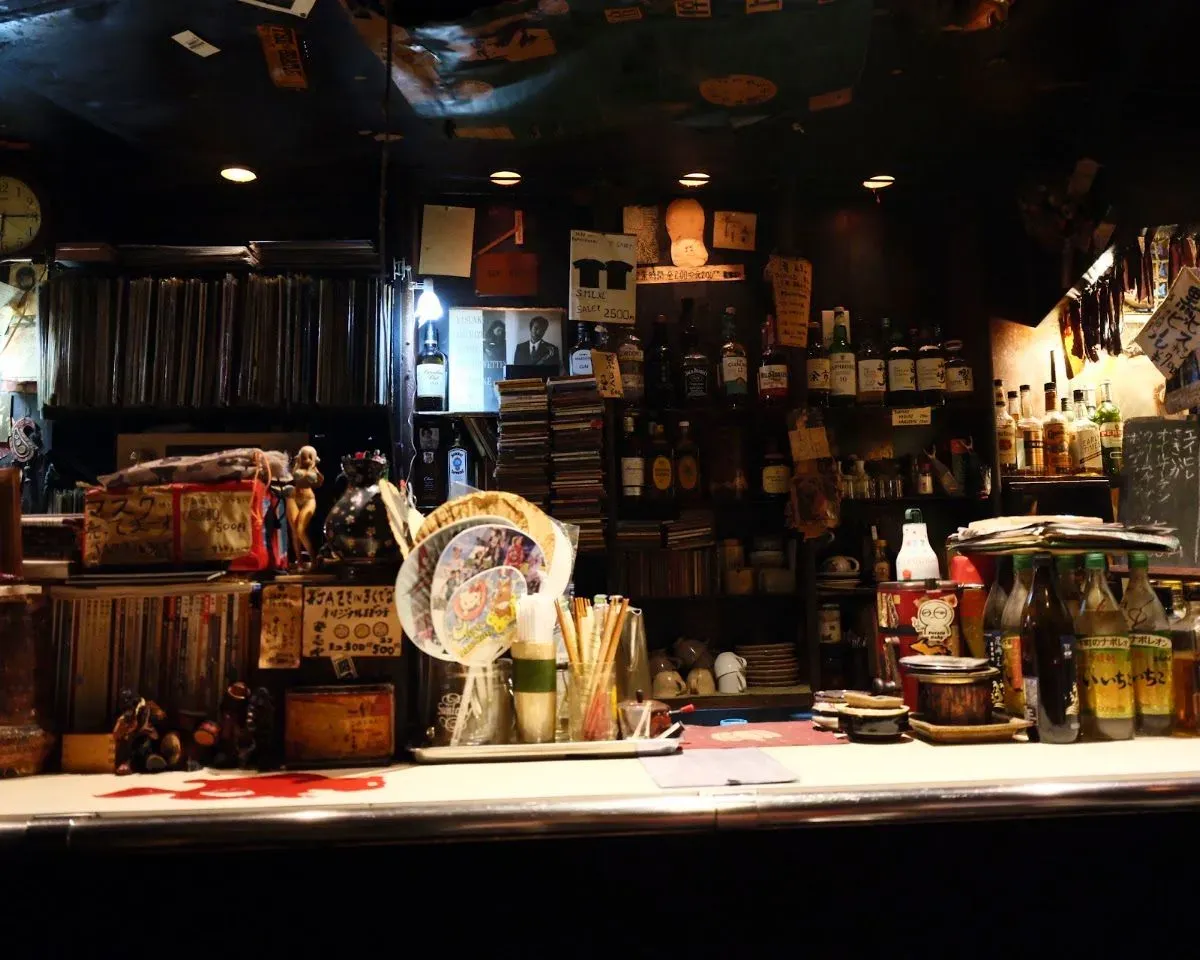
Jazz In Rokudenashi is a basement jazz kissa and bar in Kiyamachi where audiophiles drink Japanese whisky and craft highballs over rare vinyl pressings until 03:00. Down a flight of stairs off canal-side Kiyamachi-dori, thousands of records line the walls behind a mahogany bar. The master spins hard bop and cool jazz through heavy turntables and vintage tube amplifiers. Patrons keep conversation low to catch every brush stroke and bass pluck.
5. Kyoto Ramen Koji — 10th-Floor Regional Broth Alley
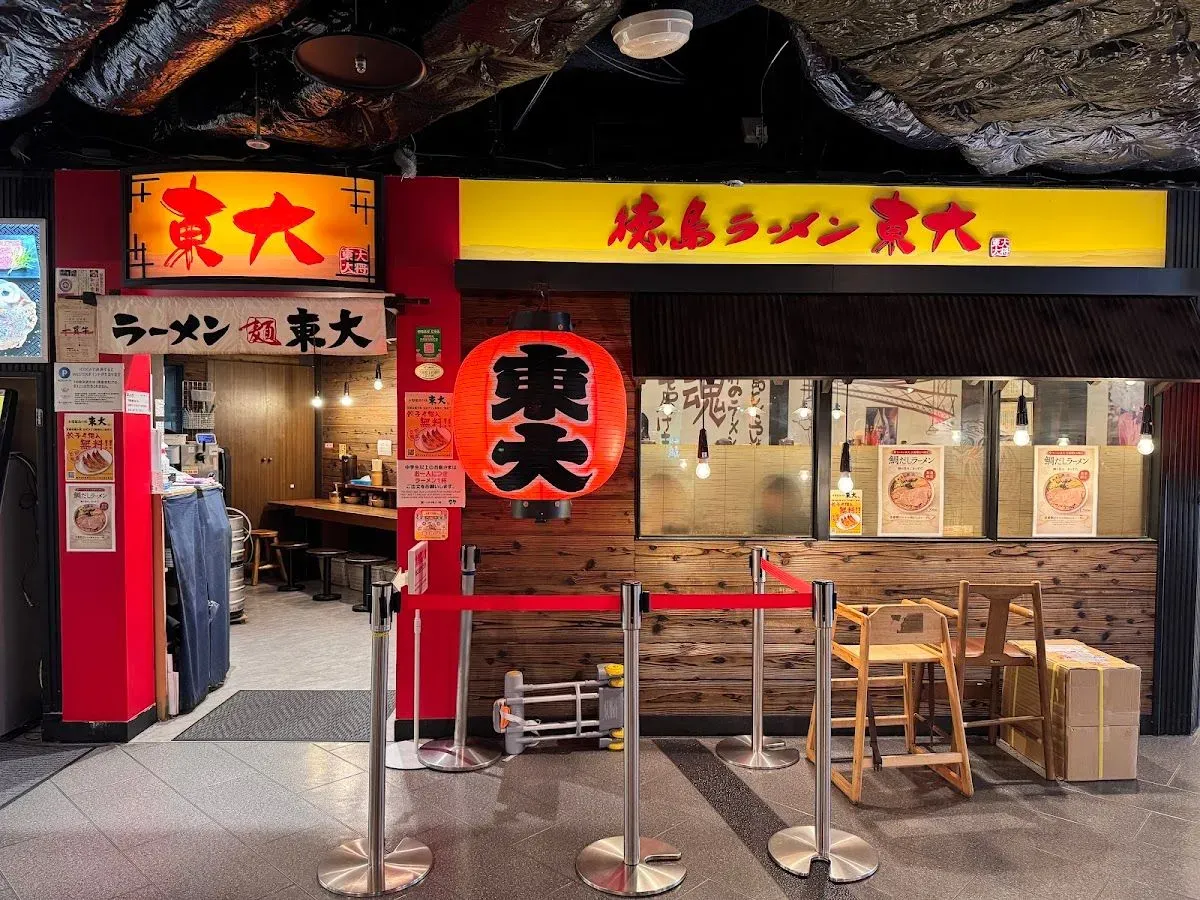
Kyoto Ramen Koji fills the 10th floor of the Kyoto Station Building with eight regional noodle shops operating ticket machines until 22:00. It brings styles from across Japan under one roof, steps from the station's rooftop sky garden. Buy a ticket from the machine outside your chosen stall, then grab an open stool. Ramen Todai is a standout, serving Tokushima-style pork-bone shoyu topped with sweet-savory simmered pork belly and a free raw egg.
6. Bar Rocking Chair — Award-Winning Cocktails by a Real Hearth
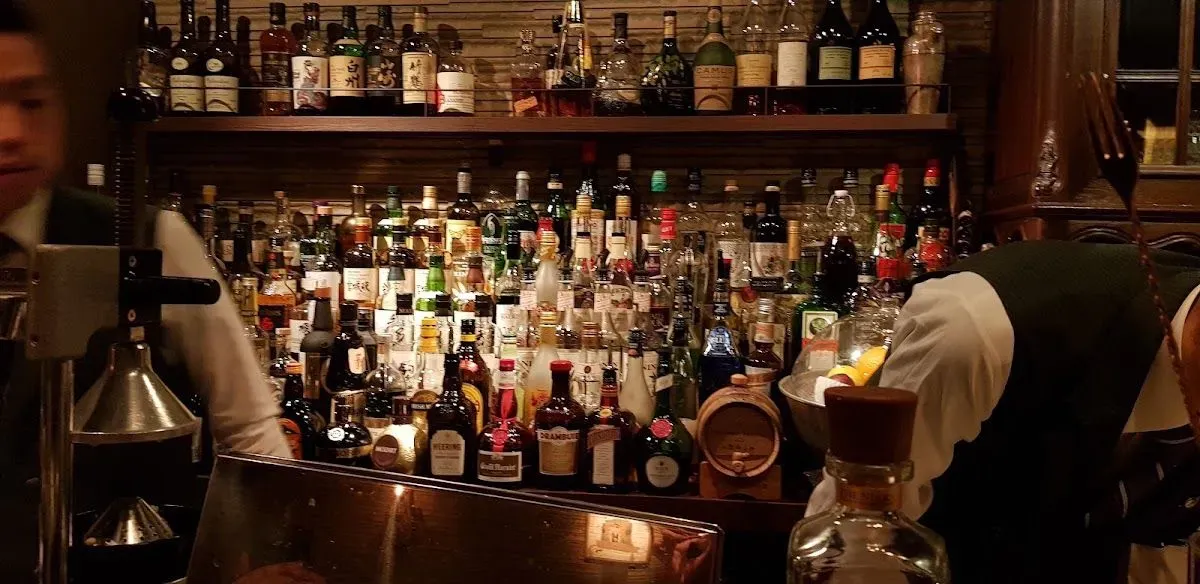
Bar Rocking Chair occupies a converted machiya townhouse near Kawaramachi, pouring seasonal cocktails mixed by 2016 World Cocktail Championship winner Kenji Tsubokura until 01:00. Heavy timber beams and four antique rocking chairs frame an open wood-burning fireplace active through autumn and winter. The drinks feature seasonal Kyoto citrus, house infusions, and hand-carved ice spheres that barely melt over an hour.
7. Honke DaiichiAsahi — Midnight Shoyu Ramen Since 1947
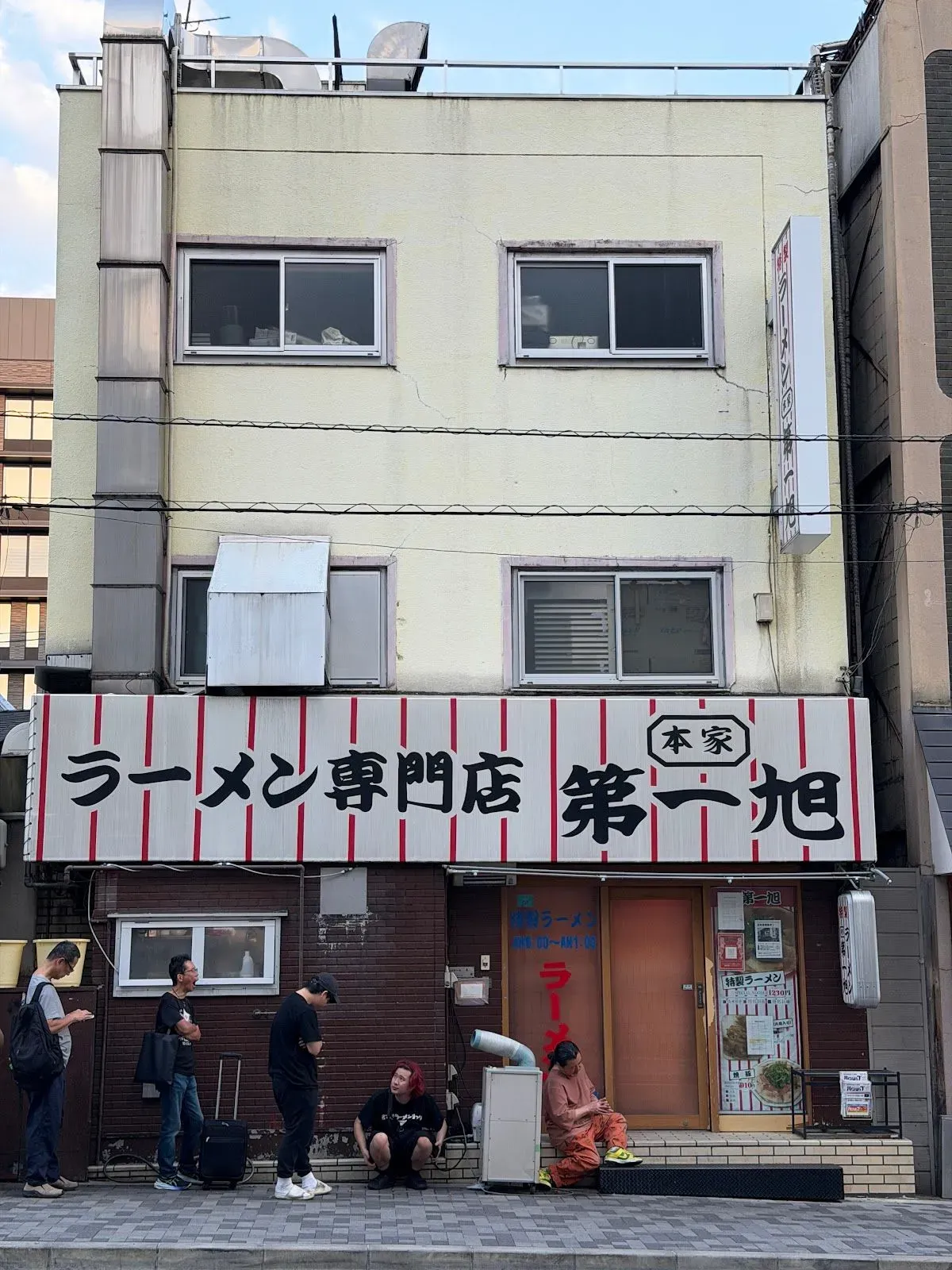
Honke DaiichiAsahi has operated near Kyoto Station since 1947, running nightly queues for clear, rich pork-bone shoyu ramen topped with thin-sliced chashu and Kujo scallions until 01:00, six days a week. Long after the station area goes dark, its yellow awning stays lit. Simmered for hours with local soy sauce, the broth avoids the heavy grease of typical tonkotsu while piling on fragrant scallions and melt-in-your-mouth pork.
8. Funaoka Onsen — Sento Soak Dating to 1923
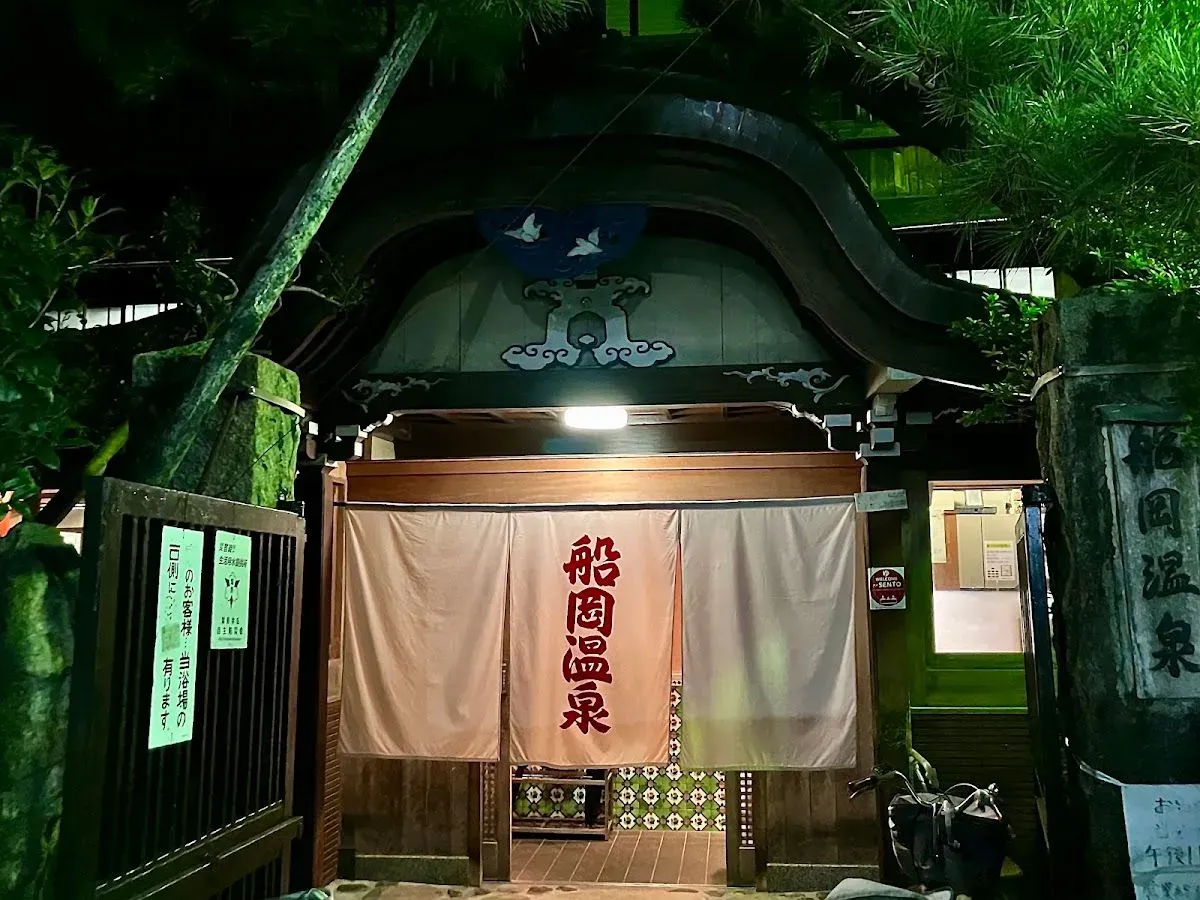
Funaoka Onsen, a registered tangible cultural property, has run as a neighborhood bathhouse in northern Kyoto since 1923. For ¥490, visitors soak beneath carved zelkova ceiling panels depicting the 1932 Battle of Shanghai, surrounded by antique majolica tiles. The facility stays open until 01:00, housing an outdoor rotenburo stone pool, a herbal cypress tub, and Japan's first denkiburo electric pulse bath to loosen calf muscles after walking the city.
Experience Kyoto with Wabisabi
Explore quiet stone alleys and storied geisha districts with local walking guides who know the city's evening pulse.
Book this tour →