Just two hours north of Tokyo, Nikko is a misty mountain realm where ancient Shinto spirituality collides with Tokugawa decadence. While most tourists rush through the main shrine complex, the real magic lies in the moss-covered stone lanterns, thundering waterfalls, and sulfurous hot springs. Here is how to experience Nikko like an insider, skipping the tour buses to find the region's true soul.
Toshogu Shrine — Tokugawa's Golden Masterpiece
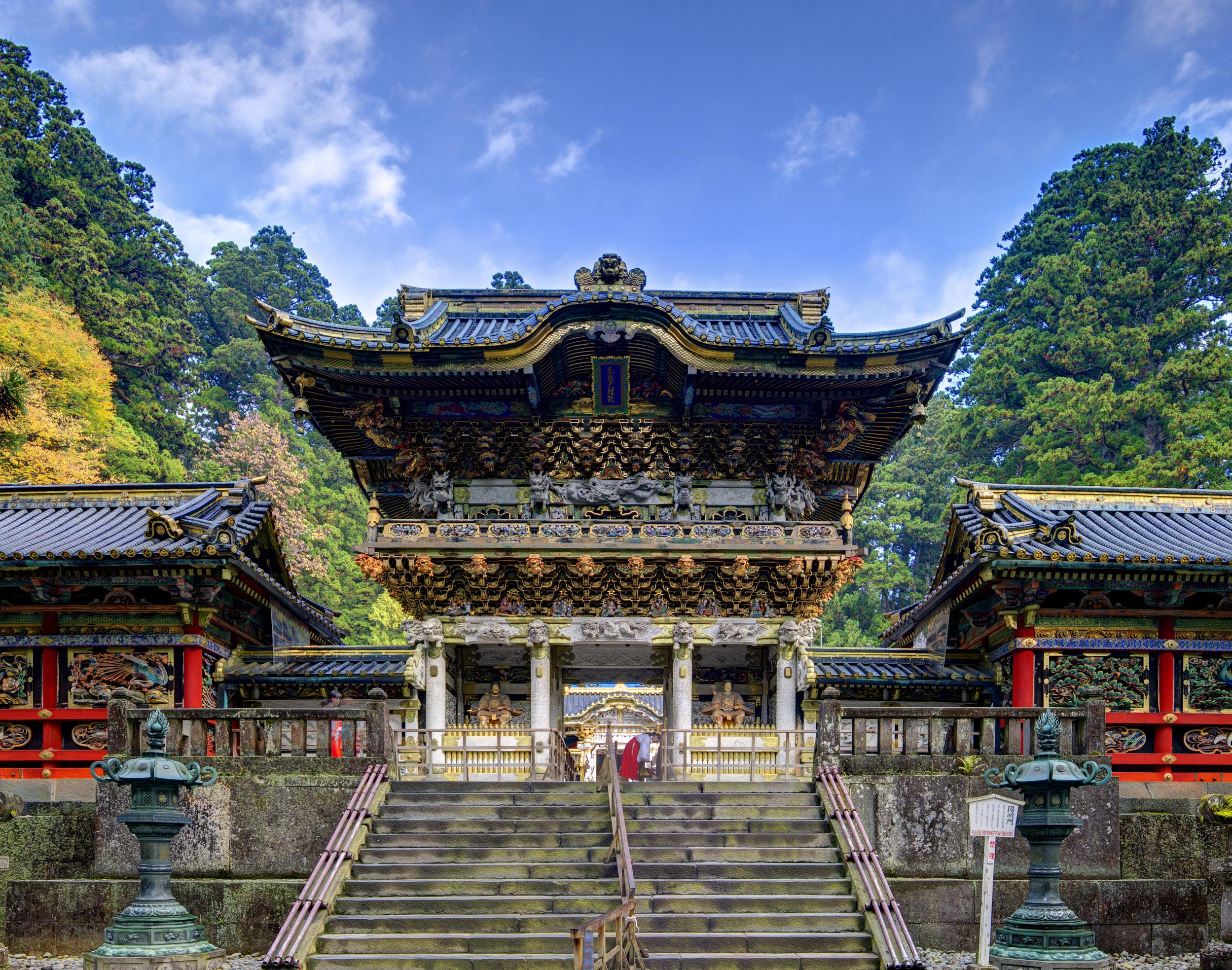
Located just a 30-minute walk or a 10-minute bus ride from Tobu-Nikko Station, the 17th-century Toshogu Shrine is Japan's most lavishly decorated Shinto sanctuary, housing the tomb of Shogun Tokugawa Ieyasu across a sprawling complex of 55 distinct wooden buildings. Prepare for sensory overload. Unlike Japan's typical minimalist aesthetics, Toshogu is a riot of gold leaf, intricate wood carvings, and vibrant pigments. Look closely at the famous 'see no evil, hear no evil, speak no evil' monkeys, then climb the 207 stone steps through towering cryptomeria cedars to Ieyasu’s final, surprisingly austere resting place.
Shinkyo Bridge — The Sacred Vermilion Gateway
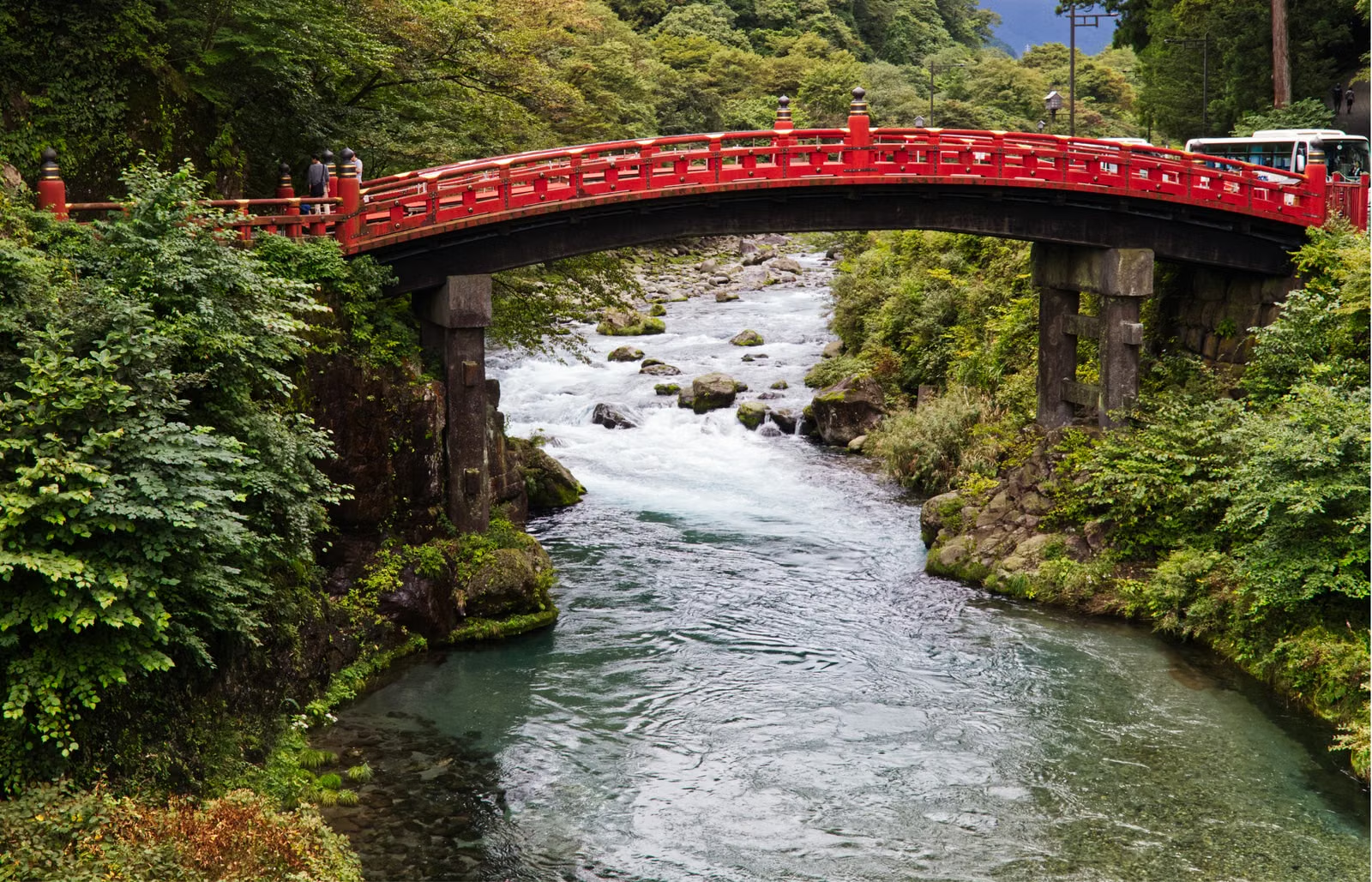
Standing at the entrance to Nikko's UNESCO-designated sanctuary, the iconic Shinkyo Bridge is a 28-meter-long vermilion structure originally built in 1636 that ranks as one of Japan's three finest historic bridges, spanning the rushing, turquoise waters of the Daiya River. This photogenic red arch marks the boundary between the secular world and the sacred hills. While you can photograph it for free from the modern road bridge, paying the small entry fee lets you walk across its sacred planks, feeling the cool mountain breeze rising from the gorge below.
Kanmangafuchi Abyss — The Phantom Row of Jizo Statues
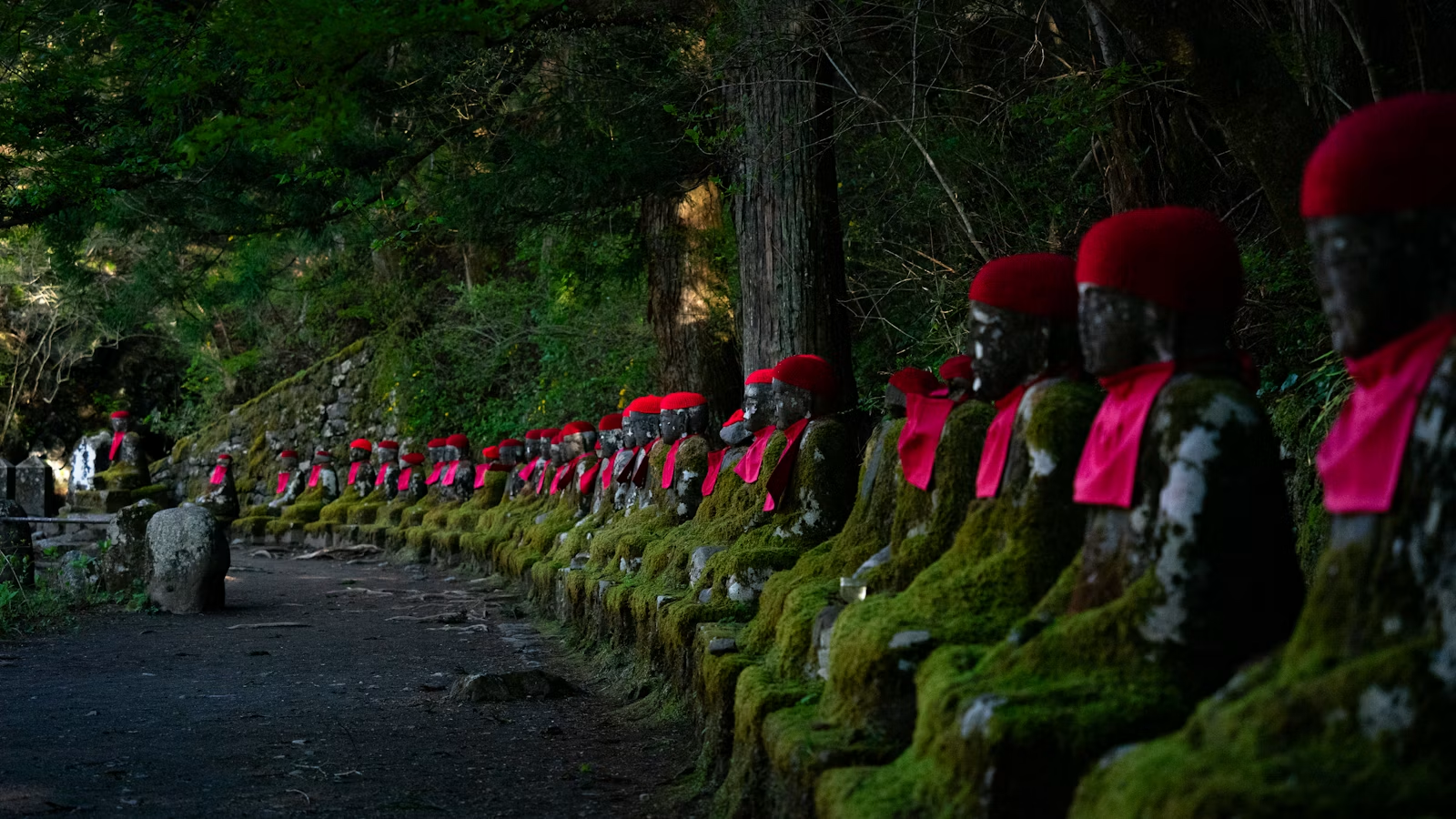
Formed by an ancient eruption of Mount Nantai over 7,000 years ago, the Kanmangafuchi Abyss is a scenic riverside gorge famous for the Bake-Jizo, a mysterious row of approximately 70 moss-covered stone statues wearing red knitted caps. This is where Nikko's spiritual energy feels rawest. The path hugs the roaring Daiya River, spraying cool mist as you walk past the silent, weathered stone guardians. If you are starting your journey from Asakusa after our Tokyo City Highlights - Shibuya + Harajuku + Asakusa, this tranquil gorge offers the ultimate peaceful contrast to Tokyo's neon-lit streets.
Kegon Falls — Nikko's Thundering 97-Meter Cascade
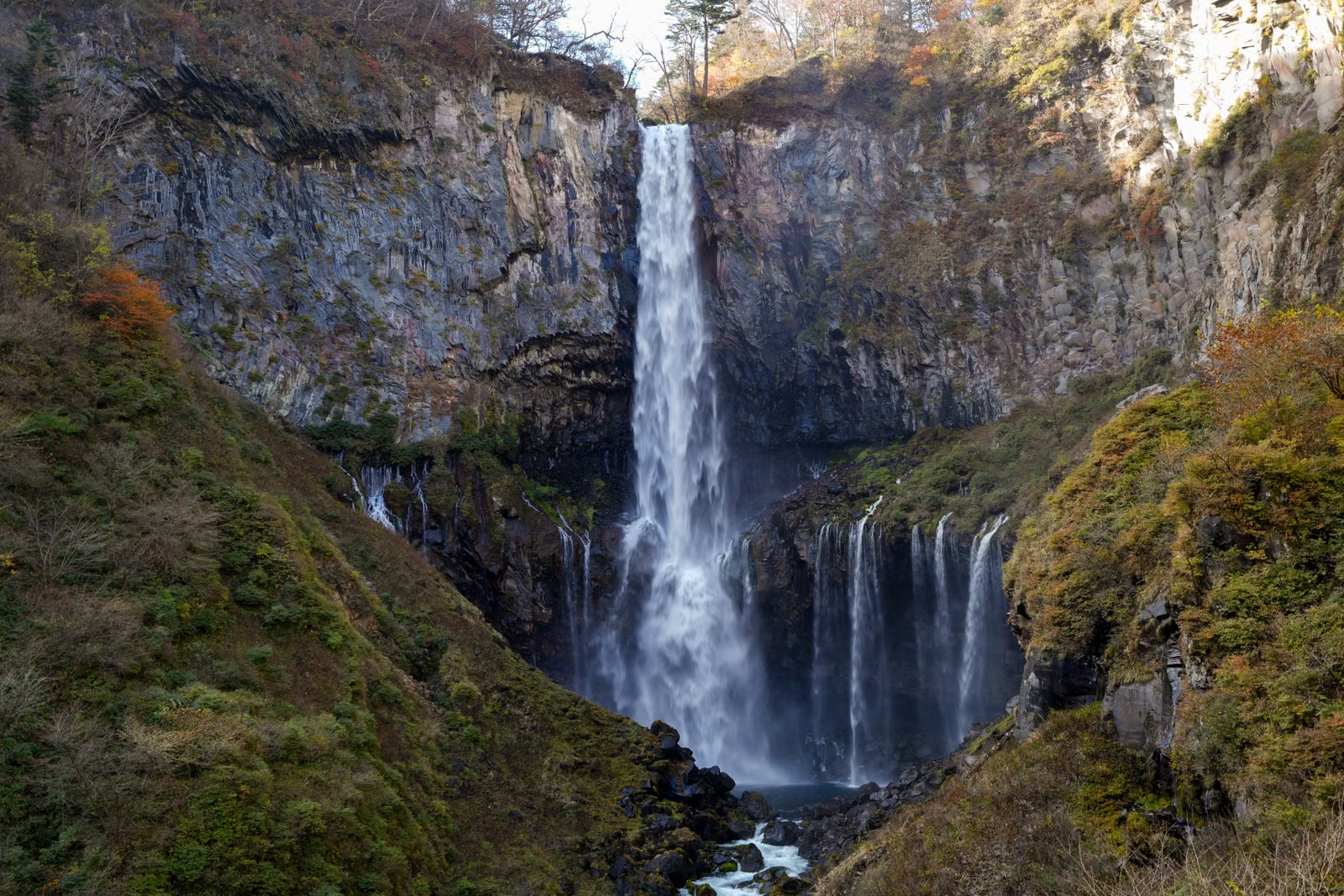
Ranking as one of Japan's three most beautiful waterfalls, the spectacular 97-meter-tall Kegon Falls drains the waters of Lake Chuzenji down a sheer rock cliff, accessible via a special 100-meter-deep elevator shaft built directly into the mountain bedrock. The sheer power of Kegon is mesmerizing. Take the elevator down to the multi-level viewing deck to feel the thunderous vibration in your chest and the cold spray on your face. In winter, the waterfall partially freezes into a stunning, cobalt-blue ice sculpture.
Lake Chuzenji — High-Altitude Alpine Serenity
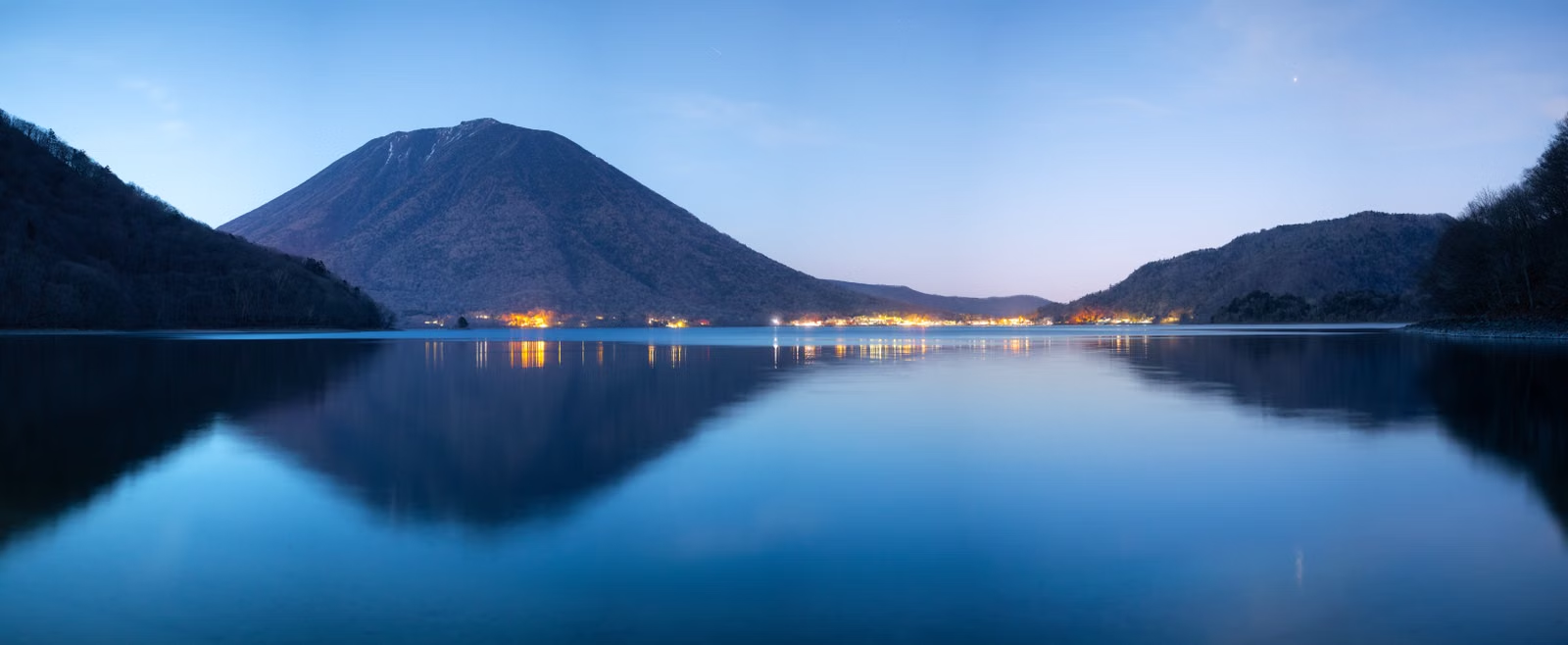
Situated 1,269 meters above sea level at the foot of Mount Nantai, Lake Chuzenji is a scenic caldera lake created over 20,000 years ago by volcanic eruptions, offering cool summer temperatures and spectacular autumn foliage across its 25-kilometer circumference. This high-altitude oasis has been a summer retreat for foreign diplomats since the late 19th century. Stroll along the forested eastern shore, visit the historic Italian and British Embassy Villa Memorial Parks, or rent a paddleboat to glide across the glassy, deep-blue mountain waters.
Yumoto Onsen — The Healing Sulfur Springs of Okunikko
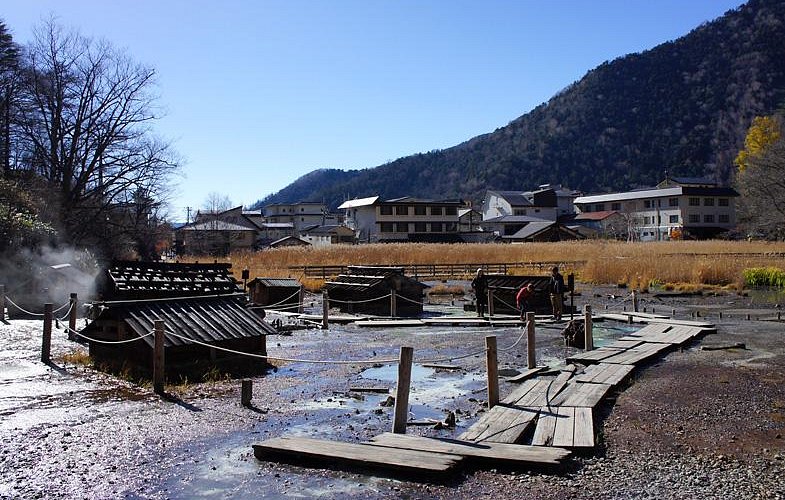
Tucked deep in the mountains of Okunikko, Yumoto Onsen is a historic hot spring town founded in 788 AD by the Buddhist monk Shodo Shonin, featuring highly therapeutic, milky-white waters rich in sulfur that bubble up directly from the nearby marshlands. This is the place to soak away your travel fatigue. The air here smells heavily of sulfur—the mark of genuine, mineral-rich volcanic water. After exploring Tokyo's historic neighborhoods on our Hidden Tokyo - Peaceful Gardens, Historic Shrines & Old Town Streets, escaping to these steaming mountain baths feels like entering another era entirely.
Senjogahara Marshland — The Battlefield of the Gods
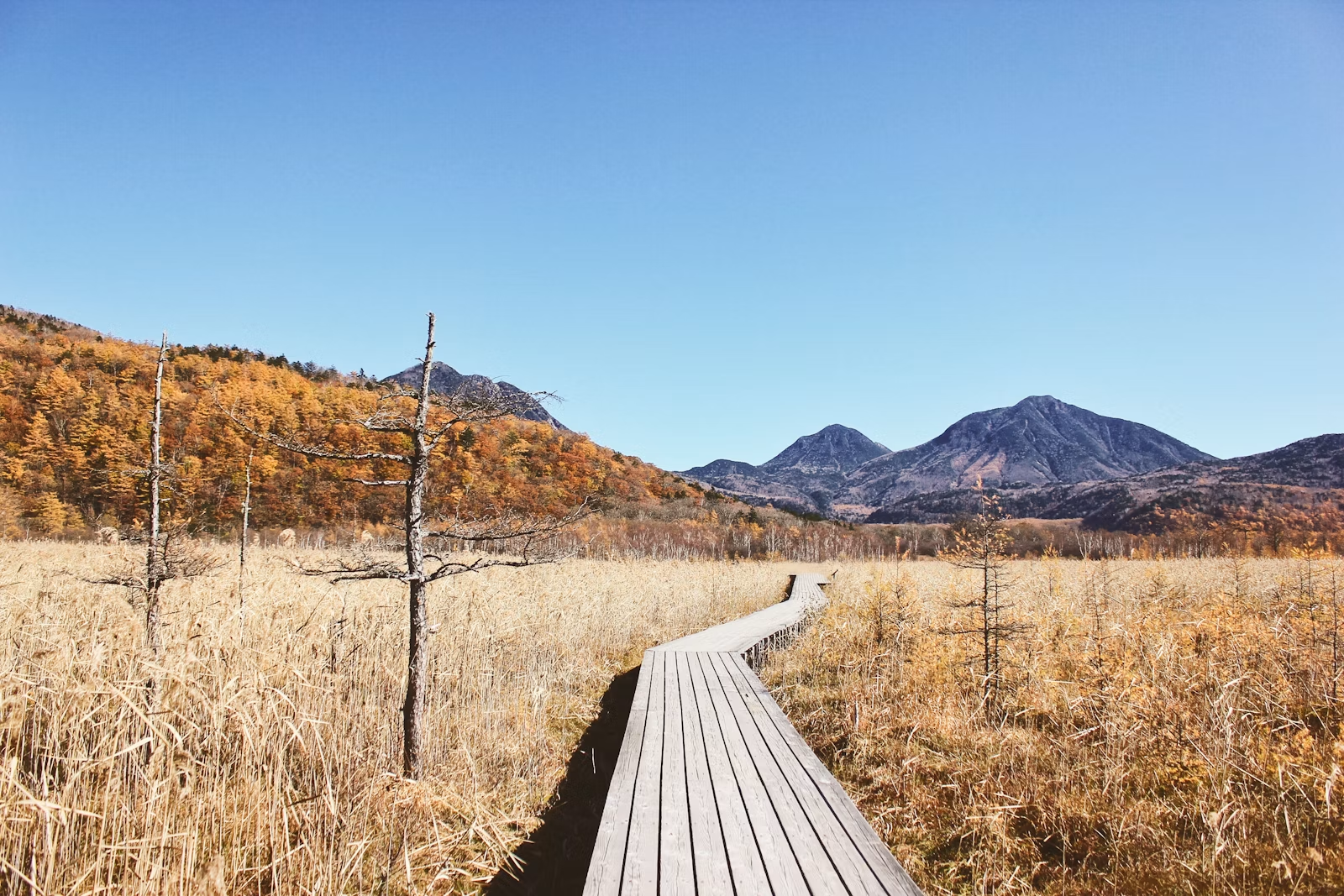
Spanning 400 hectares at an elevation of 1,400 meters, Senjogahara Marshland is one of Japan's largest high-altitude wetlands, offering an easy, flat 6-kilometer hiking trail on elevated wooden boardwalks that takes about two hours to complete and showcases over 350 species of alpine plants. According to Shinto legend, this vast plateau was the battlefield where the gods of Mount Nantai and Mount Akagi fought for control of the region. Today, it is a serene wilderness of golden grasses, white birch trees, and panoramic mountain views that explode into fiery orange hues during October.
Tamozawa Imperial Villa — A Glimpse of Royal Meiji Luxury
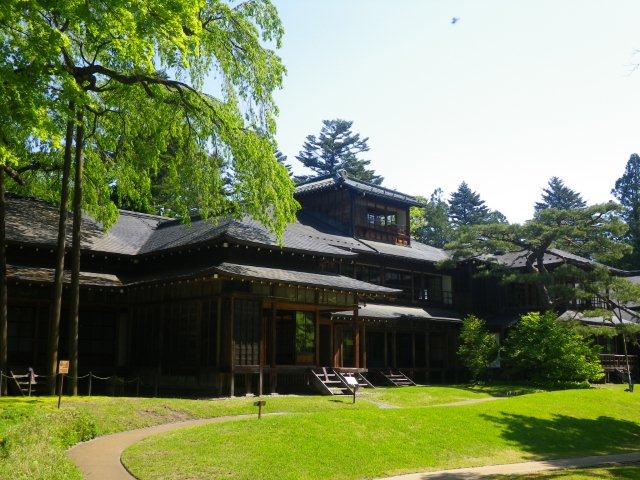
Constructed in 1899 as a summer retreat for Emperor Taisho, the massive 106-room Tamozawa Imperial Villa is one of Japan's largest surviving wooden historic structures, beautifully blending traditional Edo-period architecture with modern Western Meiji-era design influences. Walk through the endless carpeted corridors and admire the delicate sliding paper doors, ornate chandeliers, and English-style toilets used by the imperial family. The villa is surrounded by a pristine, manicured Japanese stroll garden featuring a magnificent 400-year-old weeping cherry tree.
Discover More of Japan's History with Wabisabi
After exploring the ancient mountain shrines of Nikko, dive deeper into Tokyo's historic neighborhoods and hidden gems on our intimate, small-group walking tours.
Book this tour →