
Step off the train and backward 150 years into the black-glazed clay warehouses of Kawagoe. Just 30 minutes from central Tokyo, this former merchant hub preserves the gritty, sensory charm of the Edo period. Skip the generic modern high-rises and lose yourself in a town of sweet potato treats, tolling bronze bells, and ancient matchmaking shrines.
Kurazukuri Zone — Tokyo's Best Preserved Edo-Era Warehouse District
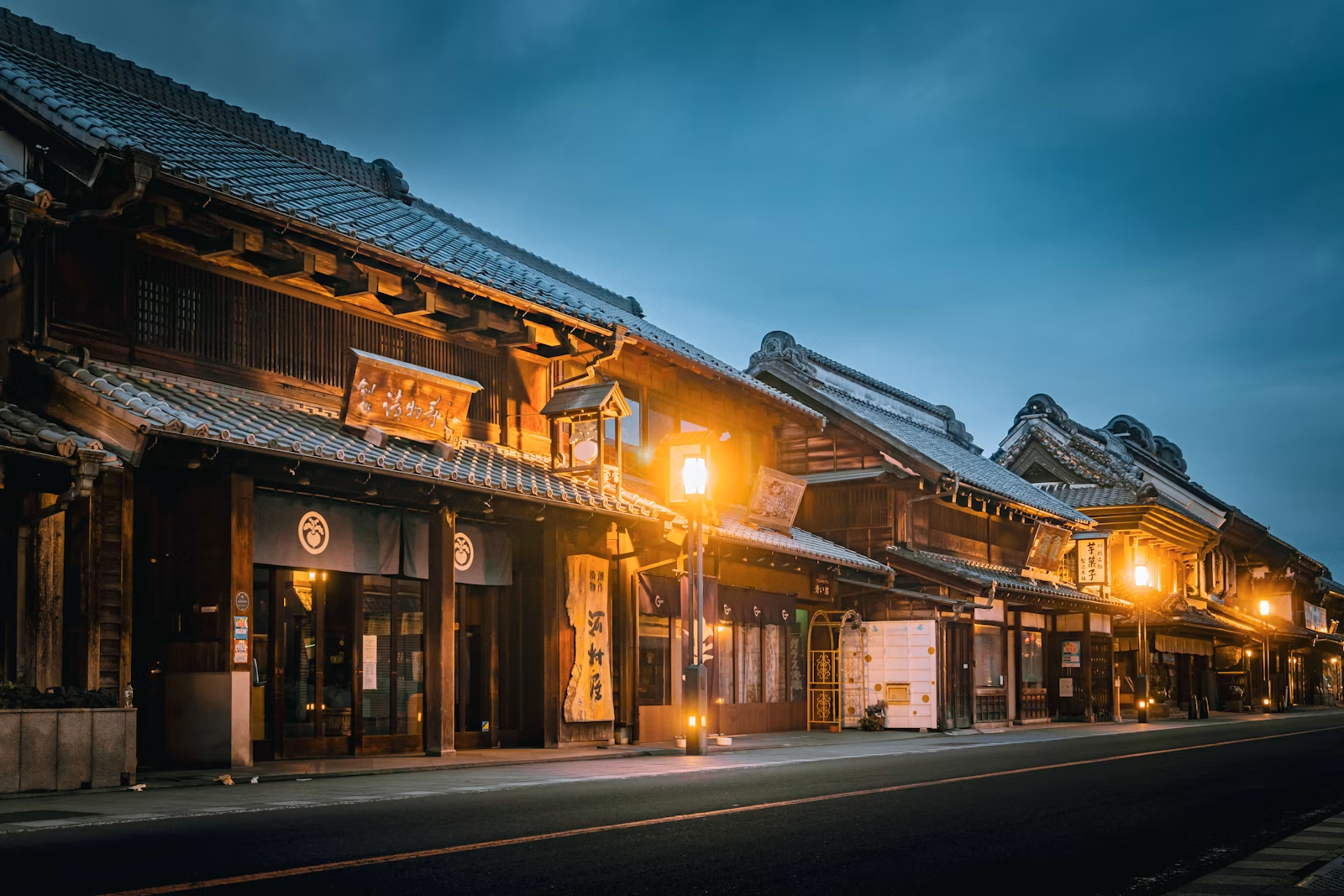
Located just 1.2 kilometers from Kawagoe Station, the historic Kurazukuri Zone features over 30 double-layered, charcoal-black clay merchant storehouses that were built after the great fire of 1893 to protect valuable trade goods from devastating flames that once swept through the old town. Stroll past charcoal-black plaster walls and heavy clay tiled roofs that once protected Kawagoe's wealthiest merchants. The air here smells of roasted sweet potatoes and soy sauce glaze. If you love this historical vibe, check out our Hidden Tokyo - Peaceful Gardens, Historic Shrines & Old Town Streets tour to explore Tokyo's remaining traditional neighborhoods.
Toki no Kane — The Historic 16-Meter Wooden Bell Tower
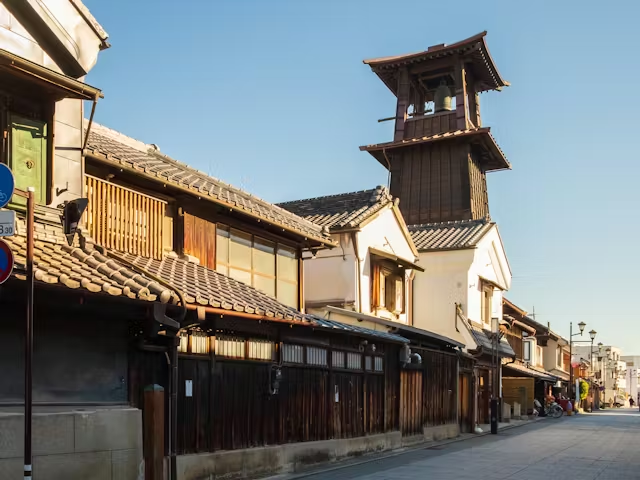
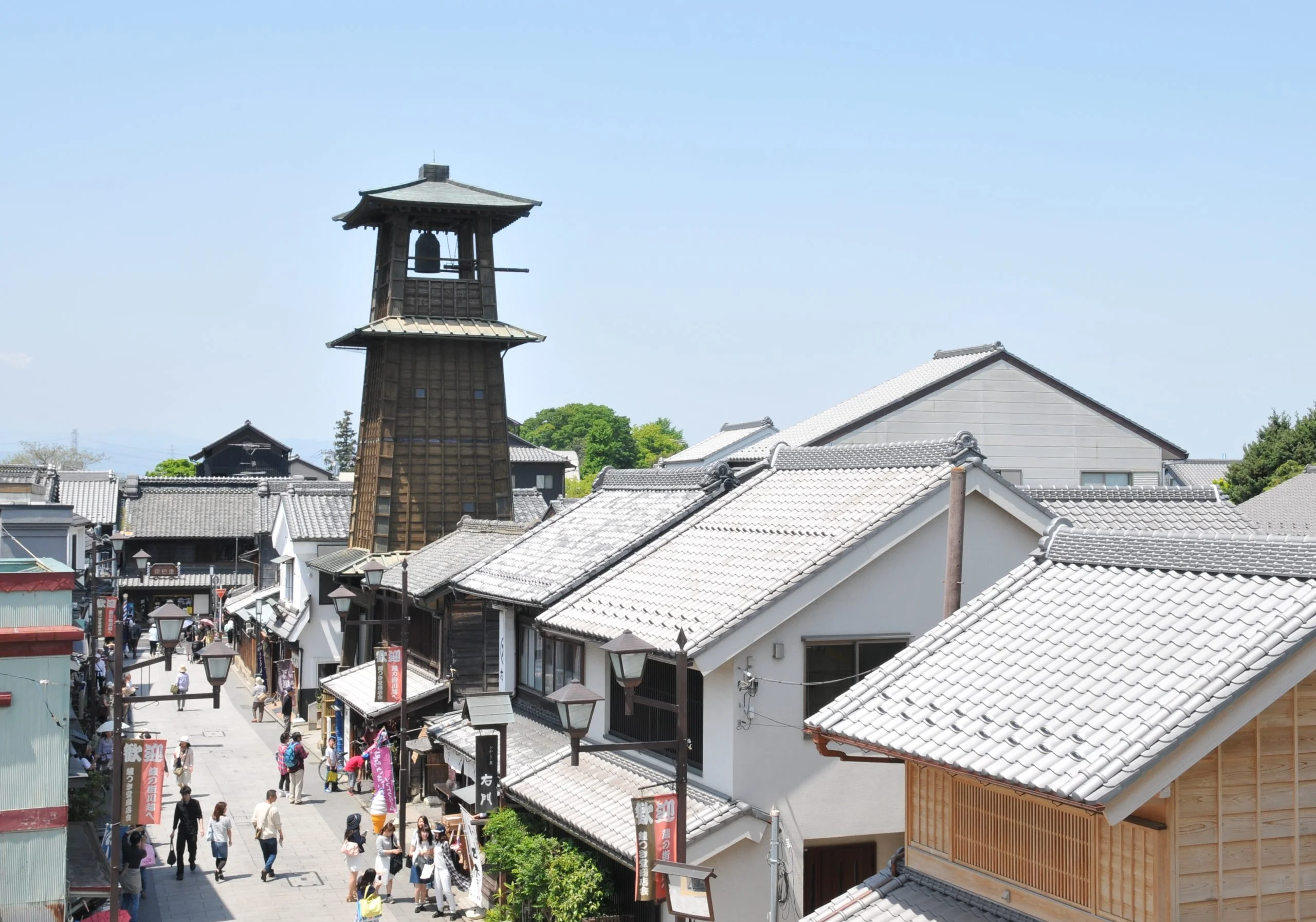
Originally constructed in the early 17th century by feudal lord Sakai Tadakatsu, this iconic 16-meter-tall wooden bell tower has been rebuilt multiple times and currently rings mechanically four times daily at 6:00, 12:00, 15:00, and 18:00 to sound the hour for local residents. Standing tall over the clay warehouses, this three-story wooden structure is Kawagoe's heartbeat. Listen for the deep, resonant chime that has signaled the hour to locals for over 400 years. Grab a sweet potato soft-serve nearby and wait for the mechanical hammer to strike the bronze bell.
Kashiya Yokocho — The Nostalgic Penny Candy Lane
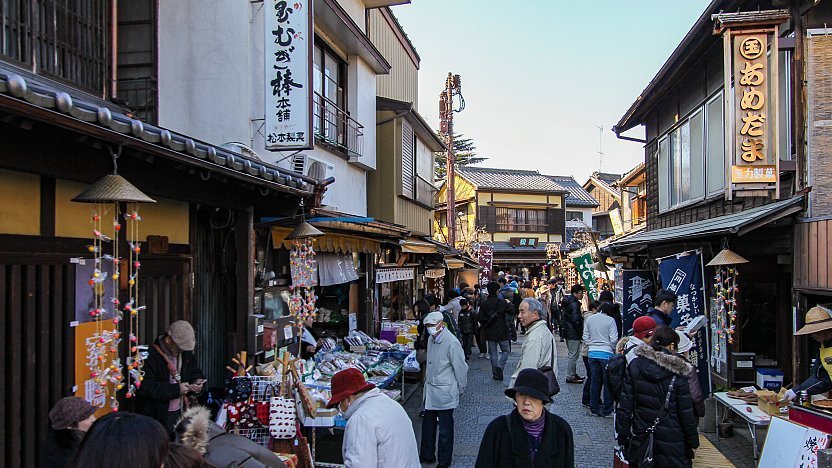
Tucked away in Kawagoe's northwest corner, Kashiya Yokocho is a nostalgic stone-paved alleyway packed with 22 traditional Japanese sweet shops selling colorful hand-stretched candies, giant purple sweet potato chips, and traditional brown sugar fugashi wheat-gluten snacks for under 500 yen. This alley smells like burnt brown sugar, toasted sesame, and cinnamon. It is a living relic of the early Showa period when Kawagoe supplied Tokyo's sweet tooth. Combine this vintage food crawl with our full-day Tokyo City Highlights - Shibuya + Harajuku + Asakusa tour to contrast historic street food with Tokyo's modern culinary hubs.
Kawagoe Hikawa Shrine — A 1,500-Year-Old Sanctuary of Love and Wind Chimes
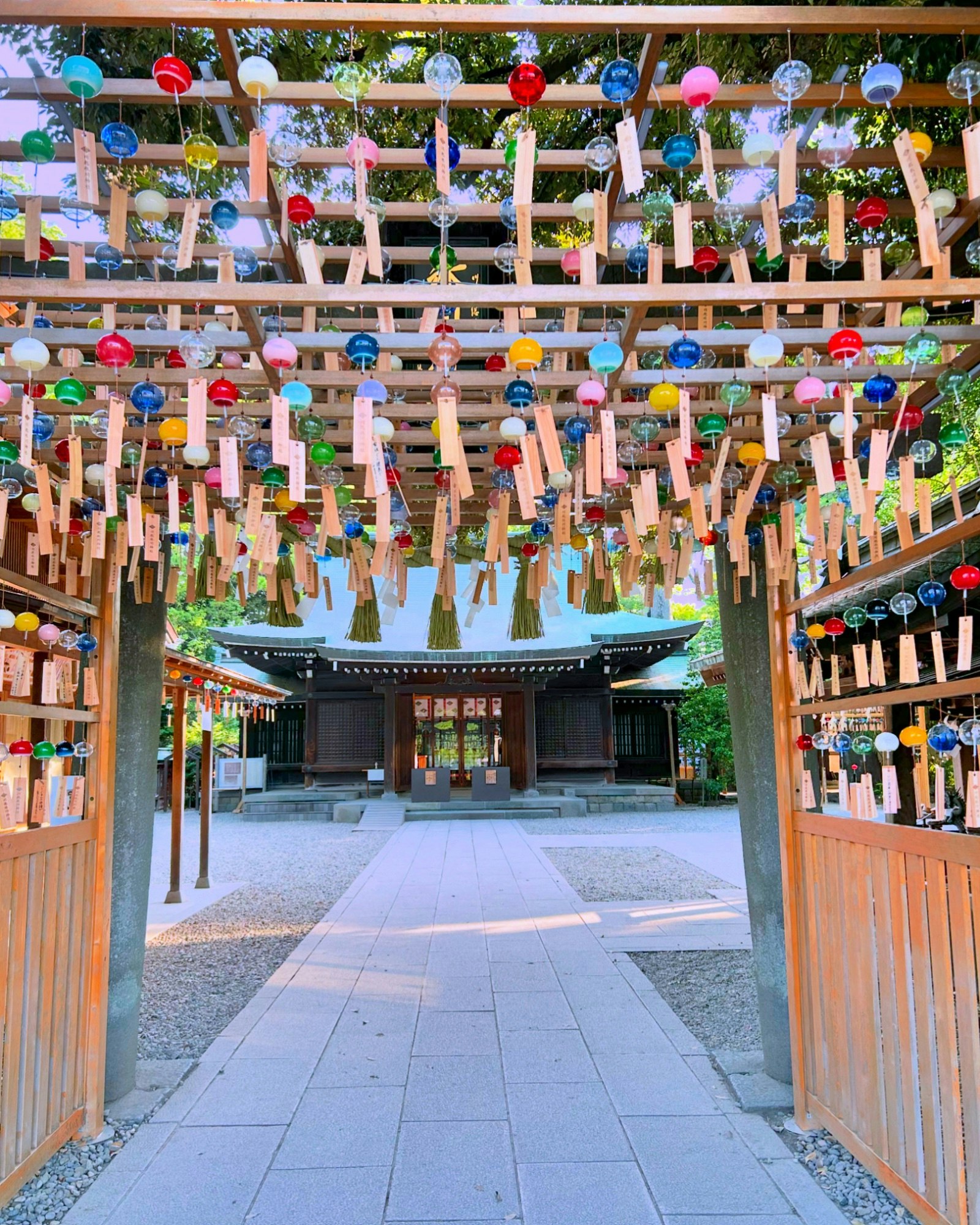
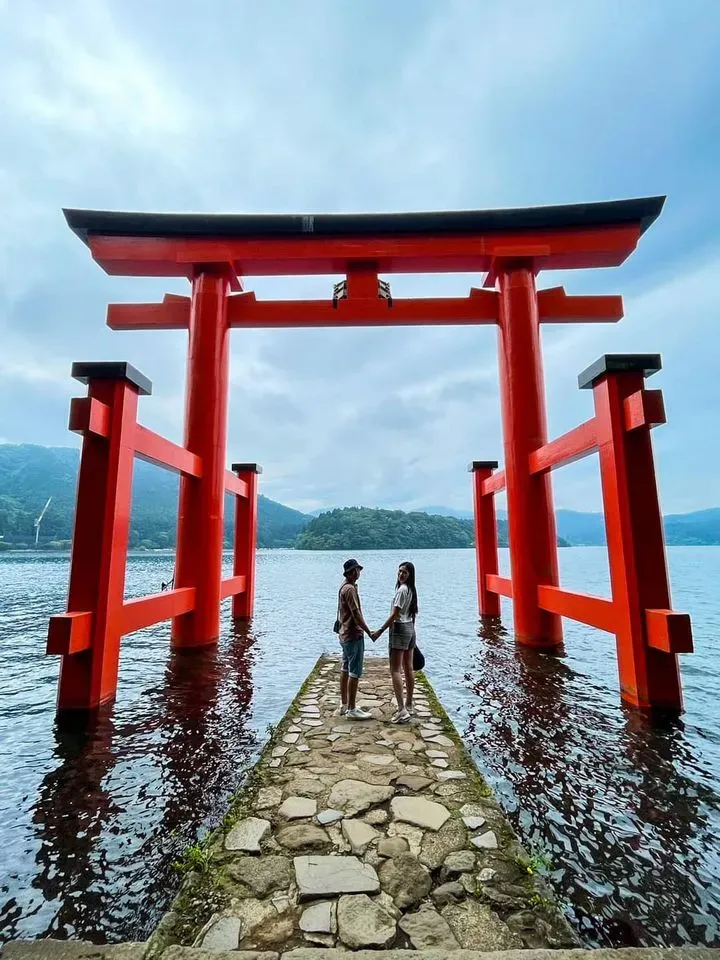
Established during the Tumulus period approximately 1,500 years ago, the spiritual Kawagoe Hikawa Shrine features a massive 15-meter-tall wooden torii gate and hosts an iconic summer wind chime festival displaying over 2,000 hand-painted glass chimes that attract thousands of couples seeking romantic luck. This shrine is a sensory wonderland dedicated to matchmaking. Instead of drawing paper fortunes, you use a small fishing rod to snag a colorful, fish-shaped 'tai' fortune from a wooden well. The sound of thousands of tinkling glass wind chimes in the breeze creates an unforgettable, ethereal summer soundtrack.
Kita-in Temple — The Temple of 540 Stone Gohan Statues
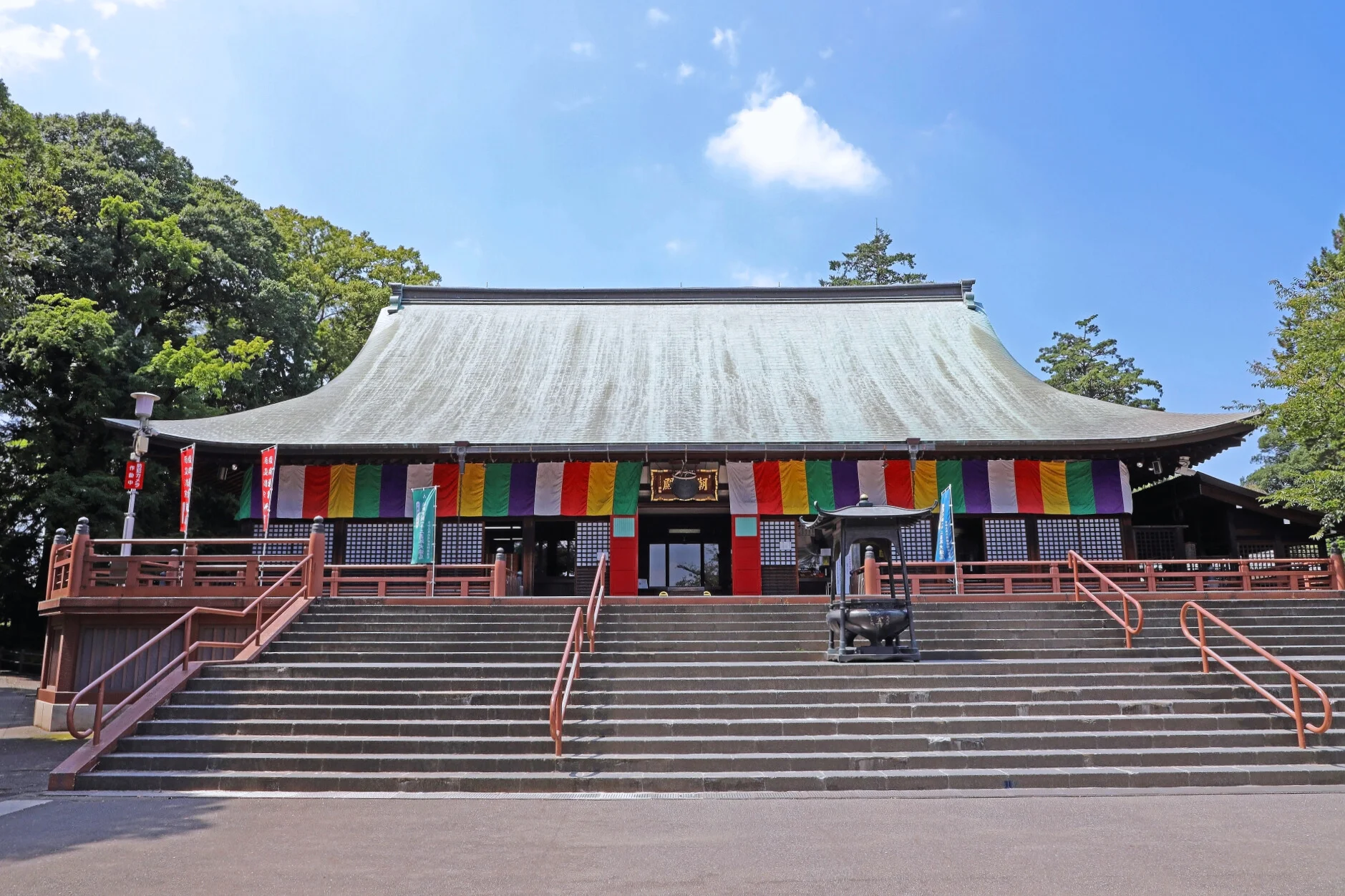
Founded in 830 AD, the historic Kita-in Temple is home to 540 unique stone Gohan disciple statues and features the only remaining palace structures of the original Edo Castle, which were physically moved to this site in 1638 after a devastating fire. Walk through the courtyard to find the walled garden containing hundreds of expressive stone statues, each with a completely distinct facial expression—some laughing, some whispering, some holding animals. The temple's interior preserves the birth chambers of Shogun Tokugawa Iemitsu, featuring beautifully painted screens and historic samurai armor.
Kawagoe Castle Honmaru Goten — The Last Surviving Samurai Lord Palace
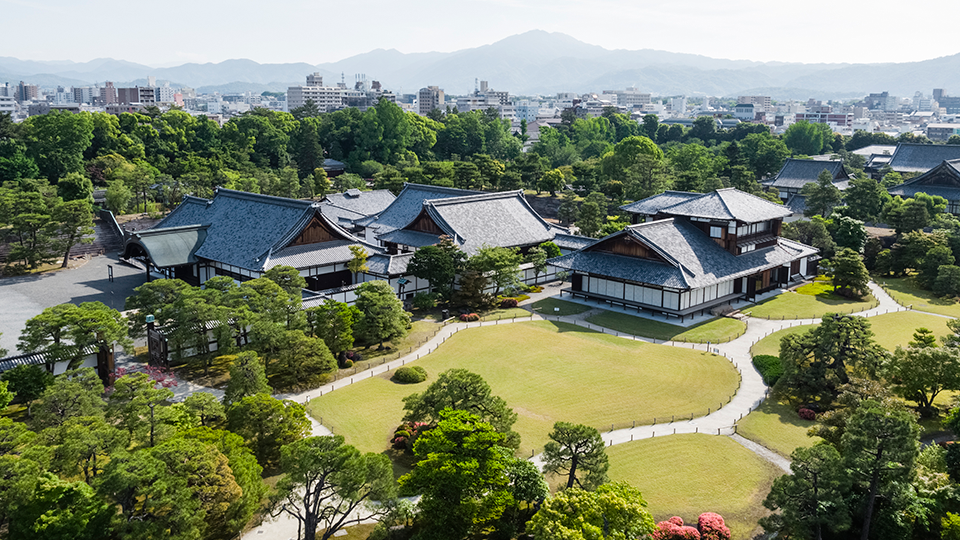
Originally constructed in 1848, the Honmaru Goten is the sole surviving primary hall of Kawagoe Castle, making it the only authentic samurai clan lord residence remaining in the entire Kanto region where visitors can walk through pristine historic tatami rooms. Step onto the pristine tatami mats and breathe in the scent of aged cedar wood. The wide wooden corridors look out onto quiet, minimalist rock gardens. Life-sized wax figures of samurai lords recreate a strategy meeting in the inner chambers, giving you a vivid glimpse into feudal military planning.
Taisho Roman Yume Street — A Retro Journey to Early 20th-Century Japan
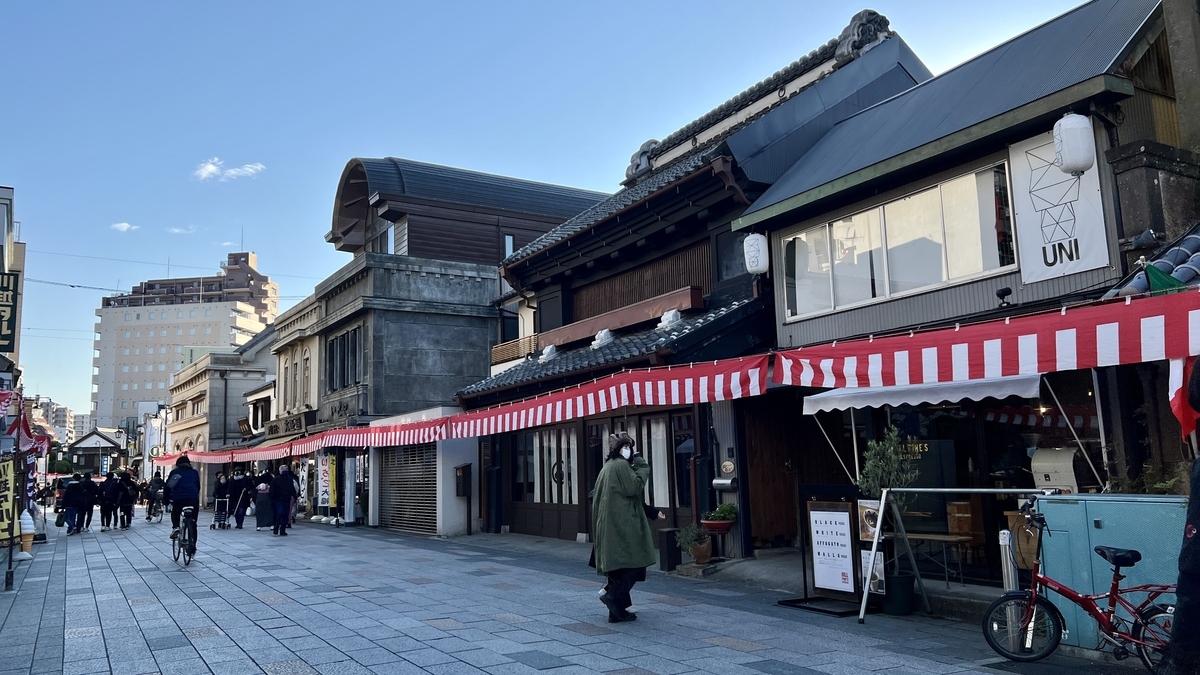
Stretching between the modern station and the historic Kurazukuri district, this retro 200-meter-long cobblestone street features beautifully preserved Taisho-era Western-style stone buildings and classic wooden machiya storefronts dating from the early 20th century between 1912 and 1926. This street offers a dramatic architectural shift from Edo-era wood to vintage Western-style stone facades. The absence of overhead power lines gives the entire street an authentic, cinematic feel. Stop by one of the old-school coffee shops for a hand-dripped brew served in retro porcelain cups.
Coedo Brewery — Award-Winning Sweet Potato Craft Beer
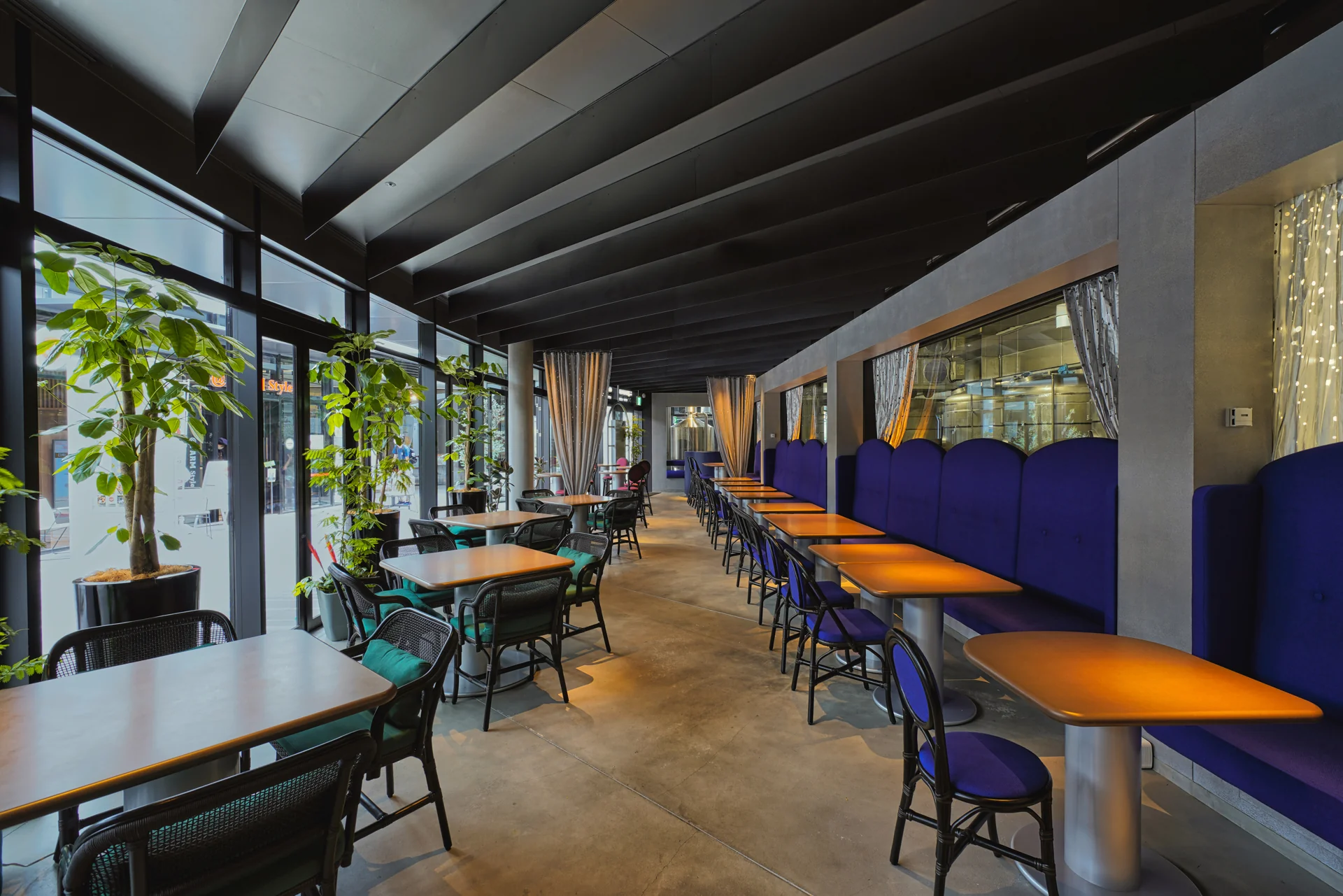
Founded locally in Kawagoe back in 1996, the award-winning Coedo Brewery is world-famous for its signature Beniaka beer, which is a premium, unfiltered amber ale brewed using roasted local Kintoki sweet potatoes that are harvested from Saitama's fertile agricultural fields. You cannot leave Kawagoe without tasting its signature craft beer. Head to a local taproom to try a cold glass of Beniaka, which balances rich caramel malts with a subtle, earthy sweet potato finish. It is the perfect liquid souvenir to wrap up a day of walking through historic streets.
Explore Japan's Living History with Wabisabi
Ready to dive deeper into Japan's historic streets? Join our expert guides to uncover hidden alleyways, ancient shrines, and local culinary treasures.
Book this tour →