Most day-trippers step off the train at Nara, buy roasted wheat crackers, dodge pushy sika deer by Todai-ji, and flee back to Kyoto by mid-afternoon. That rush misses Japan's eighth-century capital entirely. Beyond the deer park, the historic center holds quiet moss gardens, centuries-old woodworking studios, and 140-year-old sake cellars within an easy walk.
1. Naramachi Koshi-no-Ie — Walk Inside an Edo-Era Merchant Townhouse
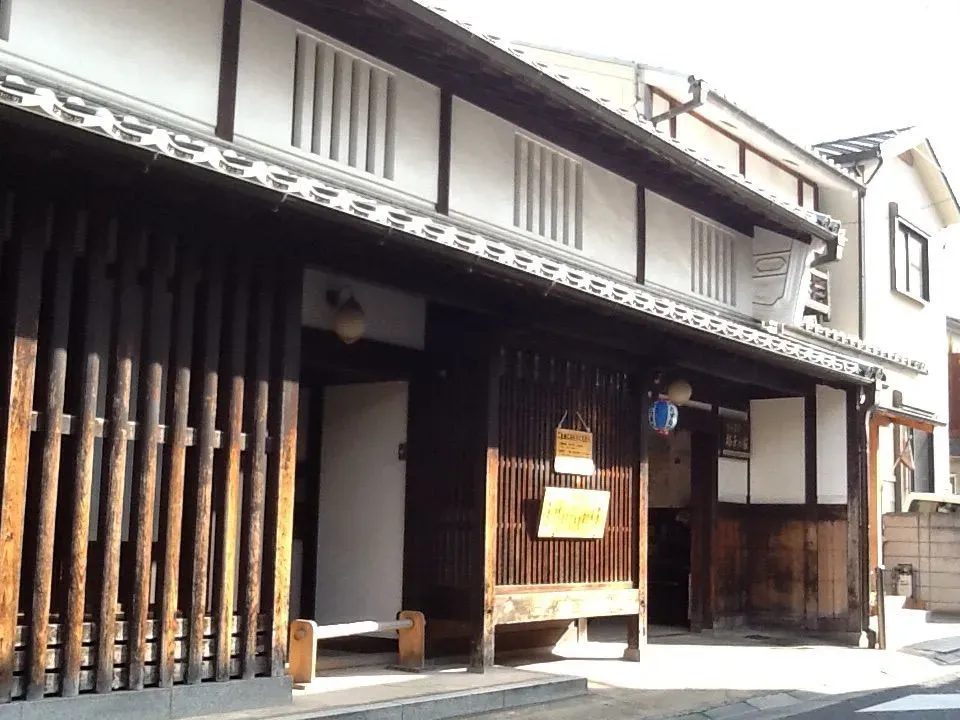
Naramachi Koshi-no-Ie is a free, full-scale reproduction of a 19th-century Edo merchant machiya. Feudal Nara taxed properties strictly by street frontage width, forcing merchants to build narrow, deep homes called unagi no nedoko—'eel bedrooms.' Koshi-no-Ie shows how timber carpentry solved cramped urban quarters. Remove your shoes at the entrance to inspect the tansu-kaidan, a steep staircase assembled from storage chests, and study the central courtyard engineered to pull drafts through tatami rooms.
2. Yoshikien Garden — Free Traditional Moss and Tea Gardens for Foreign Visitors
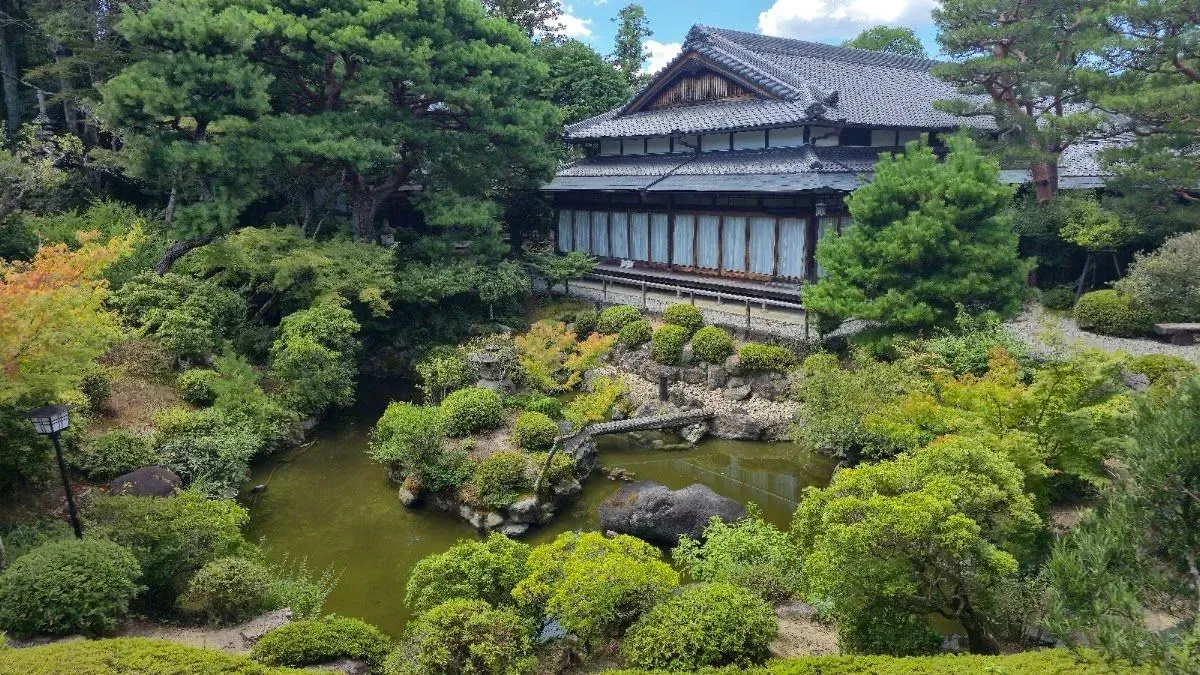
Yoshikien Garden borders the Yoshikigawa River and offers free admission to foreign passport holders upon presentation at the gate. Next door, crowds pay ¥1,200 to enter Isuien. Built on former residential land for Kofuku-ji priests, Yoshikien contains three distinct grounds: a pond framed by maples, a secluded thatched tea garden, and an expansive western moss garden shaded by mature trees. After rain, its moss matches Kyoto's Saiho-ji without requiring advance mail-in reservations.
3. Harushika Sake Brewery — Five-Pour Tasting in Japan's Ancient Brewing Hub
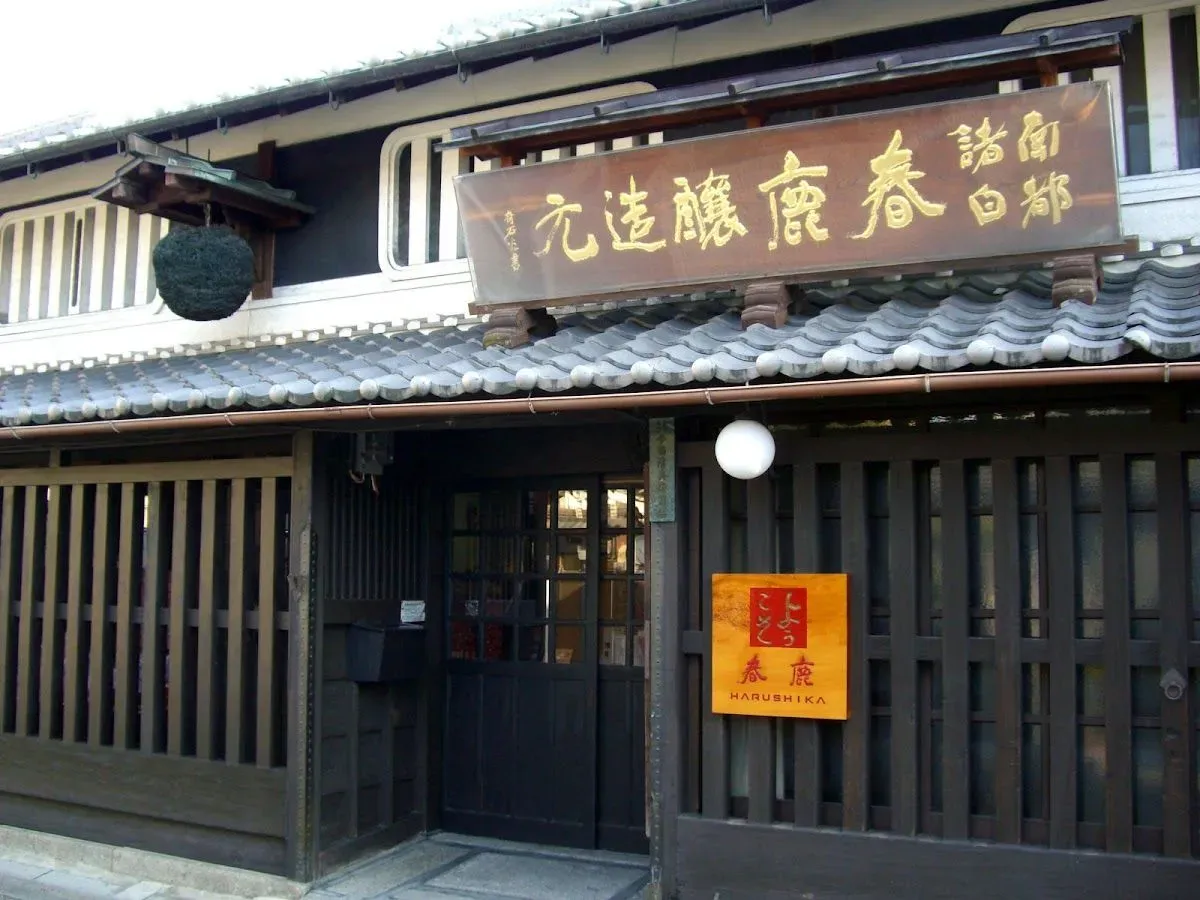
Harushika Sake Brewery was founded in 1884 by Imanishi Seibei Shoten in Naramachi. Five seasonal pours cost ¥500 and include a handcrafted colored Edo glass cup to take home. Nara claims the origins of refined sake brewing, dating to clarification techniques developed at Shoryaku-ji during the Muromachi era. Inside Harushika's timber merchant building, tastings run from bone-dry junmai to cloudy, naturally carbonated nigori. Pair it with a Kyoto Walking Tour for a thorough look at Kansai food traditions.
4. Toshodai-ji — Eighth-Century Chinese Architecture Without the Tour Buses
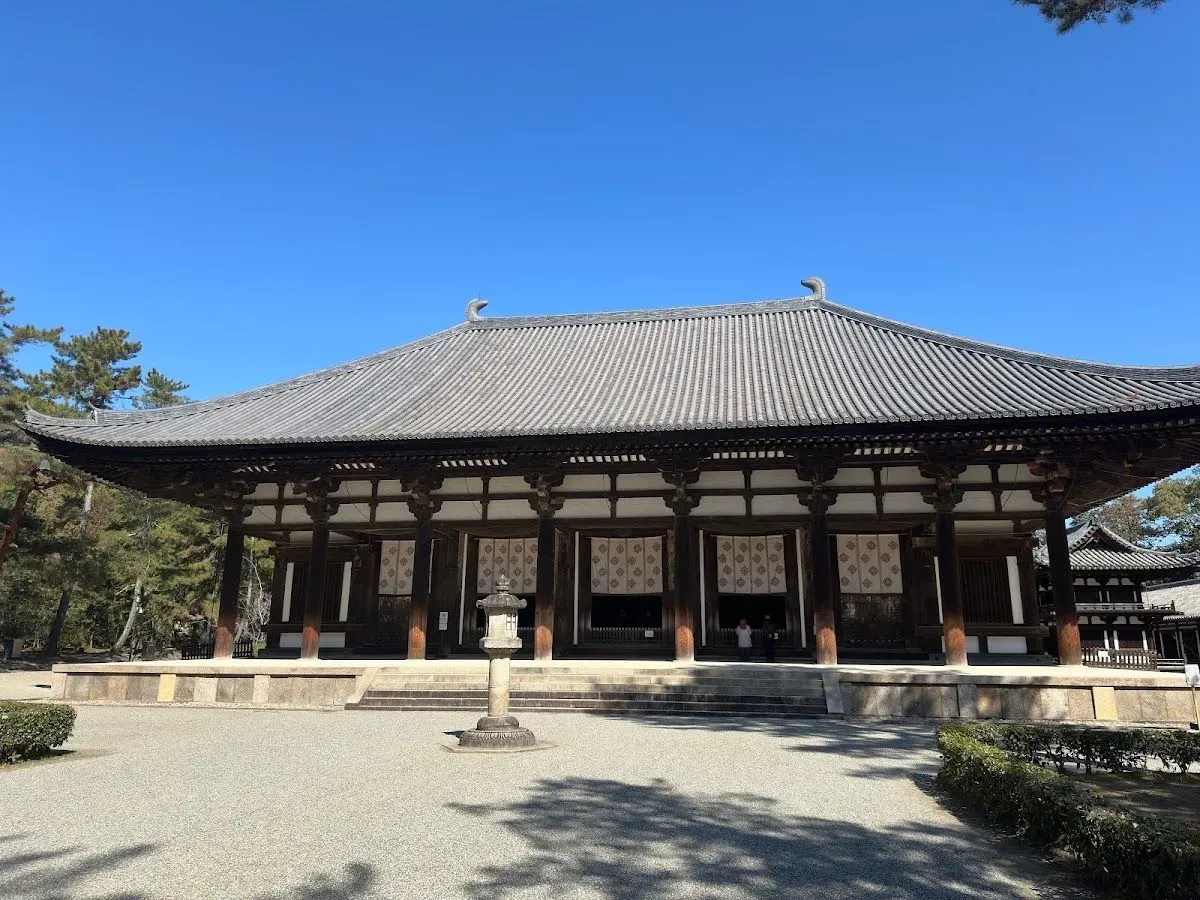
Founded in 759 AD by the blind Chinese monk Jianzhen (Ganjin), Toshodai-ji sits three kilometers west of central Nara and misses the tour bus traffic swarming Todai-ji. Its eighth-century Kondo (Golden Hall) retains the gentle eaves and straight timber columns of Tang Dynasty design. Inside stands a thousand-armed Kannon with over 950 original carved wooden arms. Raked gravel paths lead past cedar groves to Ganjin's moss-covered tomb.
5. Nigatsu-do Terrace — Twilight Over the Nara Basin from Todai-ji’s Upper Ridge
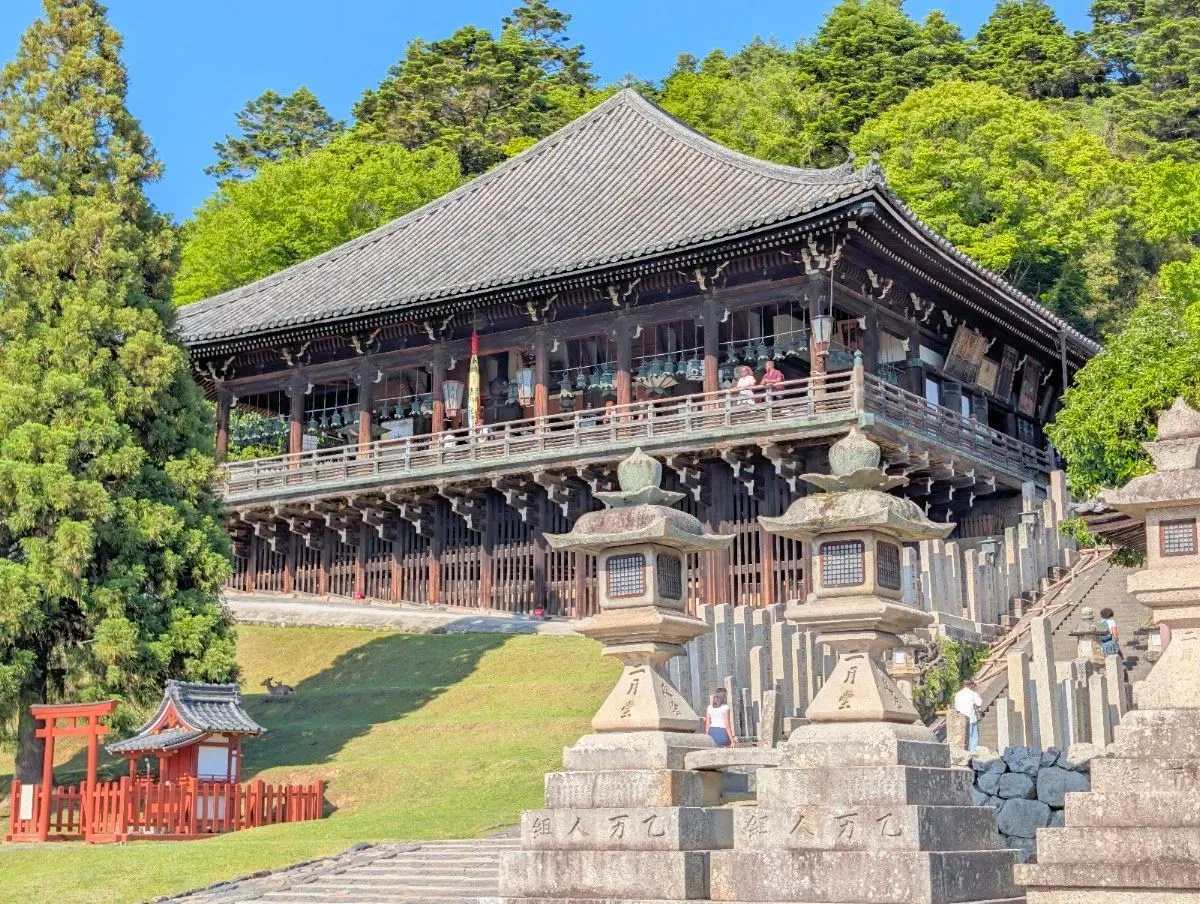
Nigatsu-do, a hillside sub-complex of Todai-ji, stays open 24 hours daily with free entry. When tour buses depart and the Great Buddha Hall closes at 17:30, walk five minutes uphill. Every March, monks carry blazing pine torches along this elevated wooden deck for the 1,200-year-old Omizutori ceremony. Arrive thirty minutes before dusk to hear temple wind bells ring as streetlights switch on across the Yamato Basin.
6. Nara Craft Museum — Centuries-Old Sumi Ink and Ittobori Woodcarving
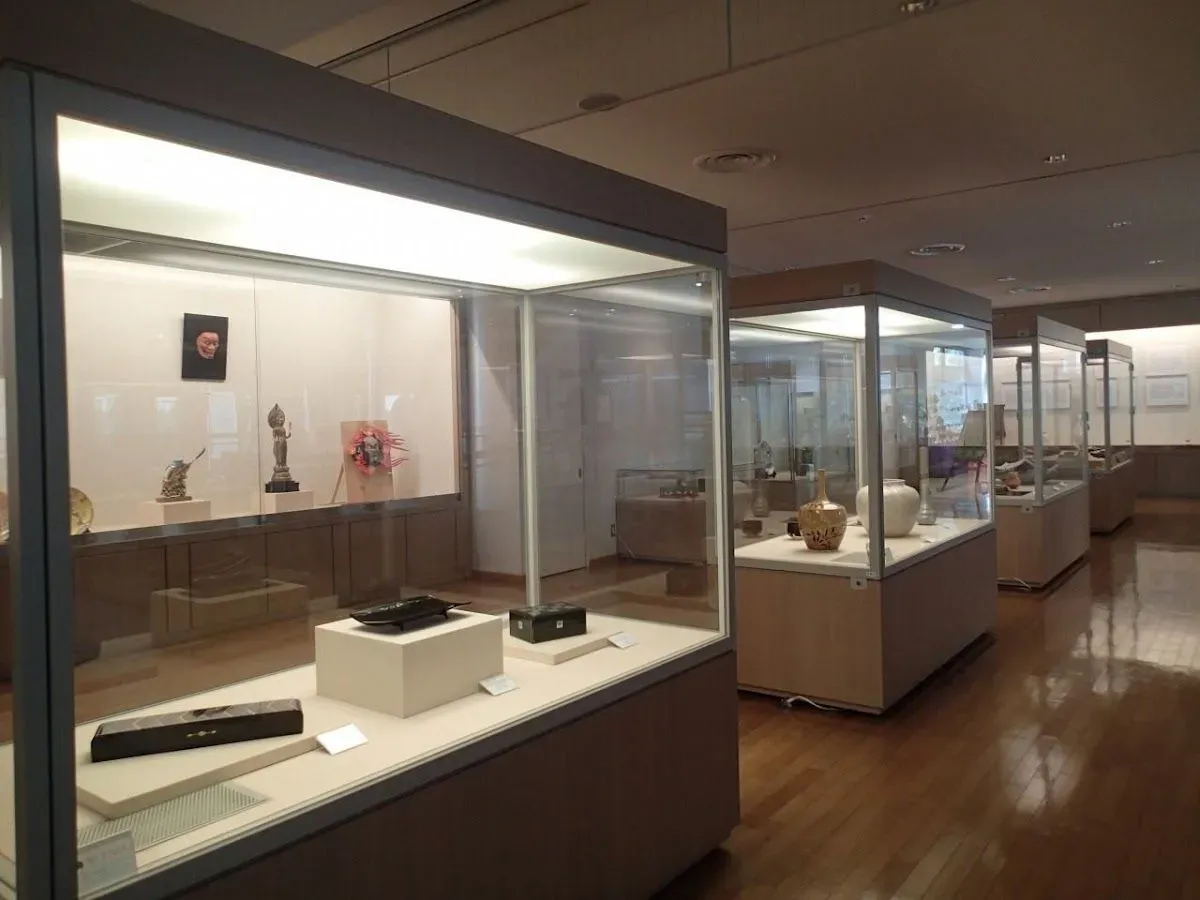
The Nara Craft Museum documents regional arts, spotlighting soot-based sumi ink sticks, single-knife ittobori woodcarving, and bleached Nara sarashi ramie textiles. Nara still manufactures roughly 90 percent of Japan's solid ink sticks using soot-scraping and animal-glue kneading techniques imported from China in the eighth century. Glass cases hold chisel-cut ittobori dolls carved from local aromatic Hinoki cypress alongside tea whisks split from black bamboo in nearby Takayama.
7. Kasugayama Primeval Forest — Centuries-Untouched Canopy Trails Above the City
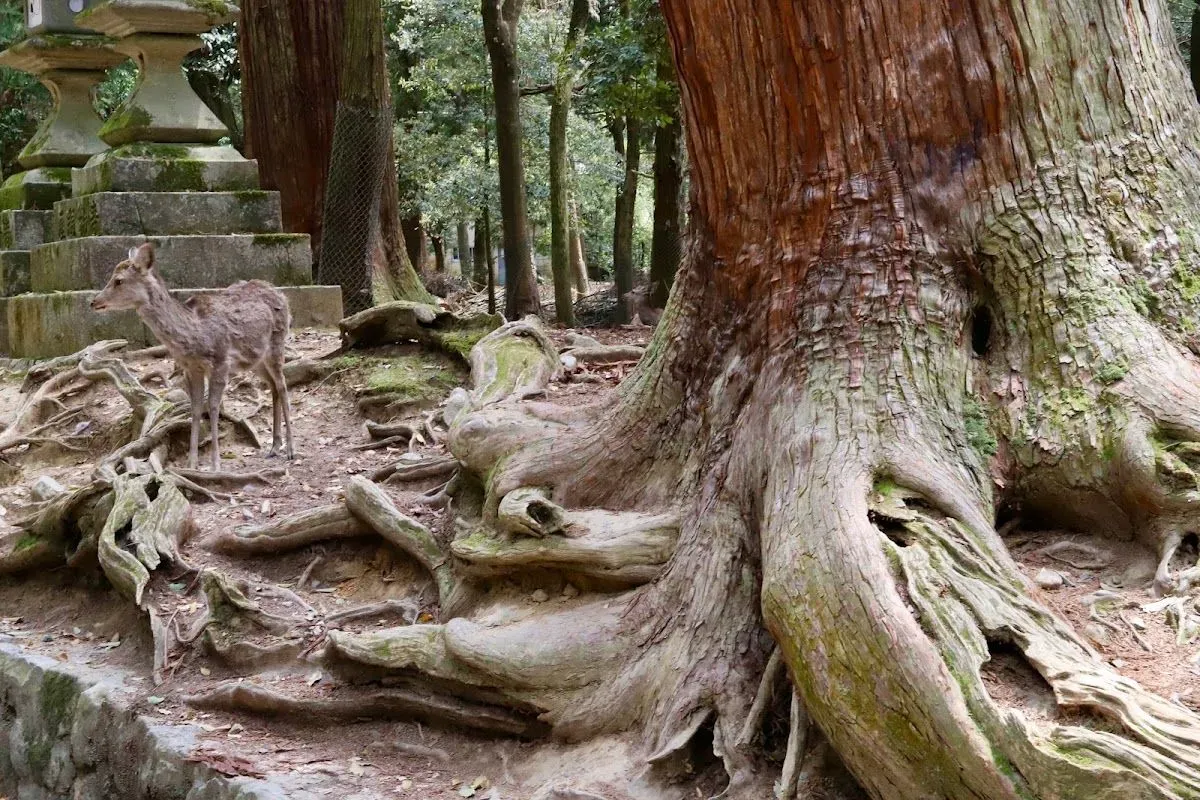
Kasugayama Primeval Forest spans 297 hectares directly behind Kasuga Taisha Shrine. An imperial decree banned hunting and logging here in 841 AD, preserving a rare tract of virgin warm-temperate forest. Fifty paces past Kasuga Taisha's stone lanterns, paved stone ends and packed dirt begins beneath towering cedar, fir, and oak canopies. The main northern gravel trail traces a clear river for two kilometers without tour groups in sight.
Experience Ancient Nara with Wabisabi
Ditch the crowded feeding loops and discover Kansai's deepest heritage on foot with our expert local guides.
Book this tour →