
November brings Kyoto's peak autumn foliage, sacred fire rituals, and geiko theater. Dodging massive tour groups requires strict timing. Here is the exact schedule, transit strategy, and ticketing reality for November 2026.
1. Kyoto November Festival Calendar — Key Dates and Foliage Windows
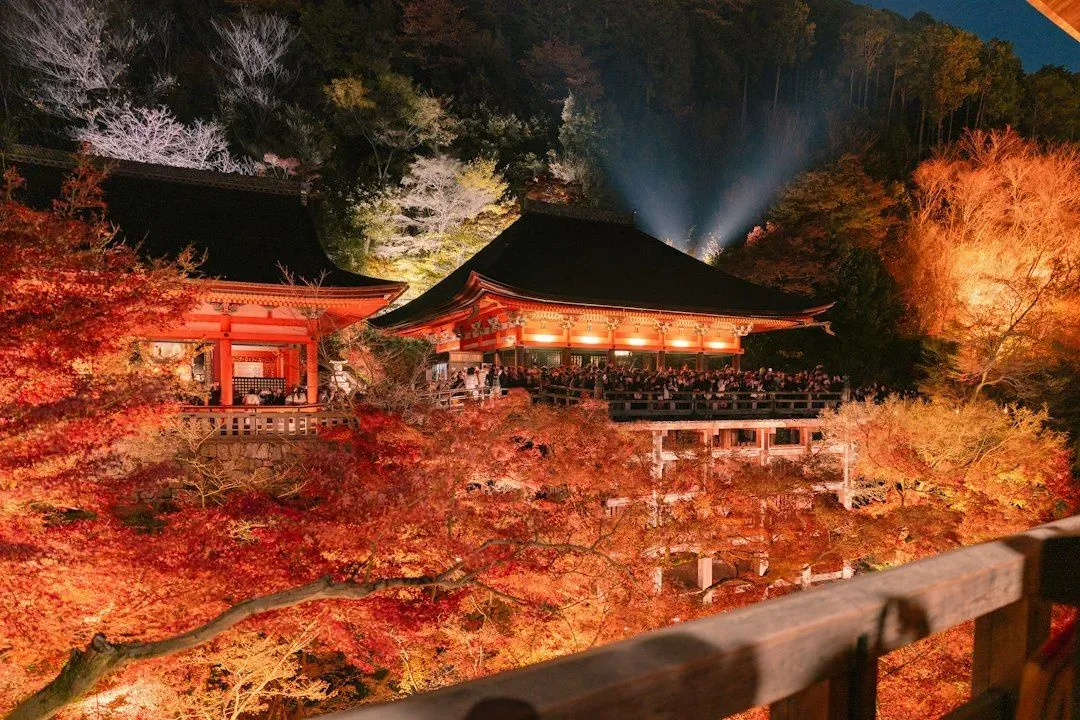
Early November centers on sacred rituals. Gion Odori runs November 1–10, followed by Tanukidani-san Fudoin's fire rites on November 3.
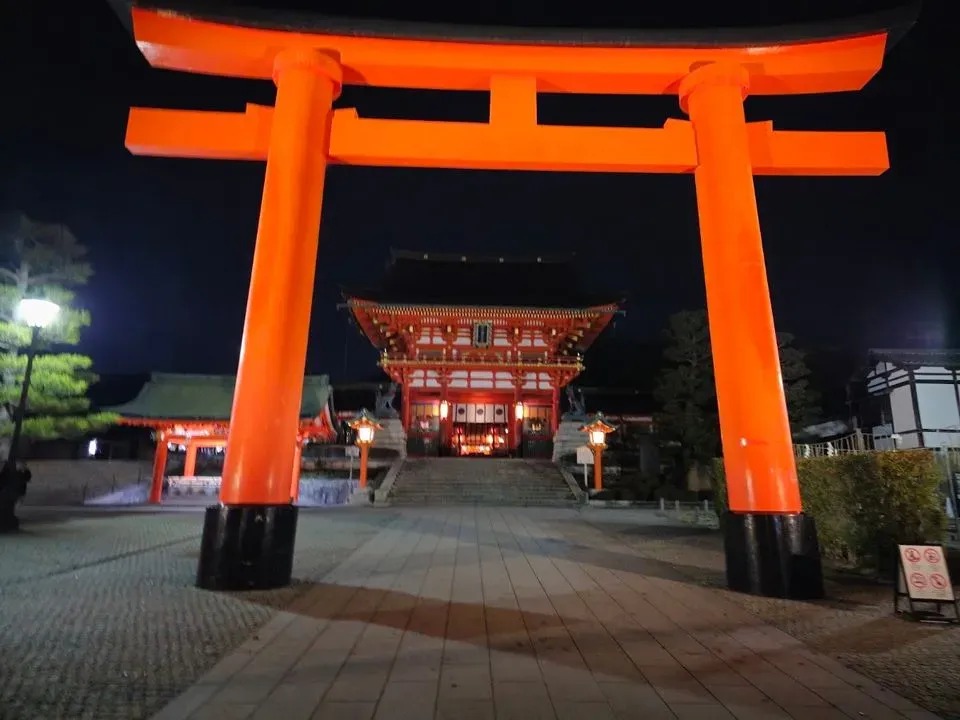
November 8 features two simultaneous headliners: Fushimi Inari's Hitaki-sai bonfire ritual and the Heian boat processions at the Arashiyama Momiji Festival.
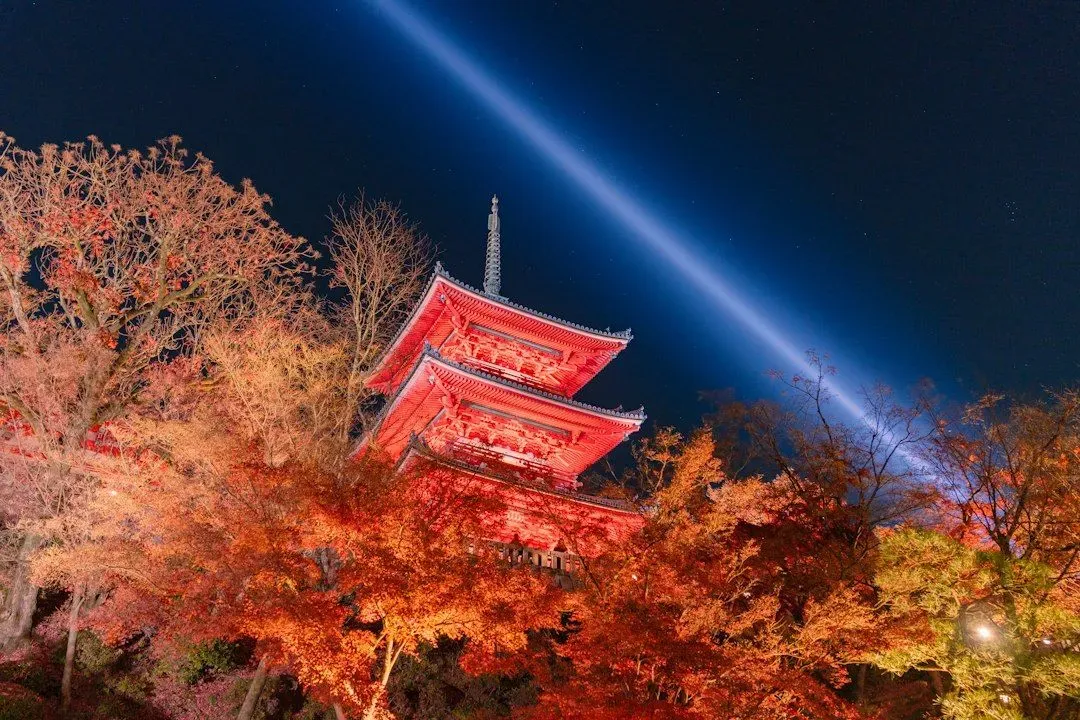
Peak autumn foliage hits temple gardens between November 18 and 28. Evening illuminations at Kiyomizu-dera and Eikando Zenrin-ji run nightly throughout this window.
2. Gion Odori — Kyoto's Intimate Autumn Geiko Dances
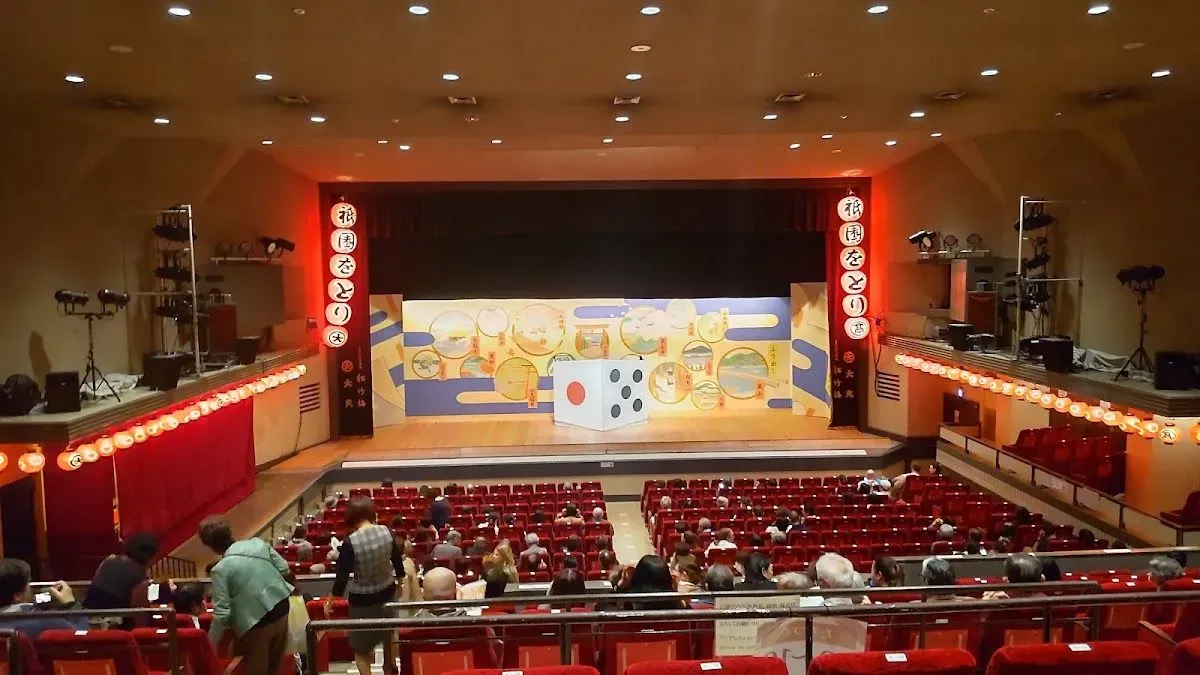
Gion Odori is the only public autumn dance among Kyoto's five geisha districts. Gion Higashi stages it at Gion Kaikan theater from November 1 to 10.
Shows run twice daily at 13:30 and 16:00. Tickets cost ¥4,500, or ¥5,000 with a tea ceremony ticket and embroidered souvenir plate.
Book four weeks ahead via convenience store kiosks or licensed agencies. For historic context before the performance, join our Private Kyoto Introduction Tour — Gion & Historic Streets.
3. Tanukidani-san Fudoin — Mountain Fire and Ascetic Rites
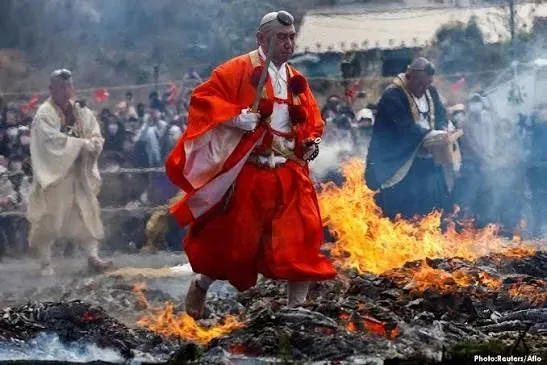
Tanukidani-san Fudoin stages its Akimi Matsuri on November 3, drawing Shugendo ascetics into the forested ridges of Ichijoji.
Yamabushi priests blow conch shells, shoot ritual arrows, and ignite a pine pyre (gomadaki), sending up a roaring column of smoke.
After the fire dies down around 14:00, priests and visitors walk barefoot across the smoldering coals. Participation is free.
4. Fushimi Inari Hitaki-sai — Bonfire Rites of Thanksgiving
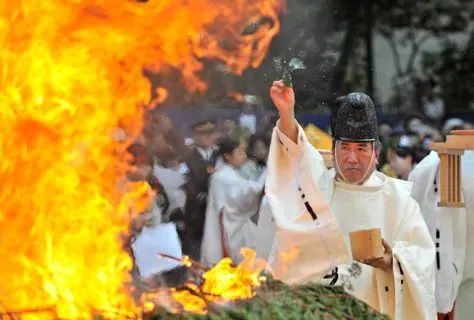
Hitaki-sai begins at 13:00 on November 8 at Fushimi Inari Taisha's main hall, giving thanks for the harvest and releasing mountain spirits.
Priests pack tens of thousands of prayer sticks (hitakigushi), sent from across Japan, into three tall cedar hearths.
Flames leap five meters high while shrine maidens dance Hitaki-mai. Crowds arrive by 11:30 to secure courtyard spots.
5. Arashiyama Momiji Festival — Heian Pageantry on the Oi River
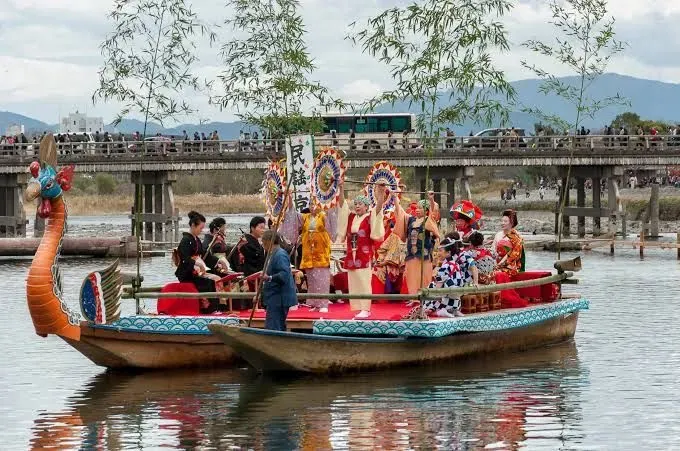
Held the second Sunday of November, the Arashiyama Momiji Festival turns the Oi River into an open-air Heian royal excursion on November 8, 2026.
Five wooden boats cruise upstream from Togetsukyo Bridge. Costumed performers recite waka poetry, play gagaku flutes, and stage Noh theater.
Viewing from the riverbank is free. Book our Full-Day Kyoto Tour: Arashiyama Bamboo Grove, Nishiki Market & Gion to see the flotilla after visiting the bamboo grove before crowds arrive.
6. Kitano Tenmangu Ocha-tsubo Hōkensai — The Historic Tea Jar Arrival
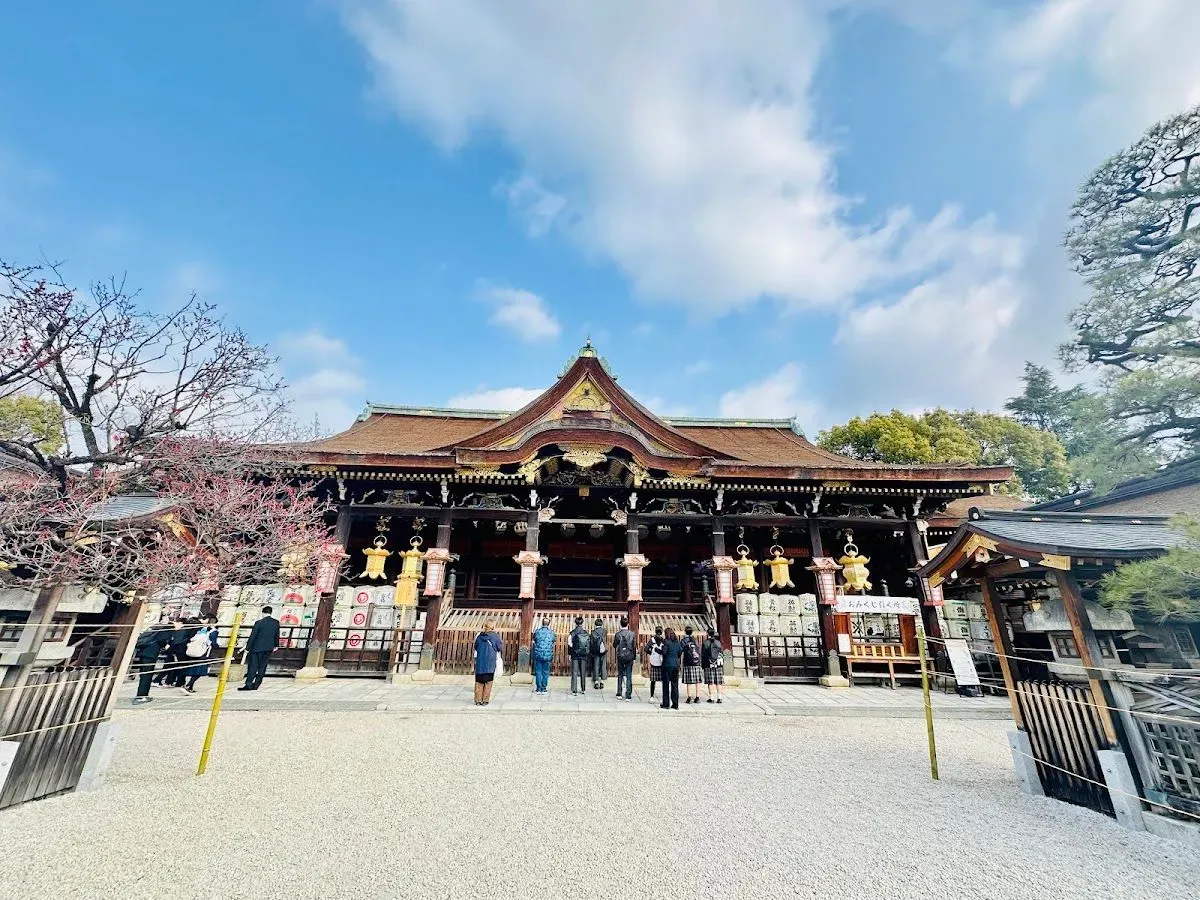
Kitano Tenmangu holds the Ocha-tsubo Hōkensai on November 26 at 09:00, reenacting Toyotomi Hideyoshi’s 1587 Grand Kitano Tea Ceremony.
Earthenware jars of Uji tea leaves age all summer atop Mount Atago. On the shrine steps, tea masters break the wax seals to inspect the leaf.
Watch the formal procession and jar unsealing from the main courtyard. Arrive by 08:30 to catch the tea guild marching in Edo-period attire.
7. Eikando Zenrin-ji — The Defining Autumn Night Illumination
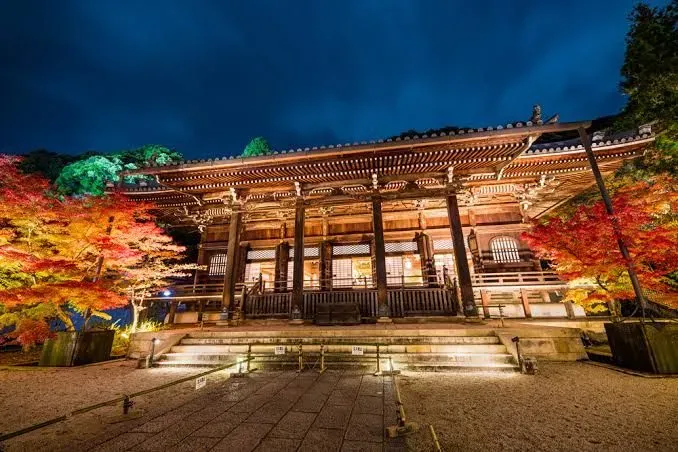
Eikando Zenrin-ji holds over 3,000 Japanese maples. Night viewing runs from 17:30 to 21:00 between mid-November and early December.
Day admission costs ¥1,000; the evening illumination is ¥600. The temple clears its grounds at 17:00, forcing evening crowds to queue along the perimeter wall.
Around Hojo Pond, red maples and the Tahoto pagoda mirror on dark water. Arrive at 19:45 to skip the opening line.
8. Kiyomizu-dera — Blue Laser Beams Over Higashiyama
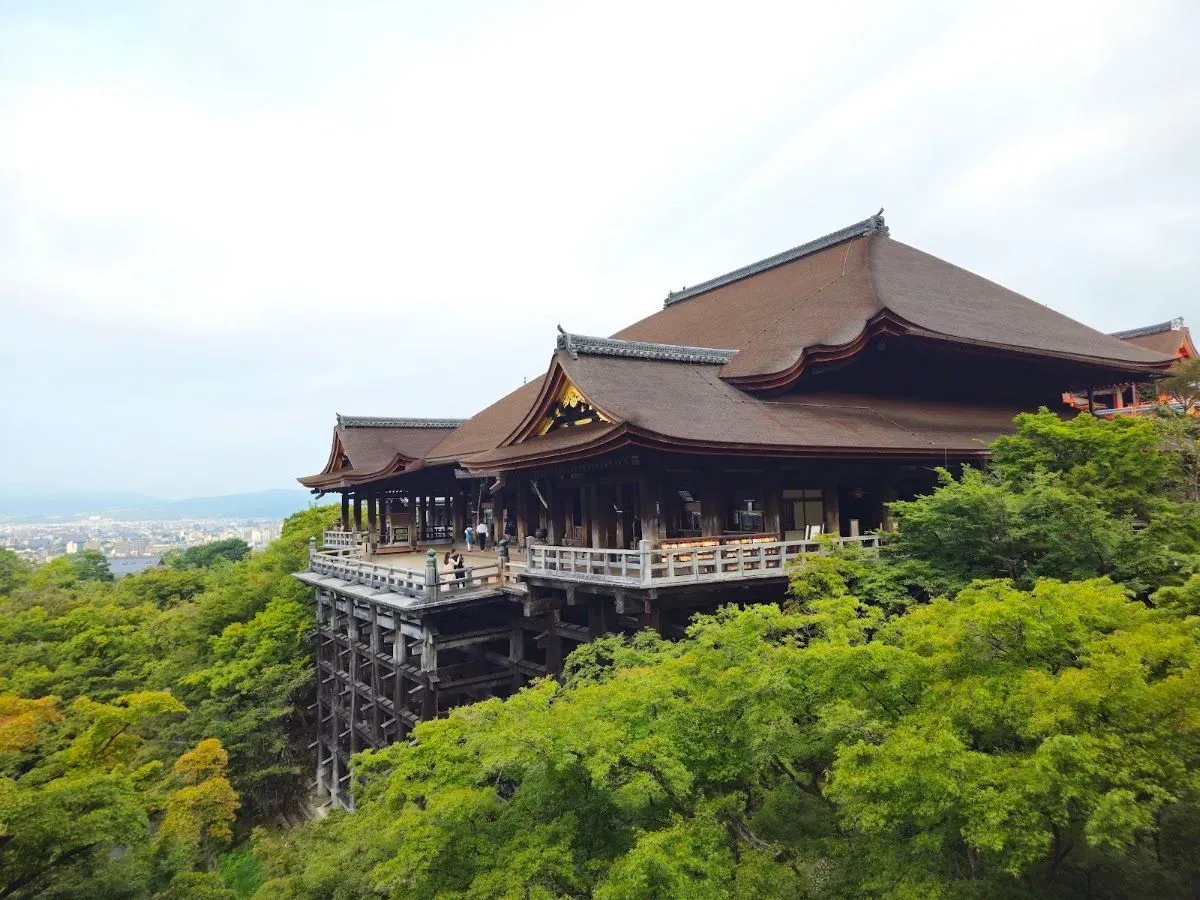
Kiyomizu-dera illuminates its timber stage and hillside maples from mid-November through early December. Gates close at 21:30; ticket sales end at 21:00.
A single beam of blue light cuts across the Kyoto skyline from the temple, symbolizing the mercy of Kannon Bodhisattva.
Admission costs ¥400. Skip the gridlock on Kiyomizu-zaka by climbing Chawan-zaka instead; it sees far fewer tour buses.
9. Tofuku-ji Tsutenkyo Bridge — Surviving the Sea of Red Maples
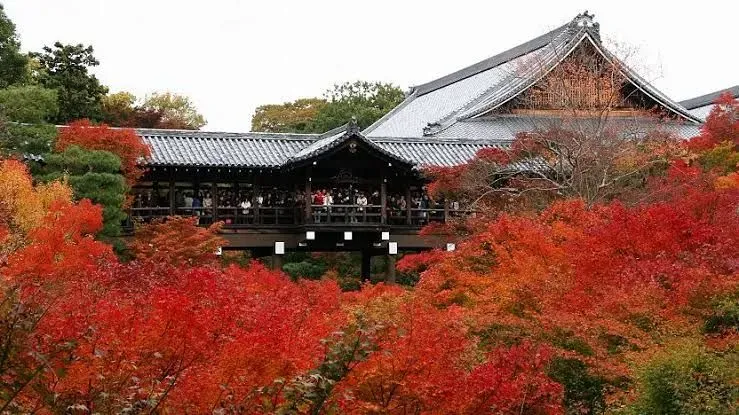
Tofuku-ji packs 2,000 trident maples into the Sengyokukan ravine. The Tsutenkyo covered bridge crosses straight above the red canopy.
Bridge and Hojo garden admission costs ¥1,000 in peak season. Gates open at 08:30, but weekend queues start by 07:45.
Staff prohibit tripods, selfie sticks, and lingering on the wooden bridge. Head into the ravine paths for clear foliage photos.
10. Chion-ji Autumn Book Market — 200,000 Vintage Tomes and Prints
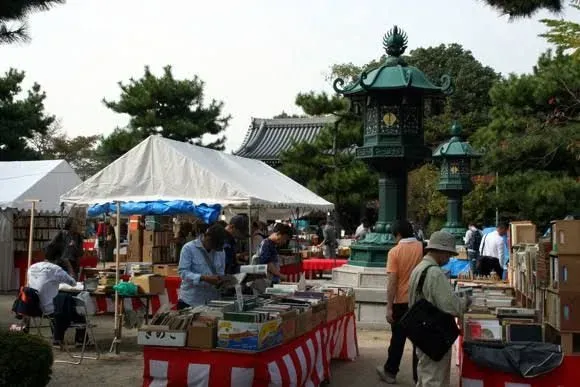
The Aki no Kosho Matsuri fills Chion-ji’s gravel courtyards near Kyoto University during November's first week, running 10:00 to 17:00.
Forty antique booksellers erect stalls with 200,000 items, including Edo-era woodblock maps, art folios, postwar literature, and vintage typography posters.
Entry is free. Most dealers take cash only, so bring plenty of 1,000-yen notes for rare prints.
11. Sennyu-ji Koyo Craft Fair — Direct Kiln Pottery in the Kiln Valley
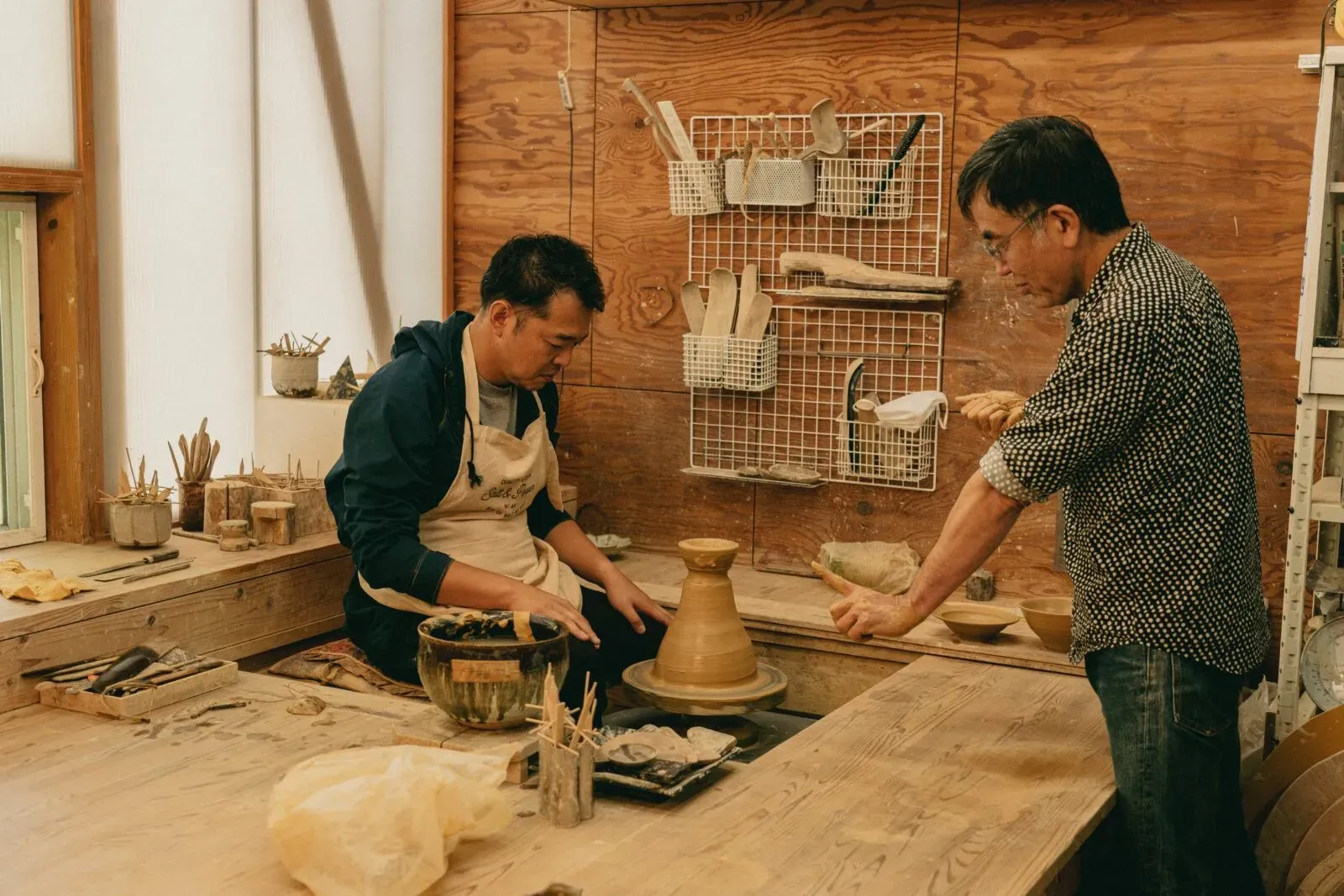
Sennyu-ji hosts its Autumn Leaf Pottery Festival (Koyo Matsuri) across November's third weekend. Fifty workshops sell outdoors along the valley road.
Local artisans sell Kiyomizu-yaki stoneware and porcelain directly to shoppers at 30 to 50 percent below department store prices.
Stalls operate 09:00 to 16:30 along the road between Tofuku-ji and Sennyu-ji, offering a quiet alternative to Higashiyama's commercial storefronts.
12. Kyoto University November Festival — Kansai's Largest Student Fair
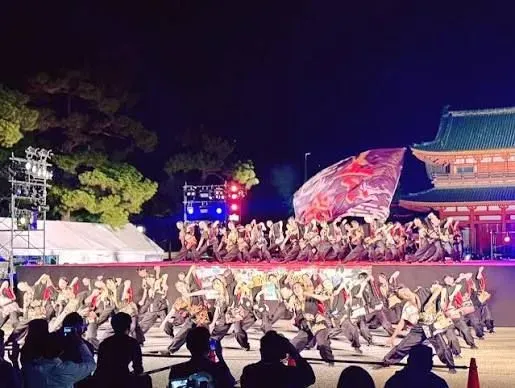
Kyoto University hosts its November Festival (NF) on Yoshida Campus during late November over the Labor Thanksgiving holiday weekend.
Over 100 student clubs run stalls serving okonomiyaki and fried chicken alongside live comedy and underground music sets.
Admission is free. The festival reveals student subcultures, political satire, and everyday campus life at Japan's most eccentric university.
13. Kyoto Crowd Navigation — Avoiding Gridlock During Peak November
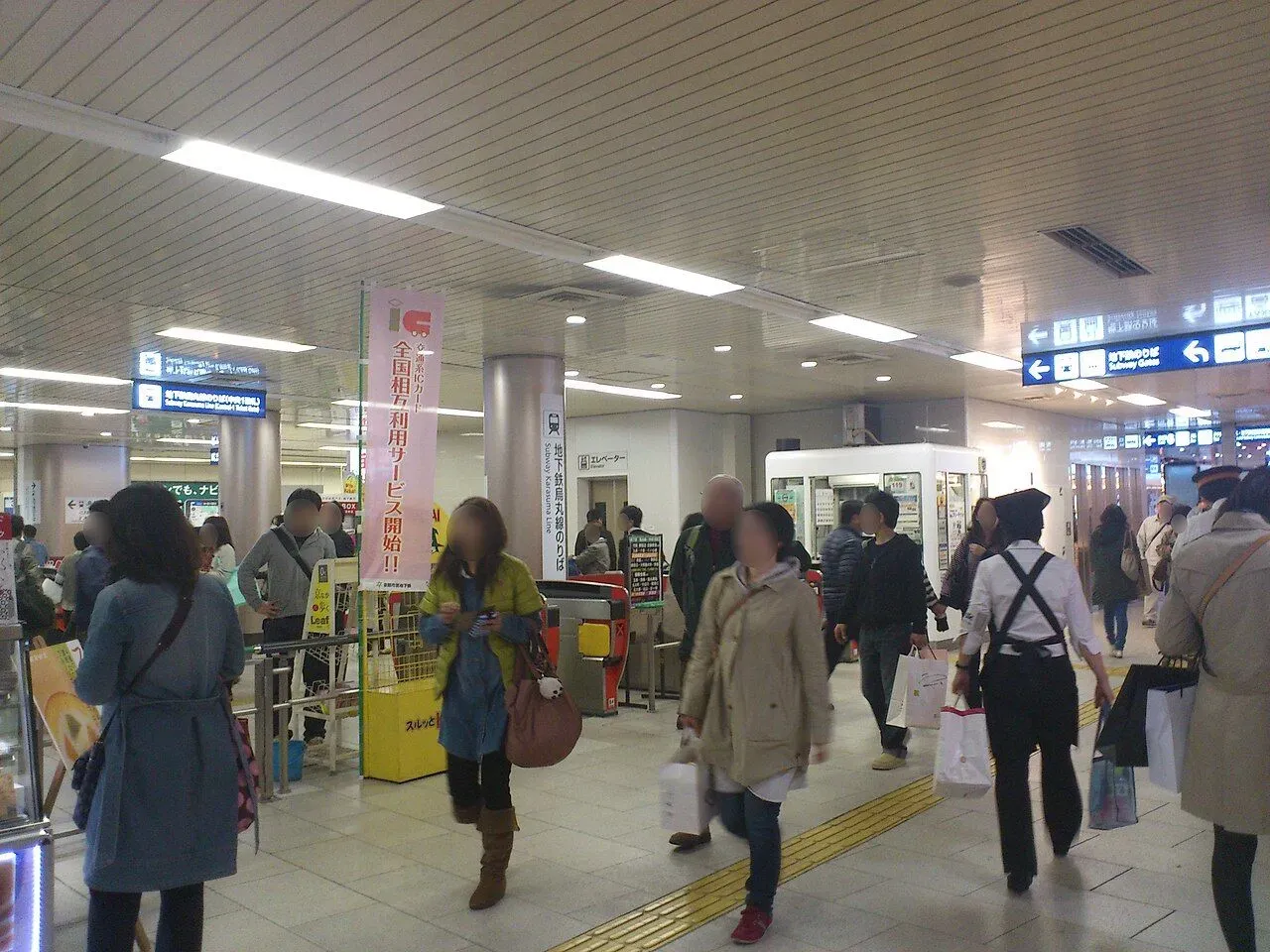
Kyoto city buses stall in late November. Thoroughfares like Higashioji-dori gridlock, turning a 15-minute ride into a 90-minute crawl.
Take the Kyoto Municipal Subway, Keihan, or Hankyu rail lines instead. Walking from stations to temple gates beats sitting on jammed buses.
To navigate Higashiyama’s back alleys away from bus traffic, take our Kyoto Walking Tour with local guides.
14. Autumn Dining in Kyoto — Seasonal Matsutake, Yudofu, and Inoko Mochi
November brings warming seasonal dishes to Kyoto dining tables.
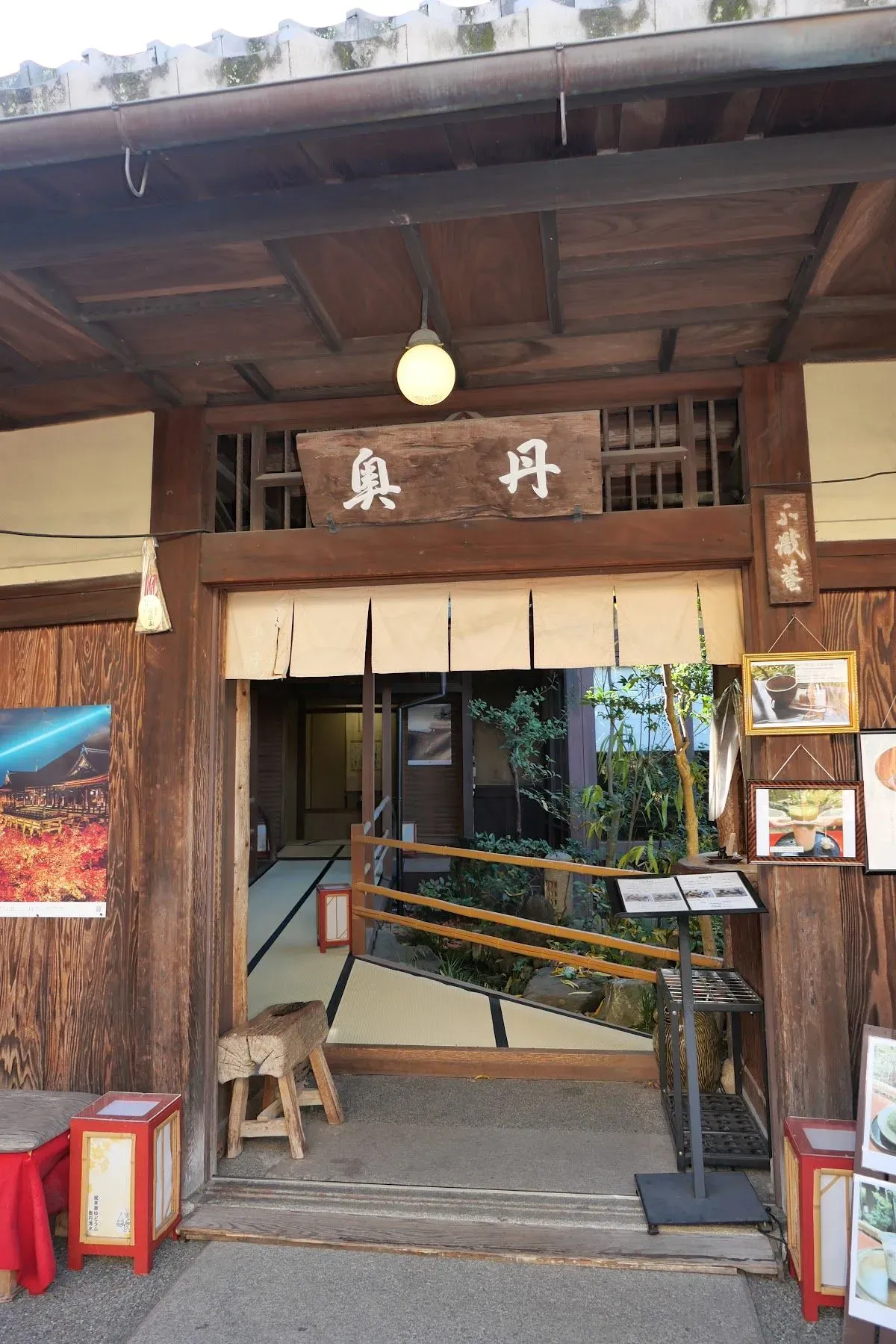
Eat yudofu—silken tofu simmered in kombu broth with ginger and soy—near Nanzen-ji at historic restaurants like Okutan.
Order matsutake dobin mushi, wild pine mushrooms and chicken steamed in an earthenware pot. Confectioners sell Inoko mochi, boar-shaped rice cakes eaten for winter health.
Experience Kyoto Autumn with Wabisabi
Skip the congested buses and discover quiet temple corners and seasonal lantern-lit streets with our resident Kyoto guides.
Book this tour →