Osaka City Museum of Fine Arts
Good to know before you go
- Getting there
- Tennoji Station · 10 min walk (JR Osaka Loop Line, JR Yamatoji Line, JR Hanwa Line)
- Hours
- 9:30–17:00 (last entry 16:30); closed Mondays (or next weekday if Monday is a holiday) and Dec 28–Jan 4
- Admission
- ¥500 (adults), ¥200 (high school and university students), free for junior high school students and under; special exhibitions require separate admission fees
- Time needed
- 60–120 min
- Best time to go
- Weekday mornings around opening time at 9:30 to view the galleries and central hall before tour groups arrive
Hours can change on holidays — check the official site before travelling.
About
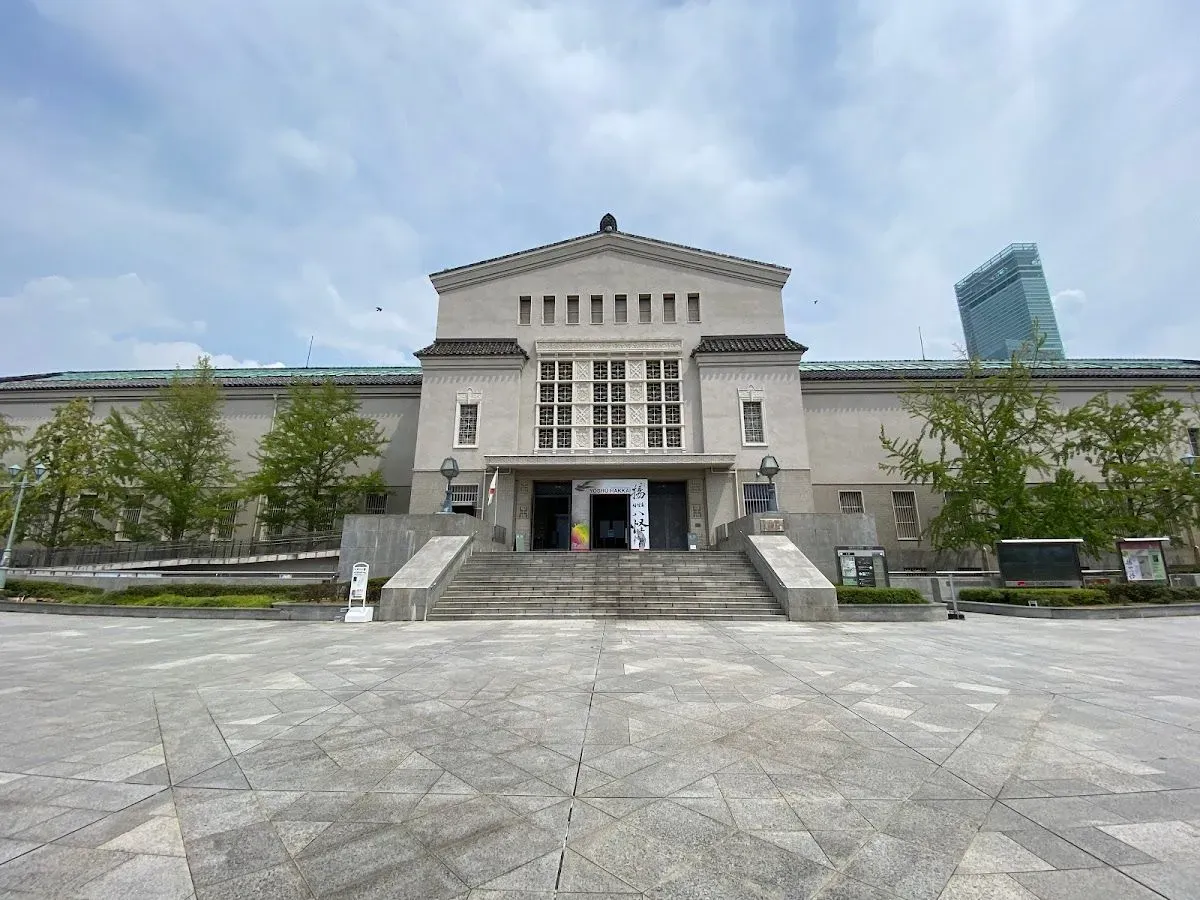
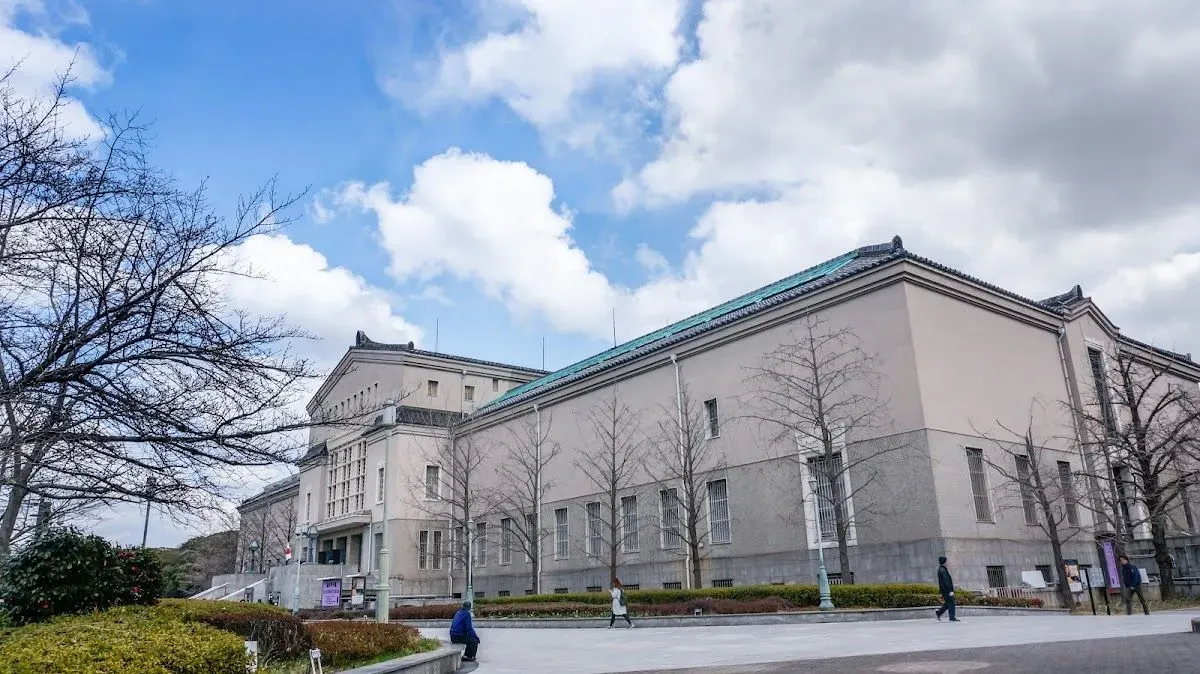
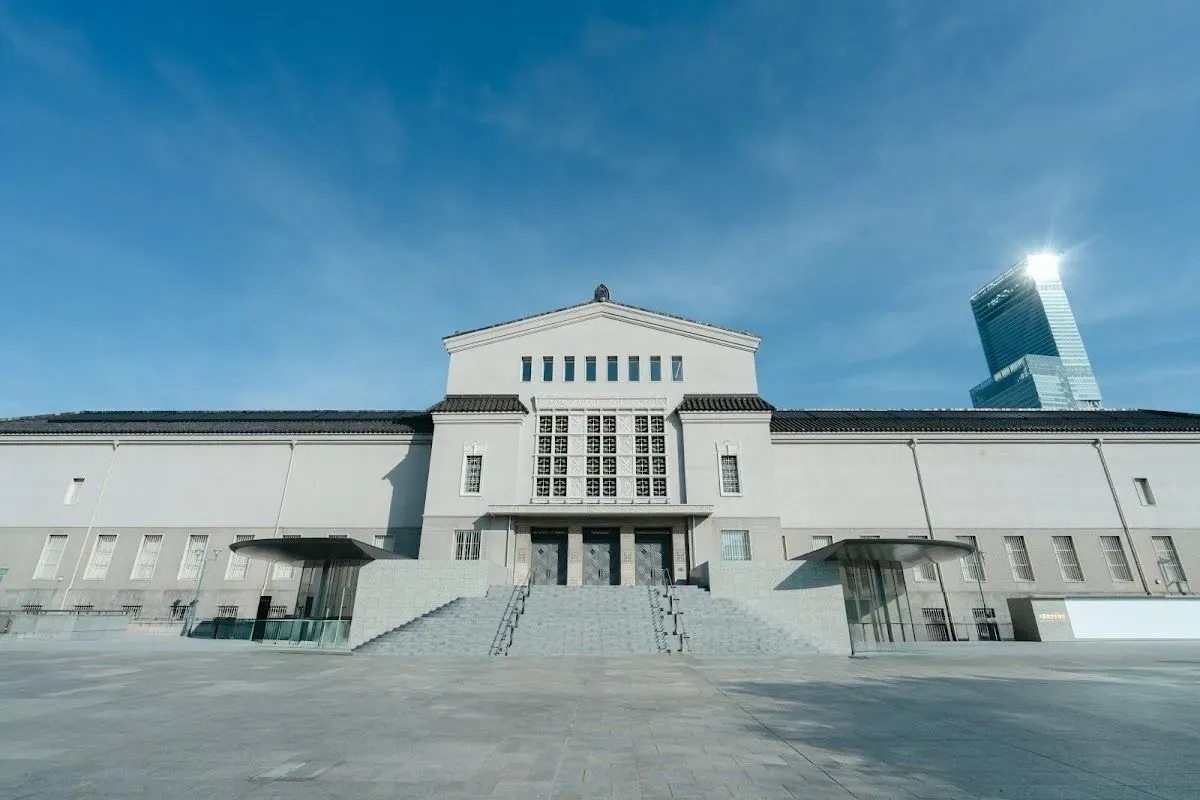
Housed in an elegant 1930s building in Tennoji Park, this museum is a treasure trove for lovers of East Asian art, boasting over 8,500 works including National Treasures. It is highly regarded for its world-class Chinese paintings and calligraphy, alongside exquisite Japanese Buddhist art and Edo-period paintings. Visitors can expect a quiet, contemplative atmosphere and beautifully curated rotating exhibitions.
What Japanese guides note
The museum is set inside Tennoji Park, requiring visitors to walk approximately 400 meters through park pathways after departing Tennoji Station. Admission fees for temporary special exhibitions and standard collection displays are priced separately, though the restored historic central hall, basement shop, and café require no ticket. Visitors regularly integrate their gallery visit with walks through the adjoining Keitakuen Japanese garden and historic Chausuyama.
Details from local sources
- The museum grounds were donated to Osaka City in 1921 by the Sumitomo family along with the Keitakuen garden specifically for the purpose of establishing a municipal art museum. [source]
- When the museum held its opening ceremony on May 1, 1936, the institution owned zero artworks in its permanent collection and relied entirely on pieces deposited by shrines, temples, and private collectors. [source]
- The main building was formally registered by the national government as a Registered Tangible Cultural Property in 2015. [source]
- The extensive renovation completed in 2025 converted the building's first-floor central hall into a ticket-free public zone. [source]
Insider Tip
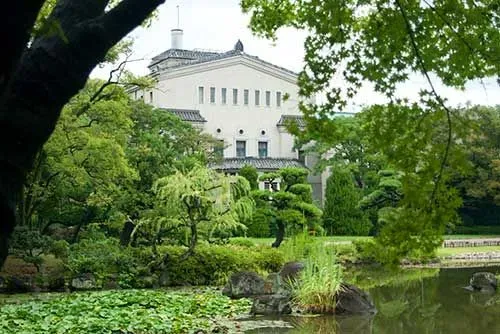
Combine your visit with a stroll through the adjacent Keitakuen Garden, a traditional Japanese garden designed by Jihei Ogawa.
Frequently asked
Can I enter the museum without an exhibition ticket?
Yes. Visitors can enter without an admission ticket to access designated public zones, including the central hall on the first floor, the museum shop in the basement, and the on-site café ENFUSE. Gallery admission tickets are only required when entering specific exhibition halls.
Can I take photographs inside the museum?
Photography inside the exhibition rooms is prohibited unless explicitly announced for a specific exhibition. Taking personal photos is permitted in designated free-access areas such as the central hall. However, tripods, monopods, selfie sticks, and gimbals are forbidden throughout the entire building.
Are luggage lockers available inside the building?
Yes. Coin-return lockers requiring a 100-yen deposit are situated on the second basement level, the first basement entrance, and the first floor. Visitors traveling with oversized suitcases or bulky items that cannot fit into standard lockers can inquire at the reception counter.
Can I re-enter the exhibition galleries with the same ticket?
No. Re-entry into the exhibition galleries is not allowed once you exit. Visitors should finish browsing, checking displays, and using amenities in the gallery sections before passing through the one-way ticket gates back into the public hall.
Our Osaka walking tours


On the same walk
Photos