Tennoji Zoo
Good to know before you go
- Getting there
- Dōbutsuen-mae Station · 5 min walk (Osaka Metro Midōsuji Line, Osaka Metro Sakaisuji Line)
- Hours
- 9:30–17:00 (last entry 16:00; until 18:00 on Saturdays, Sundays, and public holidays in May and September); closed Mondays (following weekday if Monday is a holiday) and Dec 29–Jan 1
- Admission
- ¥800 (adults), ¥200 (elementary and junior high students outside Osaka city), free (preschool children)
- Time needed
- 1–2 hours
- Best time to go
- Weekday mornings from 9:30 AM, or timed to designated feeding sessions (ごはんタイム・おやつタイム) when animal movement is highest and general foot traffic is lighter
Hours can change on holidays — check the official site before travelling.
About
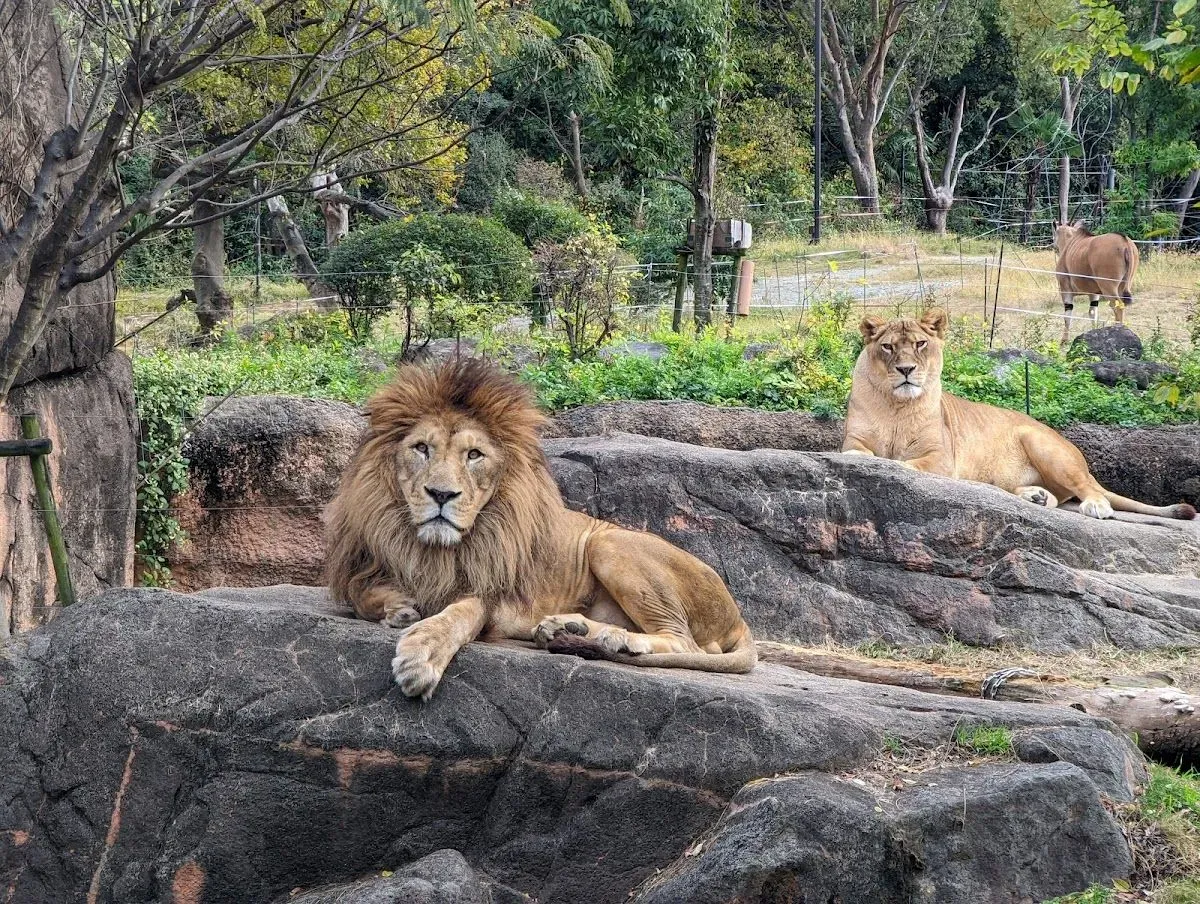
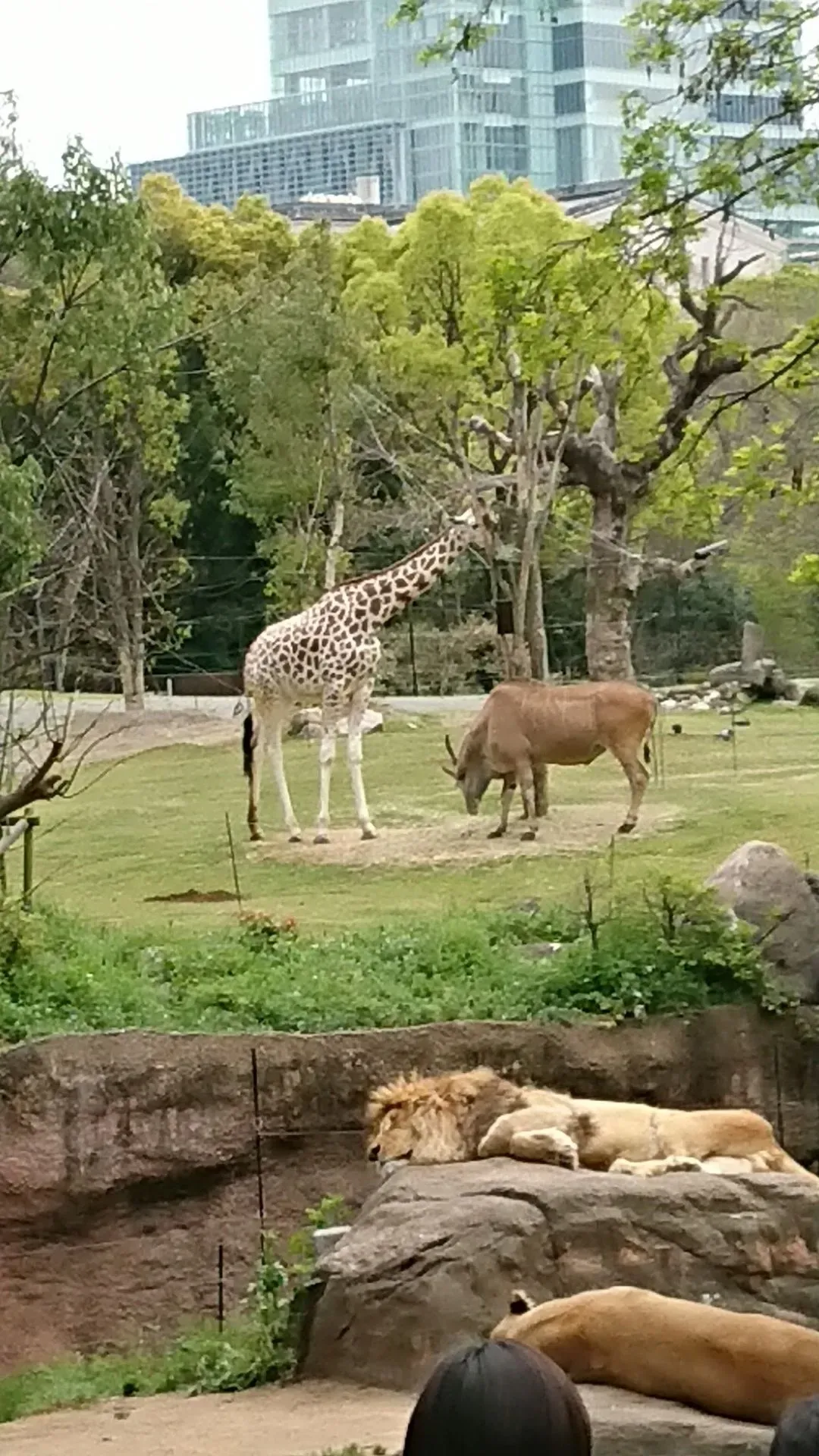
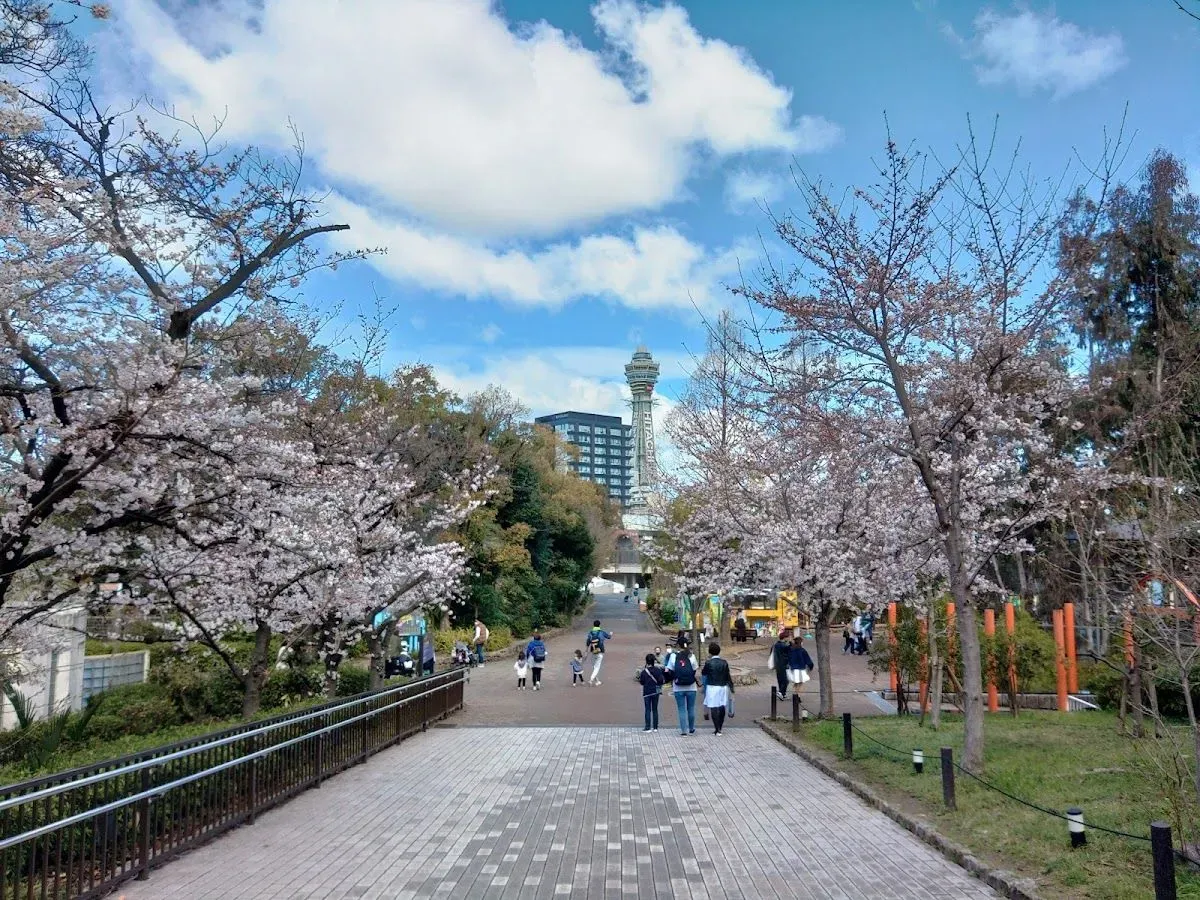
Located inside Tennōji Park, this historic zoo houses over 1,000 animals across 200 species in thoughtfully designed ecological habitats, including an African Savanna and a tropical rainforest zone. It offers a nostalgic, family-friendly urban escape with views of the nearby Tsutenkaku Tower. Expect a mix of older-style exhibits and modern, naturalistic enclosures right in the heart of Osaka.
What Japanese guides note
Japanese guides routinely recommend using Tennoji Zoo as a pedestrian conduit connecting two contrasting urban districts: the open grassy lawns of Tennoji Park (Tenshiba) and the nostalgic alleys of Shinsekai. Entering through Tenshiba Gate from Tennoji Station and exiting through Shinsekai Gate directly beneath Tsutenkaku eliminates unnecessary backtracking across the eleven-hectare grounds. Visitors wishing to leave midway for a meal in Shinsekai can re-enter freely before the 16:00 cutoff by retaining their tickets.
Details from local sources
- Tennoji Zoo is the only zoo in Japan that keeps the drill, lesser yellow-headed vulture, and Chinese wolf. [source]
- The zoo permits same-day re-entry simply by presenting the paper ticket stub or mobile ticket screen to attendants at either gate before final admission. [source]
- The African Savanna zone incorporates a subterranean hippo viewing pool designed for observing hippos swimming underwater through glass panels. [source]
- General adult admission was revised to 800 yen starting July 1, 2026, marking the facility's first fee update in years while retaining free entry for preschool children. [source]
Insider Tip
Enter via the Shinsekai Gate to combine your visit with a lunch of famous kushikatsu skewers in the retro neighborhood right outside.
Frequently asked
Can I leave Tennoji Zoo for lunch and re-enter later?
Yes. Same-day re-entry is permitted at both gates. Visitors need only show their paper ticket stub or electronic ticket screen to the gate attendant before the final entry cutoff, which is 16:00 under normal schedules and 17:00 on select holiday dates.
Which entrance should I use when arriving by train?
Arrive via Tenshiba Gate if coming from Tennoji Station or Kintetsu Osaka-Abenobashi Station through the park lawn. Choose Shinsekai Gate if arriving from Osaka Metro Dobutsuen-mae Station, Ebisucho Station, or JR Shin-Imamiya Station, which places you right next to the Shinsekai dining district.
Which animals are exclusively kept at Tennoji Zoo in Japan?
Tennoji Zoo is the only institution in Japan that maintains the drill monkey (Mandrillus leucophaeus), the lesser yellow-headed vulture, and the Chinese wolf. Visitors can see these unique species within the African Savanna, predatory mammal enclosures, and dedicated aviary areas.
What payment methods are accepted at the zoo ticket gates?
Ticket windows accept major credit cards (Visa, Mastercard, JCB, American Express, Diners Club, UnionPay, Discover), IC transit cards (such as ICOCA and Suica), electronic money (iD, QUICPay, WAON, nanaco), and code apps including PayPay, au PAY, Merpay, d-barai, Rakuten Pay, Alipay, and WeChat Pay.
Our Osaka walking tours


Photos