
Japan’s modern landscape hides a parallel world of decaying concrete, rusting rollercoasters, and silent mining towns reclaimed by nature. Known as haikyo (ruins), these abandoned places offer a haunting, poetic glimpse into the nation's rapid industrial past. Here are eight captivating, legally accessible ruins that prove decay can be incredibly beautiful.
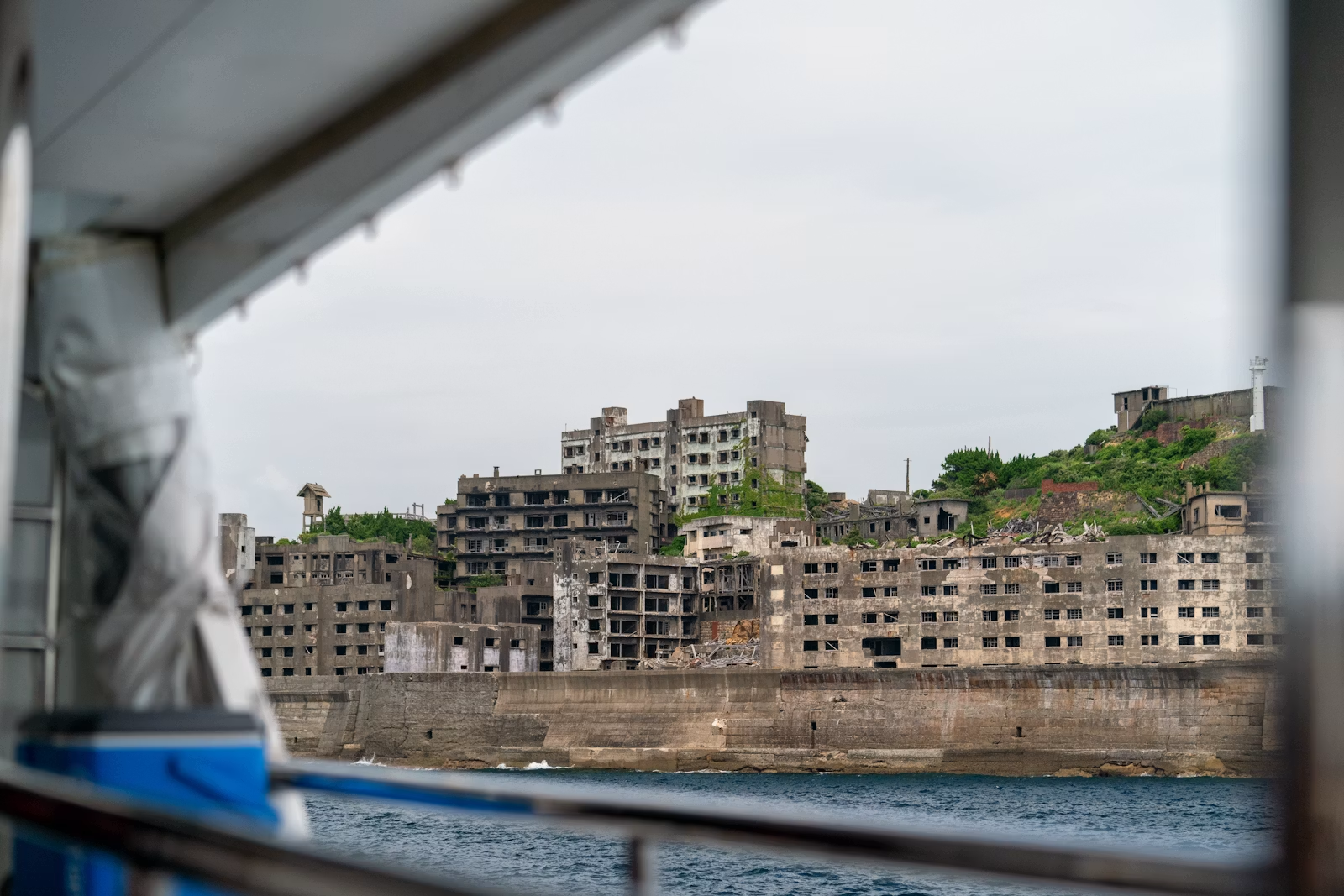
Gunkanjima — The Haunting Battleship Island of Nagasaki
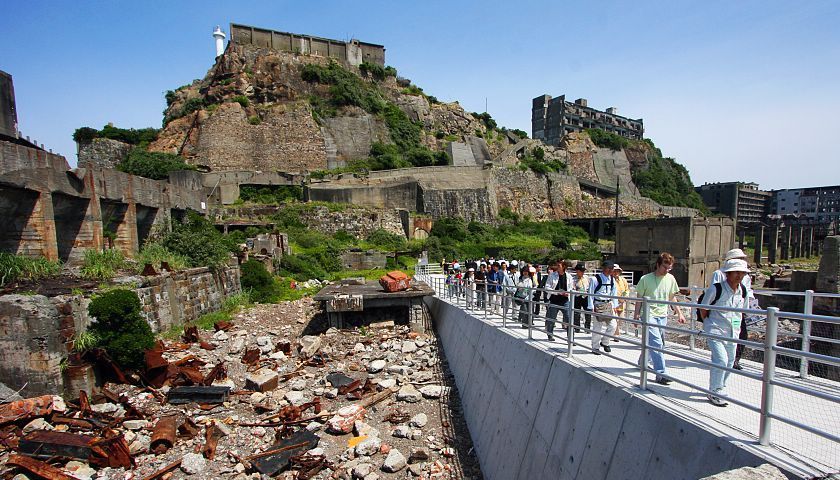
Gunkanjima, situated exactly 15 kilometers off the coast of Nagasaki, is a legendary, completely abandoned island fortress that once squeezed over 5,200 undersea coal miners into a tiny 6.3-hectare concrete footprint before closing down abruptly in the year 1974. Step onto this concrete battleship and feel the sudden chill of a community frozen in time. Crumbling apartment blocks, rusted televisions, and empty schoolrooms stand battered by the East China Sea. After your maritime adventure, head back to Tokyo to explore historic alleyways on our Ueno Temples & Ameyoko Market Walking Tour - Culture + Food + Shopping.
Tomogashima Island — Real-Life Castle in the Sky Ruins
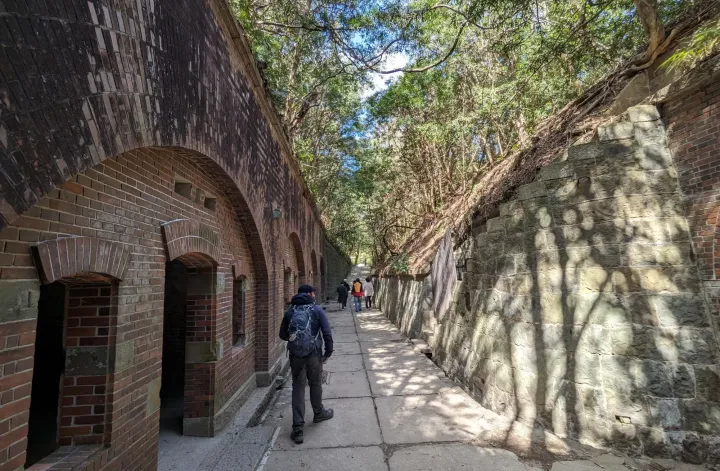
Tomogashima is a cluster of four uninhabited islands in Wakayama Prefecture that features eerie, red-brick military fortresses and deep ammunition depots built by the imperial government in the late 19th century and abandoned immediately after World War II. Nature is aggressively reclaiming these military batteries, draping red brick in thick green ivy and moss. Walking through the dark, damp tunnels feels like stepping directly into Studio Ghibli's Laputa. If you love discovering hidden, history-steeped corners of Japan, check out our Hidden Tokyo - Peaceful Gardens, Historic Shrines & Old Town Streets tour.
Osarizawa Mine — A Subterranean Golden Labyrinth
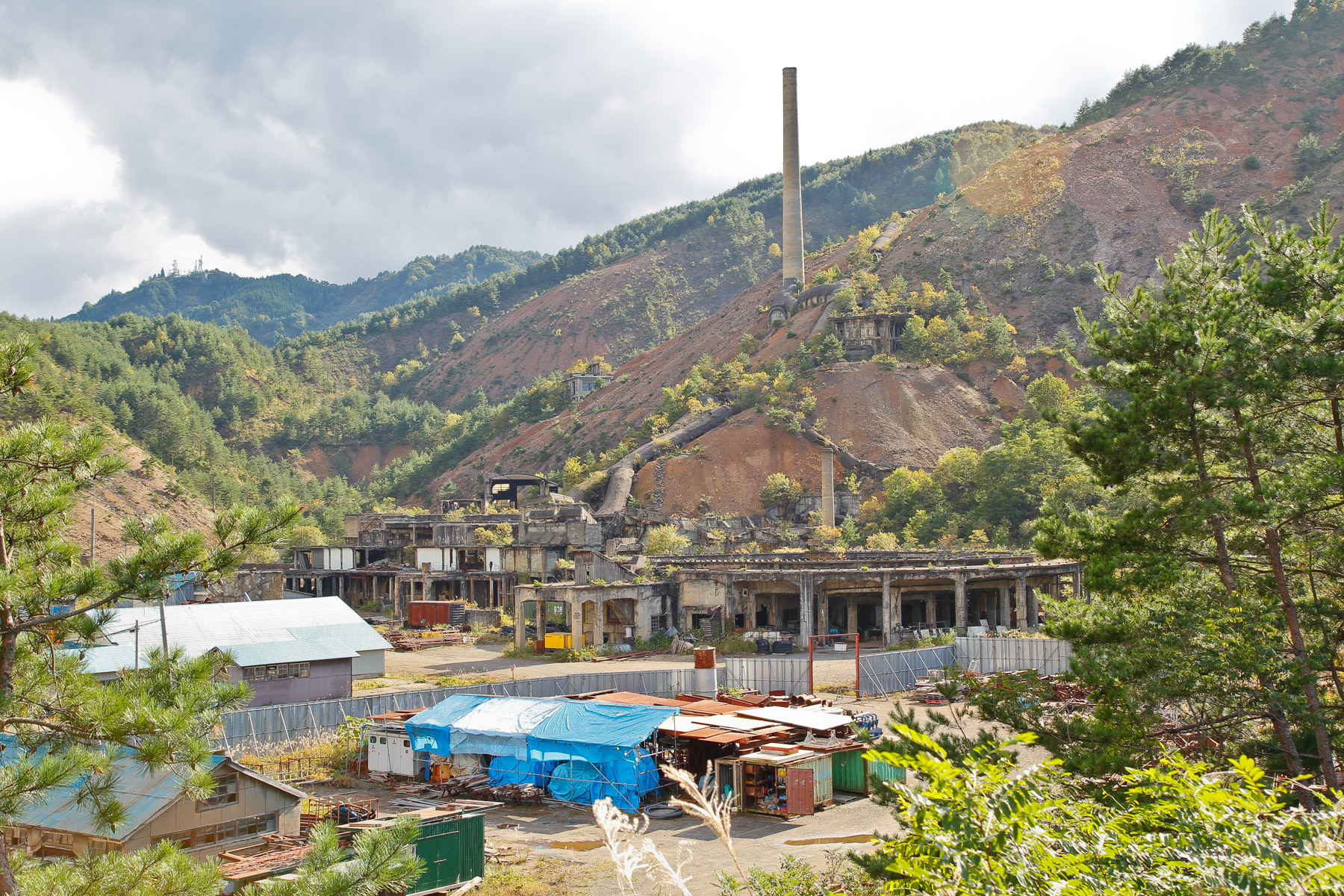
Osarizawa Mine in Akita Prefecture is a massive, 1,300-year-old copper and gold mining facility containing over 800 kilometers of subterranean tunnels, with a key 1.7-kilometer section safely open to the public since its official closure in 1978. The massive exterior processing plant clings to the mountain like an industrial Mayan temple. Inside, the damp, 11°C tunnels showcase preserved mining equipment, eerie wax figures, and ancient hand-carved shafts. It is an incredible, chilling monument to Japan's early industrial revolution that feels completely frozen in time.
Okunoshima — The Dark History of Rabbit Island
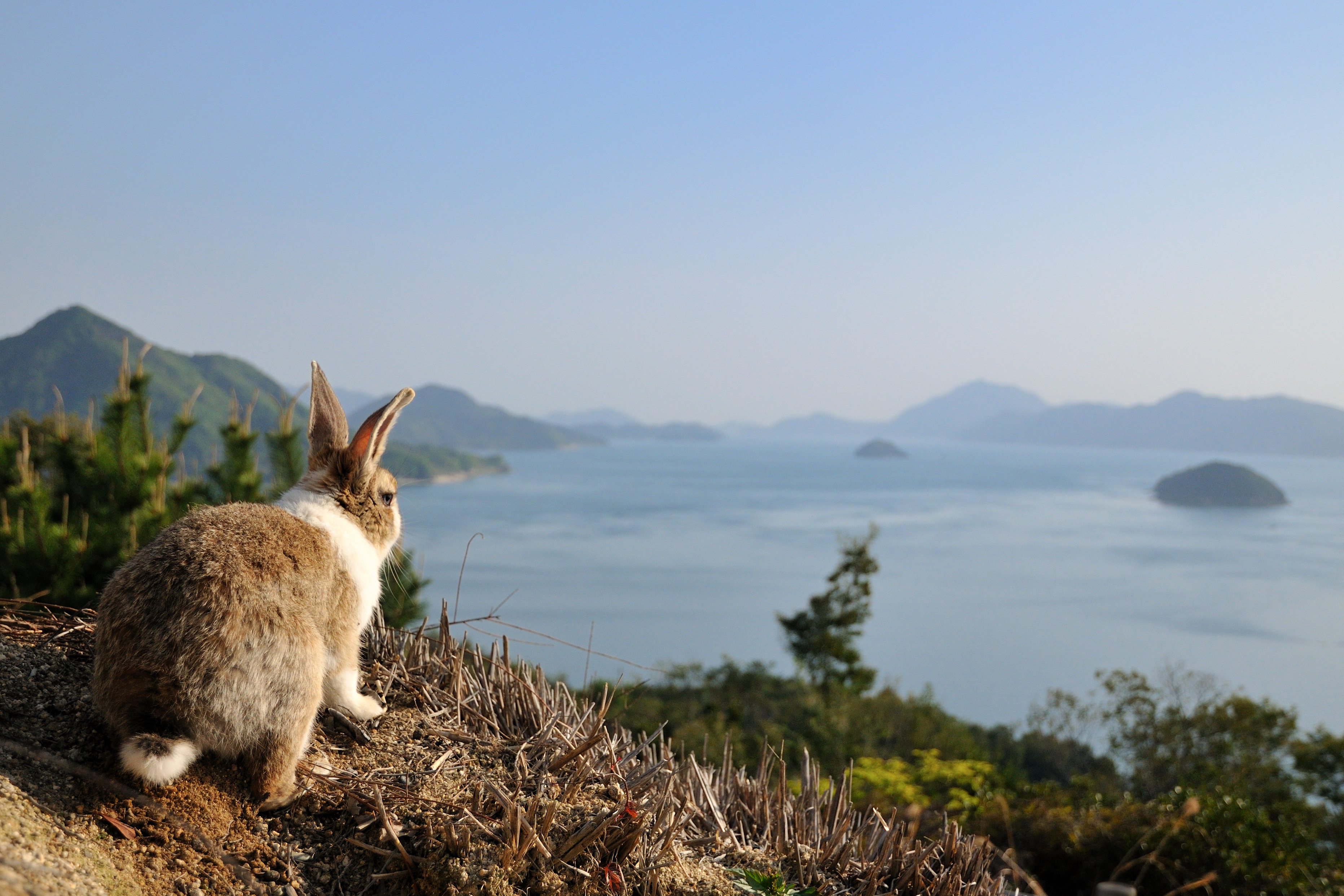
Okunoshima is a small island in Hiroshima Prefecture that secretly housed a massive, top-secret poison gas manufacturing plant from 1929 to 1945, which is now overrun by a population of over 1,000 friendly, wild rabbits. The contrast here is surreal. Hundreds of fluffy rabbits beg for food right outside the crumbling, soot-stained walls of the abandoned poison gas power plant. It is a haunting reminder of wartime secrets wrapped in an incredibly cute, modern-day animal sanctuary.
Ashio Copper Mine — The Birthplace of Japan's Industrial Modernization
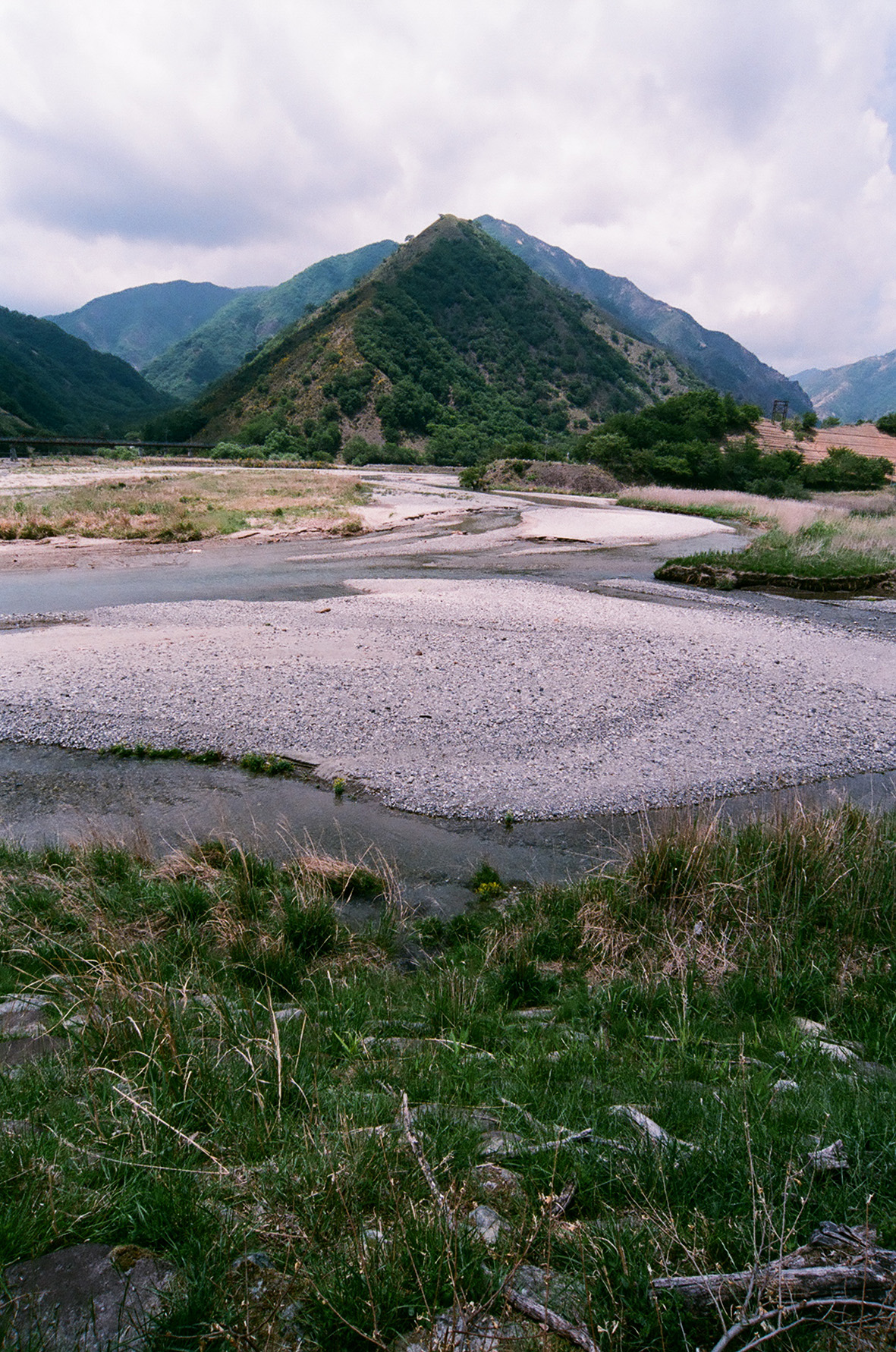
Ashio Copper Mine, active from 1610 to 1973, features a preserved underground world with exactly 460 meters of dark tunnels open to visitors, alongside massive, decaying industrial refinery structures that tower over the scenic Watarase River. Once producing a quarter of Japan's copper, this massive site now stands as a quiet, rusting monument. Ride the small toy-like train deep into the chilly tunnels where animatronic miners recreate the grueling work. Outside, the skeletal remains of the refinery tower over the valley.
Sado Gold Mine — Ancient Shogunate Treasure Ruins
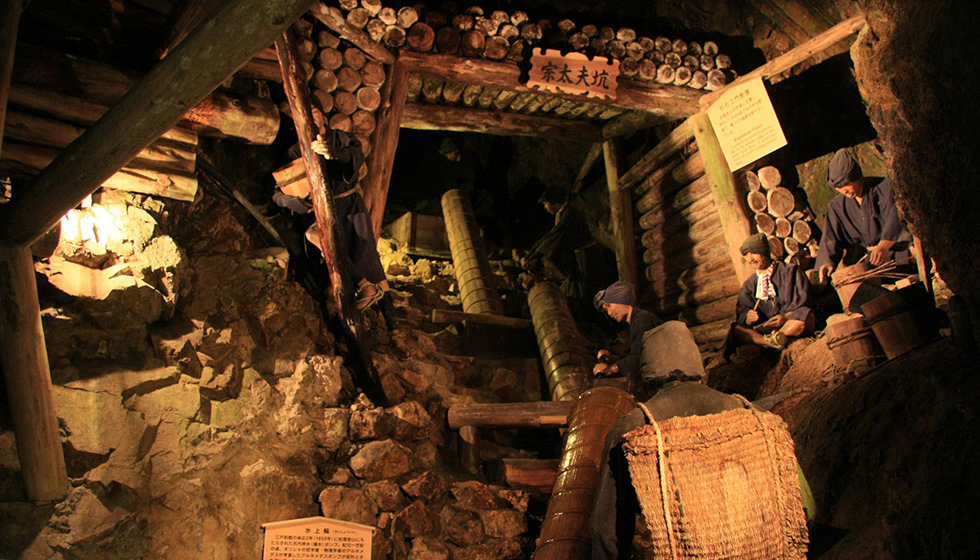
Sado Gold Mine was once Japan's largest gold mine, operating continuously from 1601 to 1989, leaving behind a massive mountain cleanly split in half by manual labor and the colossal, ivy-covered Kitazawa Flotation Plant ruins. The standout sight is the Kitazawa Flotation Plant, a concrete behemoth completely smothered in ivy that resembles a Roman amphitheater. At night, subtle floodlights illuminate the ruins, making the decaying concrete glow with an otherworldly, ancient majesty.
Yakushima Forest Railway — Moss-Covered Tracks of the Deep Forest
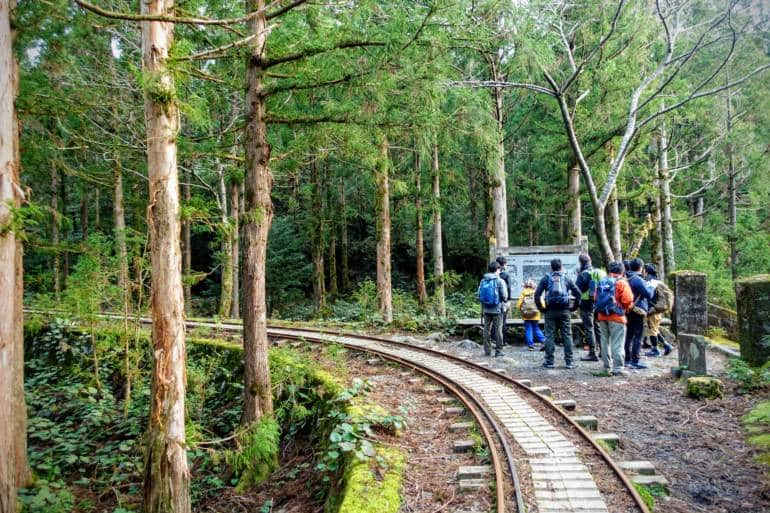
The historic Anbo Forest Railway on Yakushima Island is a semi-abandoned, 100-year-old logging railway built in 1923 that still winds silently through ancient, moss-draped cedar forests and under towering trees that are over 1,000 years old. Hikers can walk directly along the rustic wooden sleeper tracks as they snake through the misty, primeval forest. It is the ultimate fusion of decaying human infrastructure and unstoppable nature, famously inspiring the lush backdrops of Studio Ghibli's Princess Mononoke.
Matsuo Mine — The Ghostly Mist-Shrouded City in the Clouds
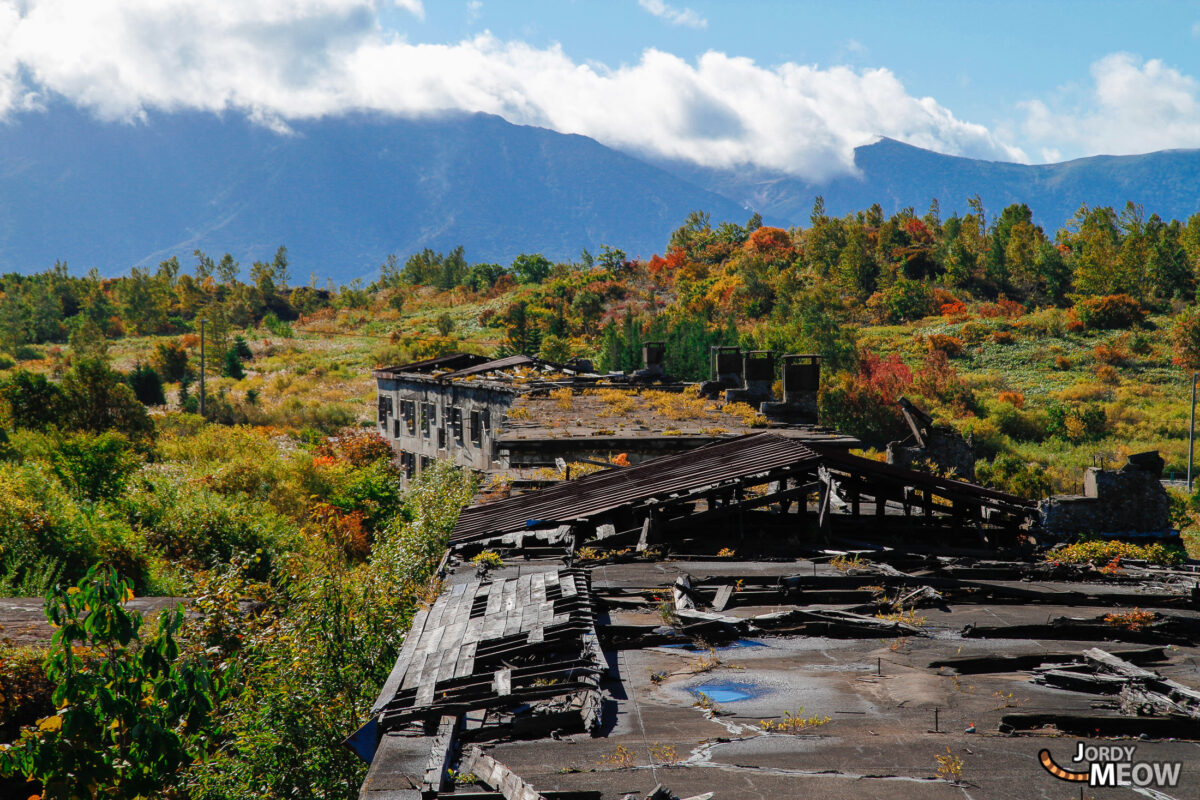
Matsuo Mine in Iwate Prefecture was once the largest sulfur mine in East Asia before its abandonment in 1969, leaving behind 11 massive, decaying concrete apartment blocks that once housed over 15,000 residents high in the mountains. Rising out of the mountain fog like giant gray tombstones, these decaying apartment complexes are incredibly atmospheric. While you cannot enter the unstable structures for safety reasons, viewing them from the adjacent road offers an unmatched, eerie look at Japan's high-altitude ghost towns.
Discover Tokyo's Hidden History with Wabisabi
Ready to explore the side of Japan most tourists miss? Join our expert local guides to uncover secret alleyways, historic shrines, and hidden relics of Tokyo's past.
Book this tour →