
December in Kyoto splits in two. The first ten days keep autumn momiji foliage in sheltered temple grounds. The second half shifts into purification rituals, steaming cauldrons of simmered radish, and massive year-end antique fairs. Navigated properly, Kyoto in December 2026 offers rare seasonal quiet without November's suffocating crowds.
1. Kyoto Basin Weather — Layering for the 5°C Sokobie Chill
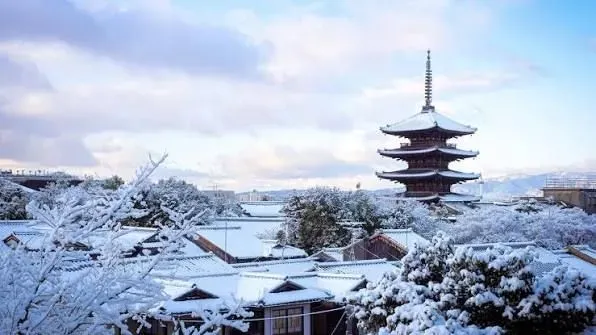
Kyoto sits in a flat mountain basin that locks in cold air, generating a piercing, ground-level chill called sokobie. Daytime highs hover around 11°C to 12°C in early December, but plunge to lows of 2°C to 4°C late in the month. Biting drafts seep straight through your shoes.
City center snow is rare in December; dustings fall reliably only on the northern hills of Kurama and Ohara. The real hazard is temple floors. You must remove shoes to enter main halls, walking directly on unheated 400-year-old timber and tatami. Pack thick wool socks, insulated slippers, pocket heat packs (kairo), and windproof outer layers.
2. Tofuku-ji & Shimogamo — Catching Lingering Momiji Foliage
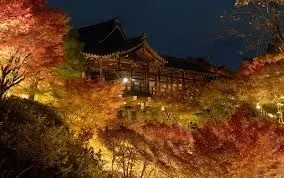
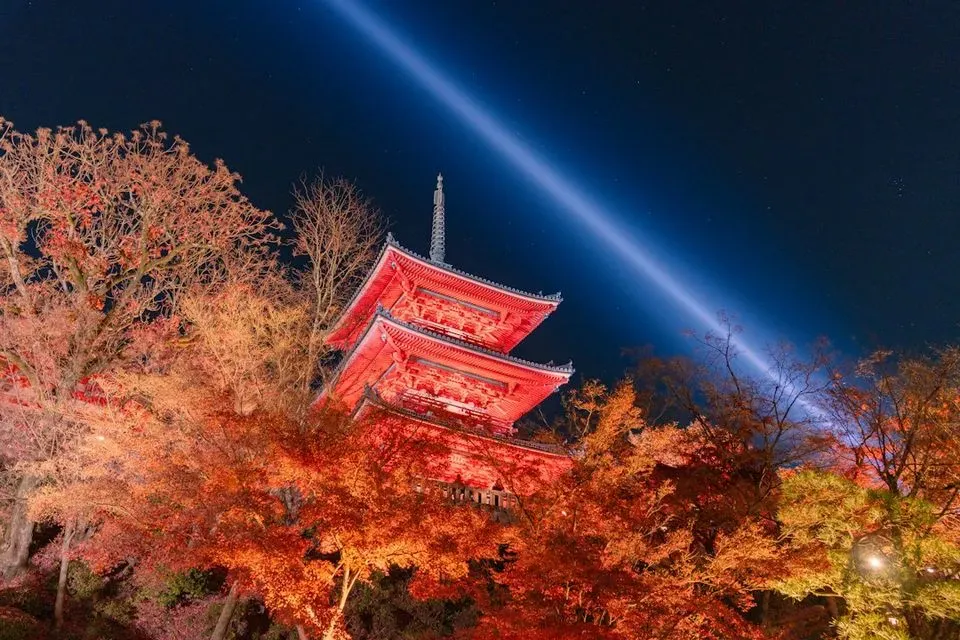
Arashiyama drops its maple canopy by late November, but Kyoto's southern and sunken microclimates retain crimson leaves through December 10. Tofuku-ji Temple is the prime spot: maples in the sunken Sengyokukan ravine stay shielded from frosty winds, holding deep reds on branches long after higher hilltops turn bare.
Shimogamo Shrine's Tadasu no Mori forest offers a dependable late-season walk. This primeval woodland of broadleaf trees and wild momiji turns golden amber into mid-December. Admission to the path is free, and crowds drop by 70% compared to November. To trace a route through these quieter districts, the Kyoto Walking Tour covers seasonal highlights without gridlock.
3. Minamiza Theatre — Kaomise Grand Kabuki and the Maneki Boards
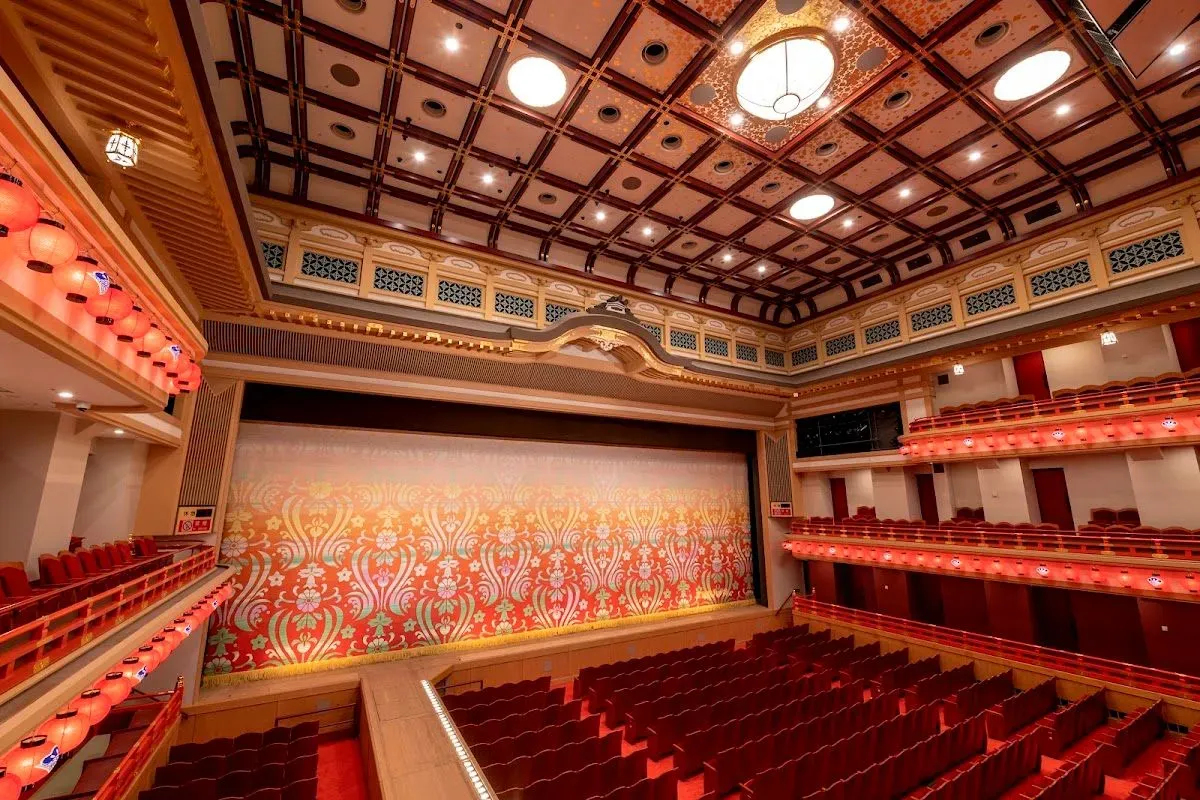
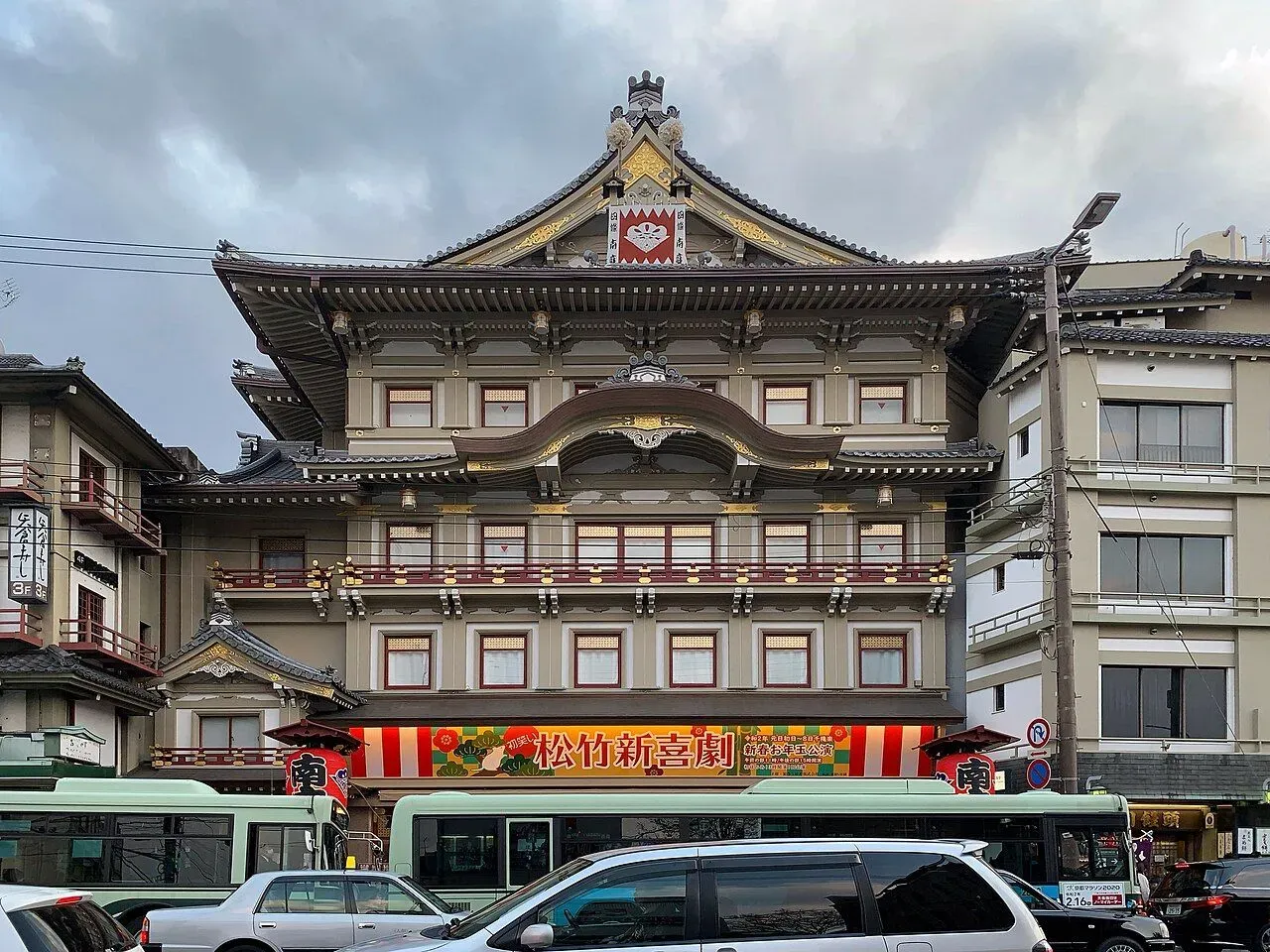
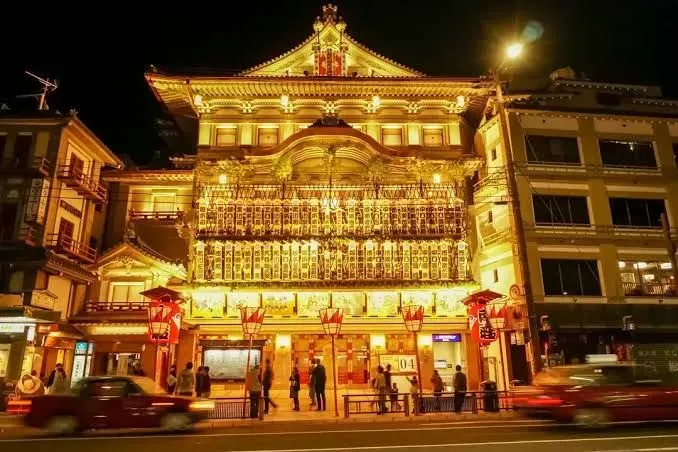
Kyoto's cultural signal for winter is Kaomise at Minamiza Theatre, running December 1 to 24, 2026. The facade along Shijo-dori displays cypress boards called maneki, brushed in bold Kantei-ryu script with the names of all performing master actors. It is the sole surviving Edo-era troupe presentation festival in Japan.
Full-program tickets run ¥6,000 to ¥28,000, and sessions last over four hours. For a shorter visit, buy single-act tickets (makimi-seki) on the fourth floor at the box office. These let you watch 60 to 90 minutes of kabuki for ¥1,500 to ¥2,500. English earphone guides are available for rent.
4. Senbon Shakado & Sanbonji — Daikon-daki Simmered Radish Rituals
On December 7 and 8, Daihoon-ji—better known as Senbon Shakado—hosts Daikon-daki to mark Shakyamuni Buddha's enlightenment. Monks simmer thousands of thick radish rounds in iron cauldrons a meter wide. Before boiling, the radishes are consecrated and inscribed with Sanskrit characters to protect eaters against winter illness and paralysis.
A steaming bowl of simmered radish and fried tofu costs ¥1,000, served on benches beside the National Treasure main hall from 10:00 to 16:00. Sanbonji (Sanpo-ji) temple in Ukyo Ward holds its radish boil earlier in December for roughly ¥700 to ¥800. Eating hot root vegetables in the stinging morning air is one of the city's sharpest folk traditions.
5. Nijo Castle & Temple Light-Ups — Winter Illumination Alternatives
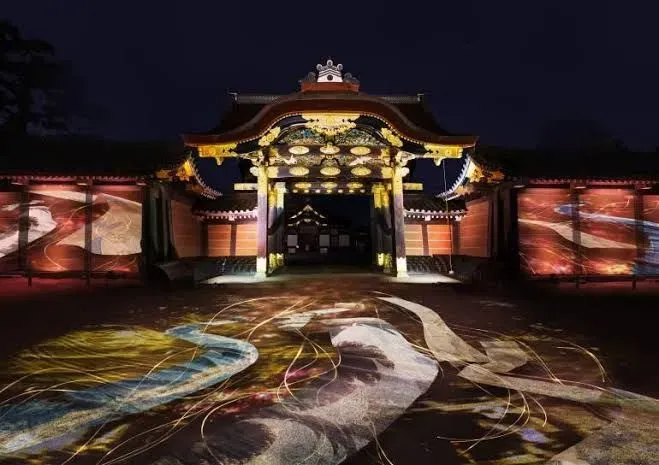
The Arashiyama Hanatouro lantern walk ended years ago; ignore outdated blogs sending you to bamboo groves after dark. Winter illuminations have shifted toward projection mapping at Nijo Castle and evening temple openings. The NAKED meets Nijo Castle showcase runs through early December, throwing digital light onto stone ramparts and the Ninomaru moat.
Standard evening admission for Nijo Castle's light-ups costs ¥1,600 to ¥2,400 depending on advance booking. Sub-temples like Konkai Komyoji and Unryu-in occasionally illuminate dry gardens during early December. Check evening schedules ahead of time, and carry pocket warmers while queuing.
6. To-ji Temple — Shimai Kobo's Final Year-End Flea Market
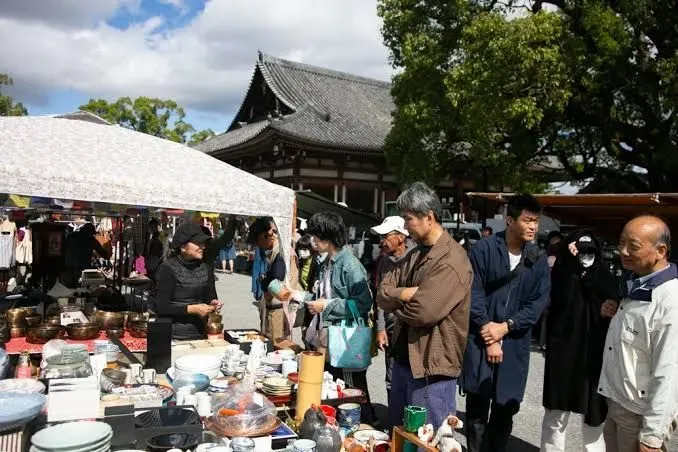
To-ji Temple hosts a monthly open-air bazaar on the 21st, but December 21 brings Shimai Kobo—the year's final Kobo. Over 1,000 vendors spread blue tarps across the grounds beneath the 54-meter wooden pagoda, starting at 7:00 AM. It draws roughly 200,000 visitors hunting for year-end bargains and vintage household wares.
Vendors sell antique ceramics, Edo-period woodblock prints, iron teapots, and bins of used silk kimono jackets (haori) for ¥1,000 to ¥3,000. December stalls also sell handwoven shimekazari straw wreaths and kadomatsu pine boughs for New Year doorways. Bring cash in ¥1,000 notes; stalls do not take cards.
7. Kitano Tenmangu — Shimai Tenjin Market on Christmas Day
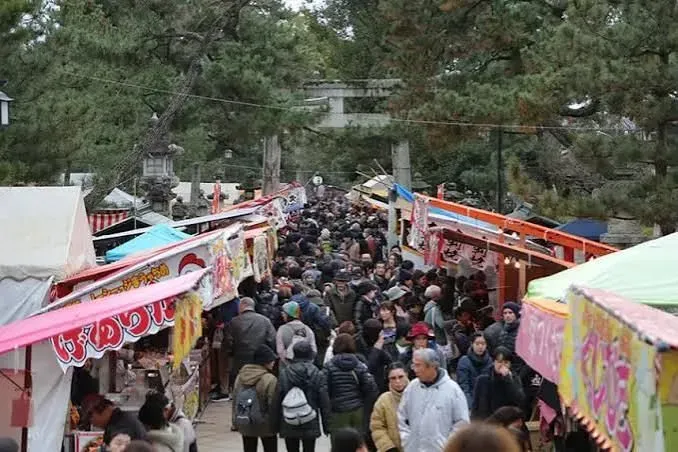
Four days after To-ji, Kitano Tenmangu Shrine hosts Shimai Tenjin on December 25. Christmas Day is a normal workday in Japan. The shrine approaches fill with roughly 1,000 stalls selling antiques, plants, vintage brass tools, and hot food from 6:00 AM until sunset.
Locals visit Shimai Tenjin to buy sacred New Year talismans, particularly ofuku-ume (sun-dried medicinal plums harvested from shrine orchards and blessed by priests). Eat skewered yakitori or takoyaki from perimeter stalls, then walk the stone approach lined with lanterns and bronze bulls. Entry is free.
8. Gion Hanamachi — Kotohajime Geiko and Maiko Greetings
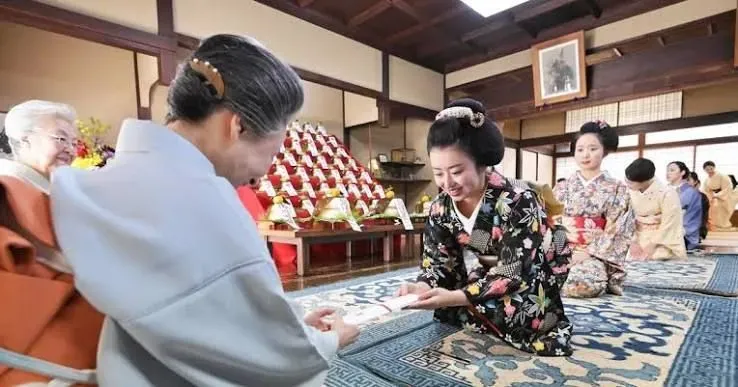
December 13 marks Kotohajime, the start of New Year preparations in Kyoto's geisha districts. Geiko and maiko from Gion Kobu, Pontocho, and Miyagawacho wear formal black montsuki kimonos and walk paved lanes to greet dance teachers and teahouse proprietors. They carry wooden boxes of round kagami mochi rice cakes to offer thanks for the year's patronage.
This is a working day for the hanamachi, not a public parade. Photographers crowd Hanami-koji, but etiquette requires hanging back, clearing doorways, and never blocking working artists. For context on these historic streets, the Private Kyoto Introduction Tour — Gion & Historic Streets provides local guidance.
9. Chion-in & Kurodani — Joya no Kane Midnight Bell Strikes
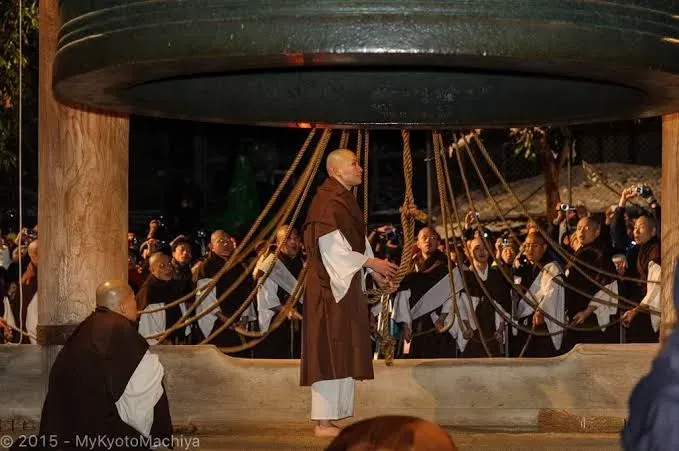
On New Year's Eve, Buddhist temples strike their bells 108 times during Joya no Kane, purging the 108 earthly desires (bonno) before the new year starts. Chion-in Temple features the most theatrical tolling: its 70-ton bronze bell requires 17 monks pulling hemp ropes in tandem to swing the wooden log.
Chion-in gates open around 20:00, with security lines forming down Higashiyama by 19:00. To avoid four hours in freezing damp, go to Kurodani Konkai Komyoji or Hyakumanben Chion-ji instead. At these neighborhood temples, visitors can pull the striker themselves, ring the bell, and drink hot, sweet amazake before midnight.
10. Nishiki Market & Downtown Kyoto — Year-End Shutdown Logistics
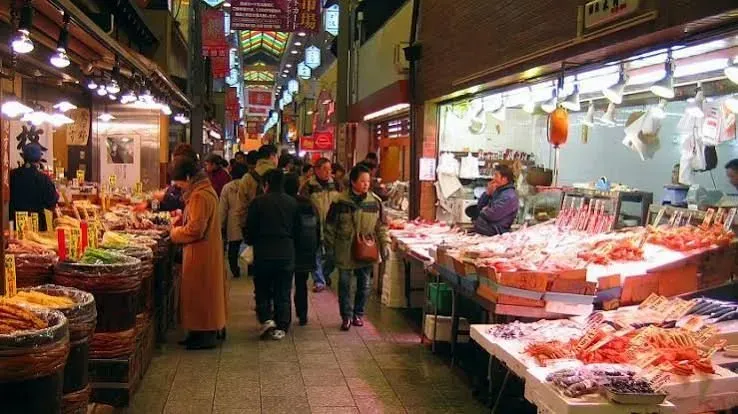
Between December 29 and December 31, daily rhythms shift. Nishiki Market becomes an impassable corridor of locals buying black soybeans (kuromame), herring roe (kazunoko), and mochi for osechi-ryori New Year feasts. Leave rolling luggage behind; traversing the five narrow blocks takes 45 minutes of shuffling.
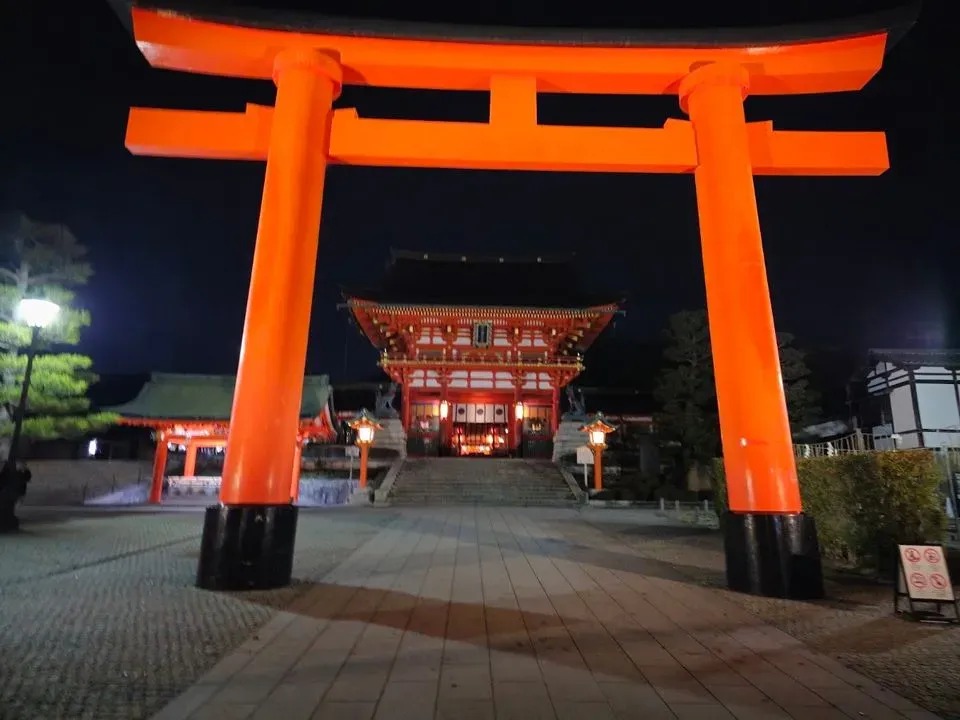
Museums, banks, government offices, and specialty shops shut from December 29 or 30 through January 3. Takashimaya and Daimaru department stores close early at 18:00 on December 31. Major shrines—including Fushimi Inari, Yasaka, and Heian Jingu—remain open 24 hours on New Year's Eve for hatsumode, with street food stalls operating through the night.
Experience Winter Kyoto with Wabisabi
Explore quiet stone alleys, historic merchant quarters, and authentic winter food traditions alongside expert local guides who understand Kyoto beyond the tourist trail.
Book this tour →